 MoodRoom
Portfolio
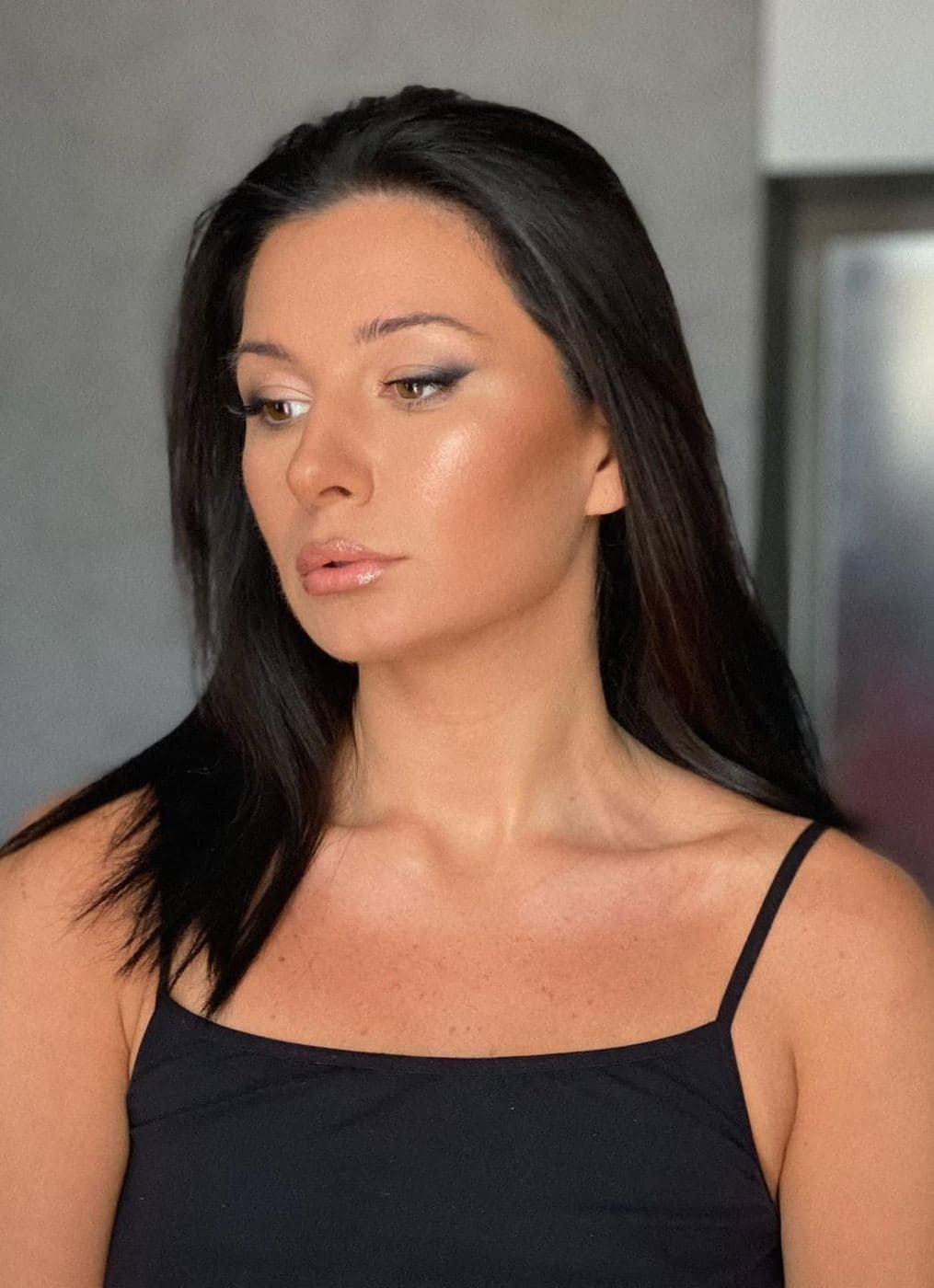
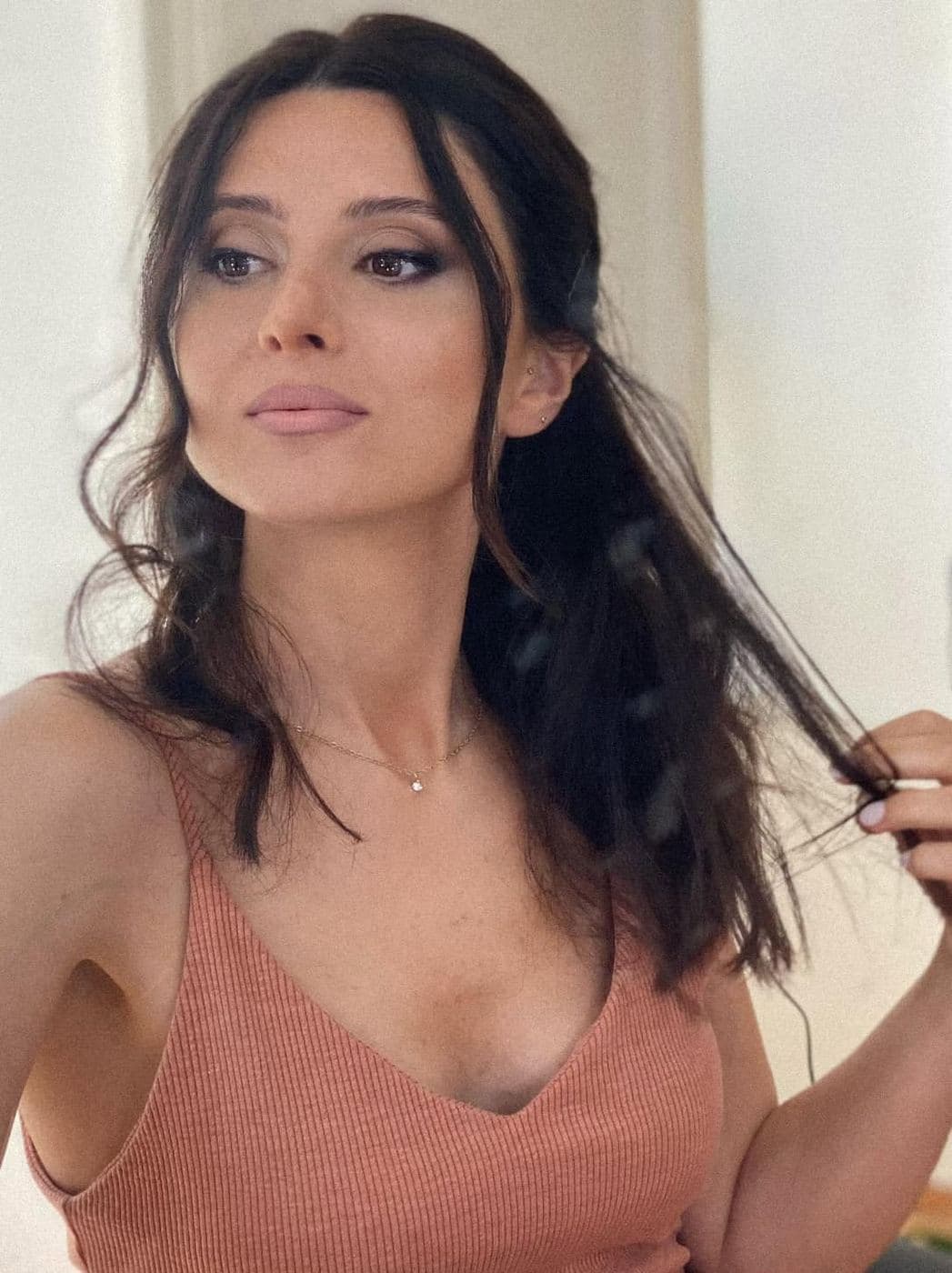
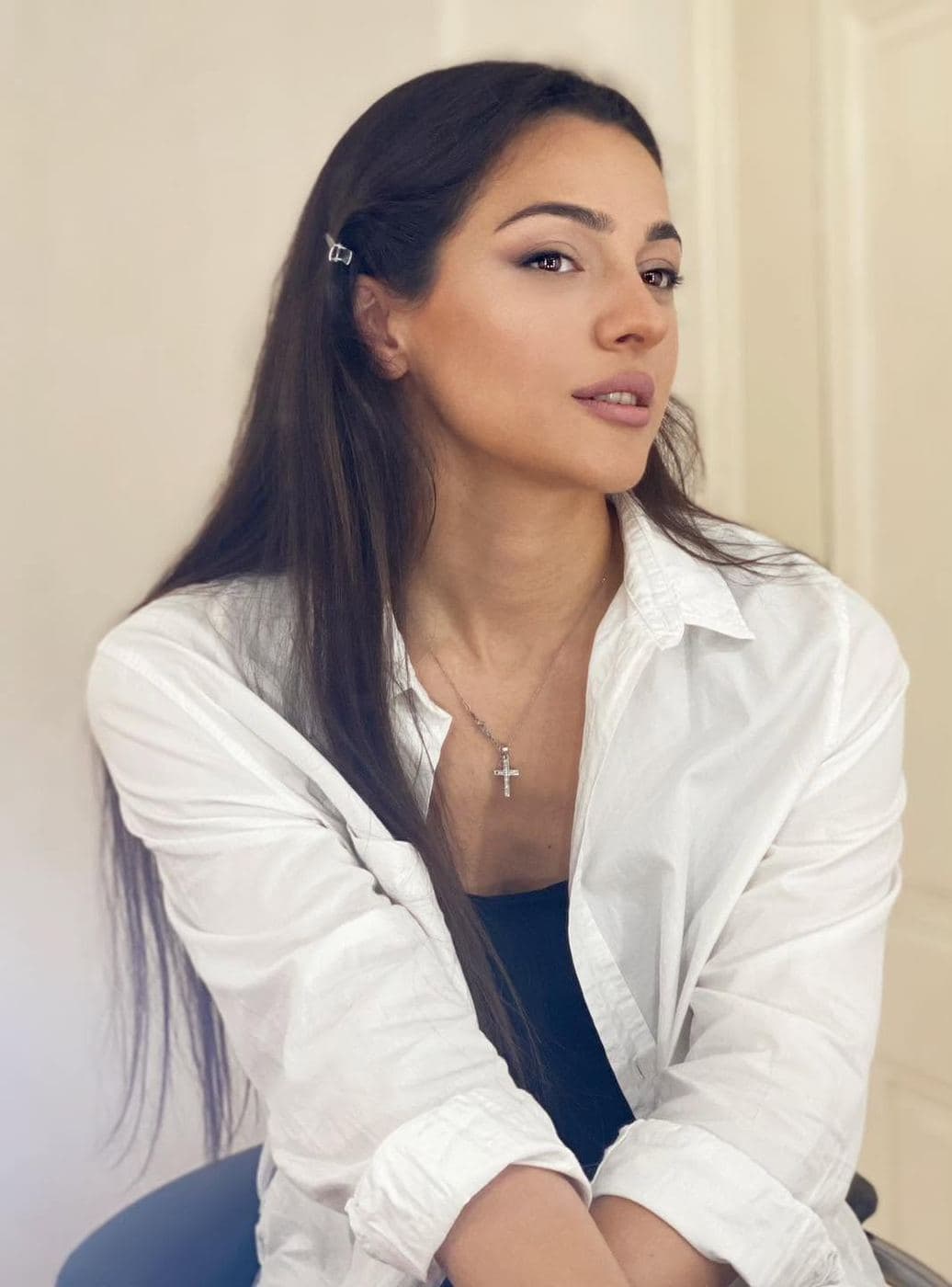
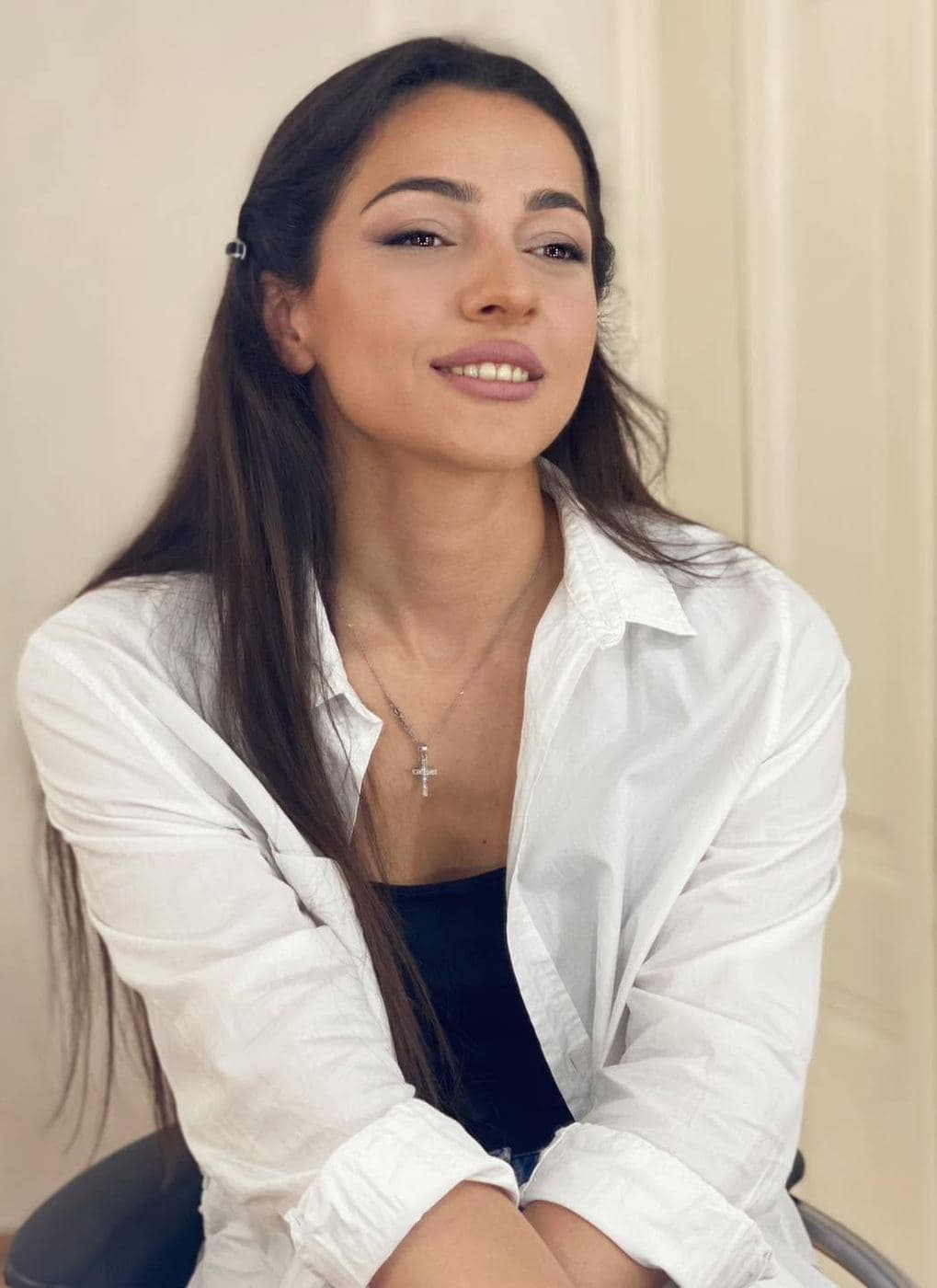
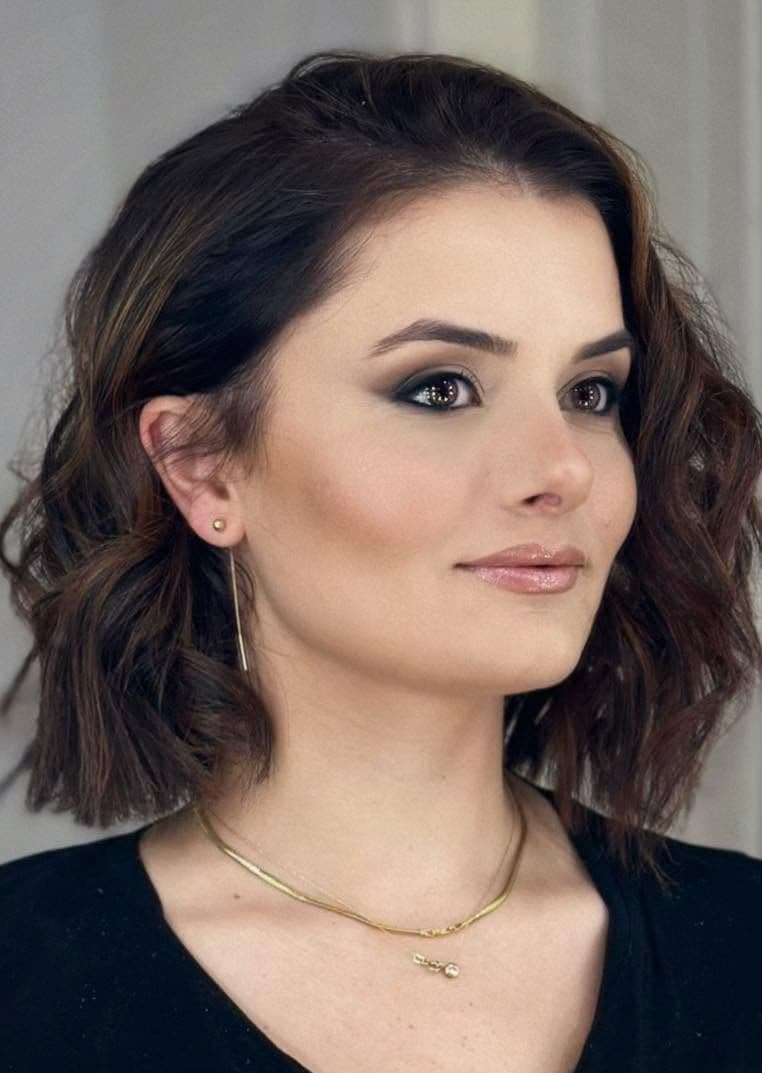
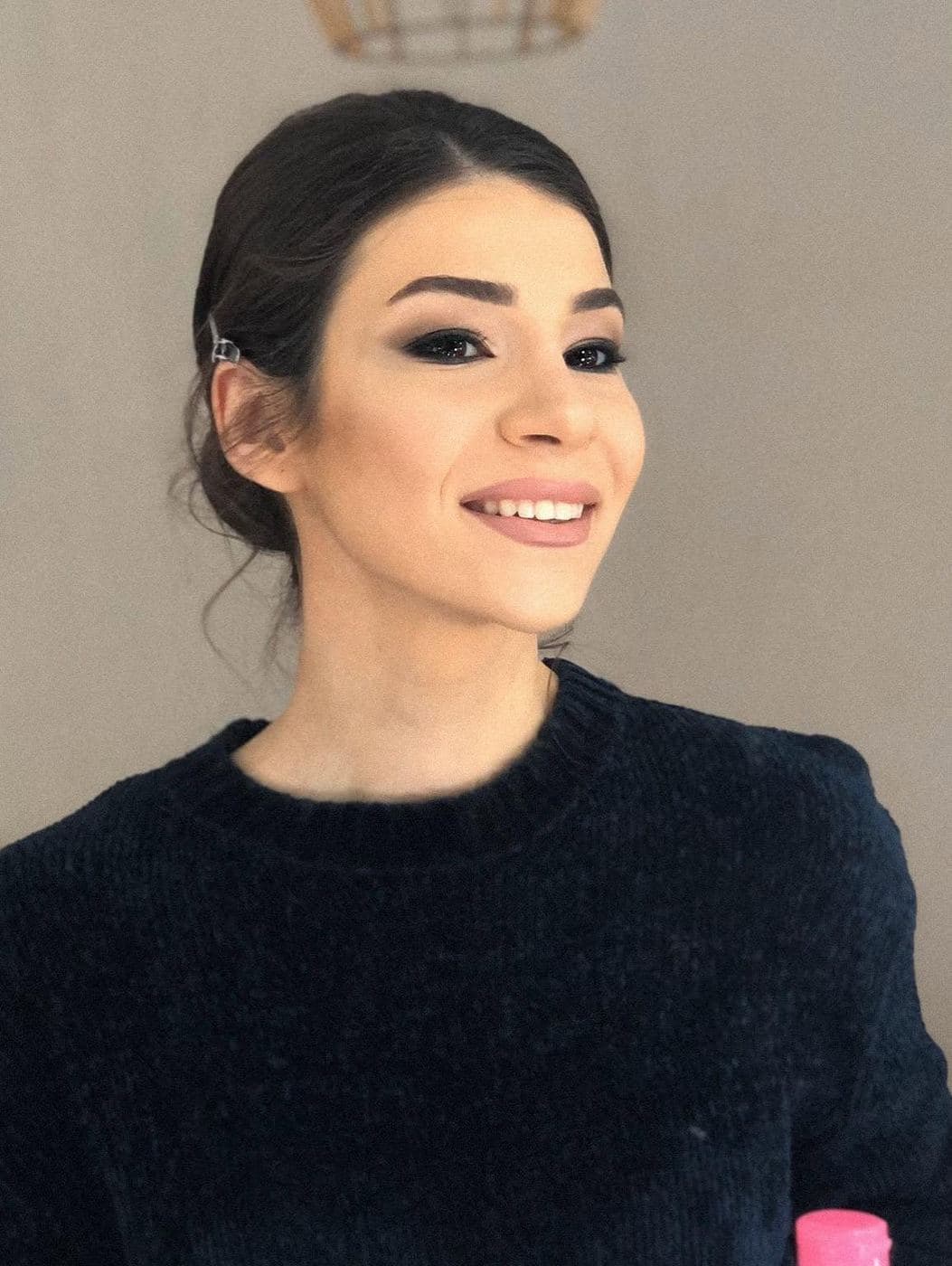
The work here is grouped by occasion rather than by date, because what you need is not what we did last Thursday. What you need is how bridal makeup looks on skin like yours, in light like the light you will be standing in.
MoodRoom founder — Makeup artist and instructor ·
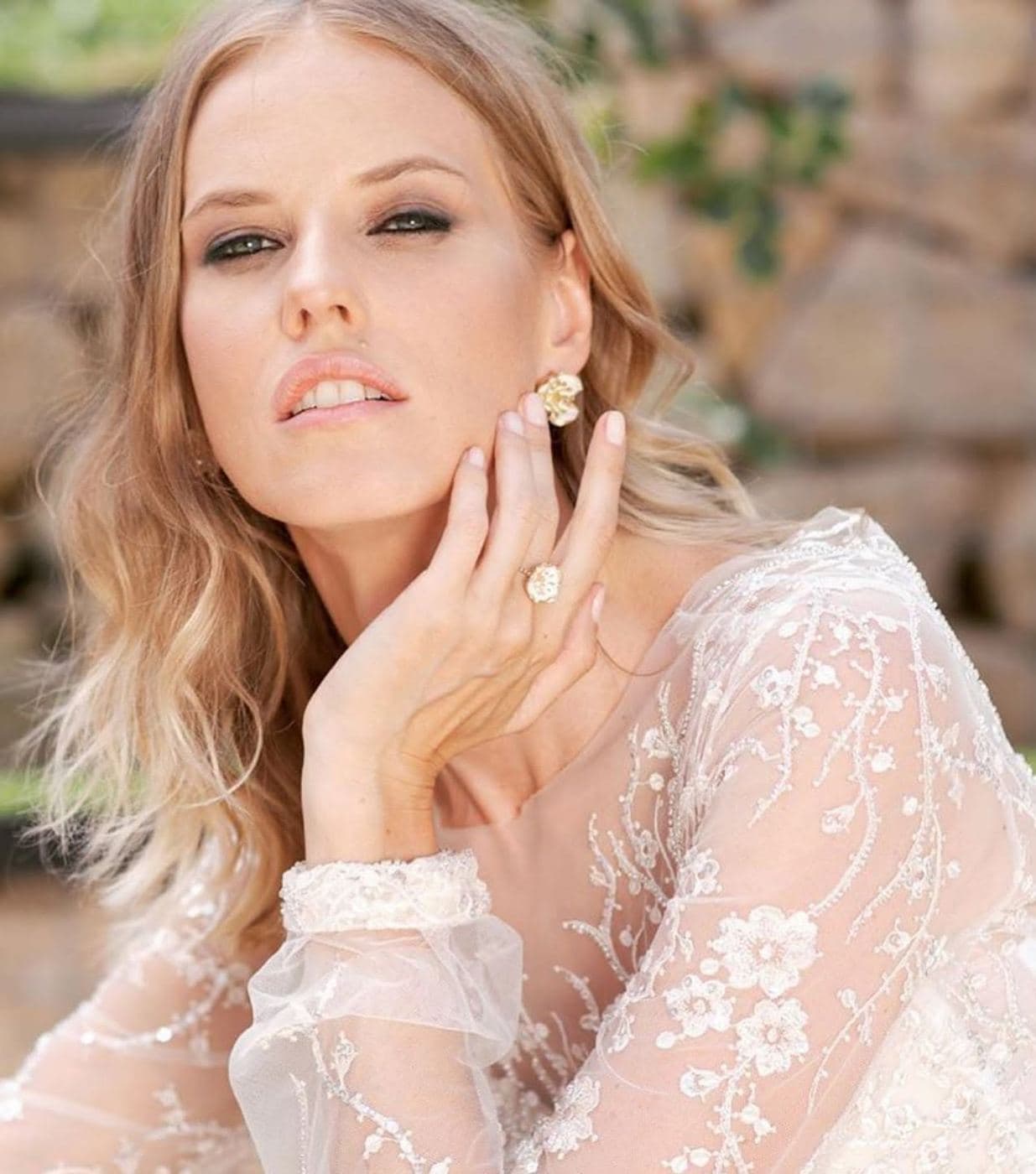
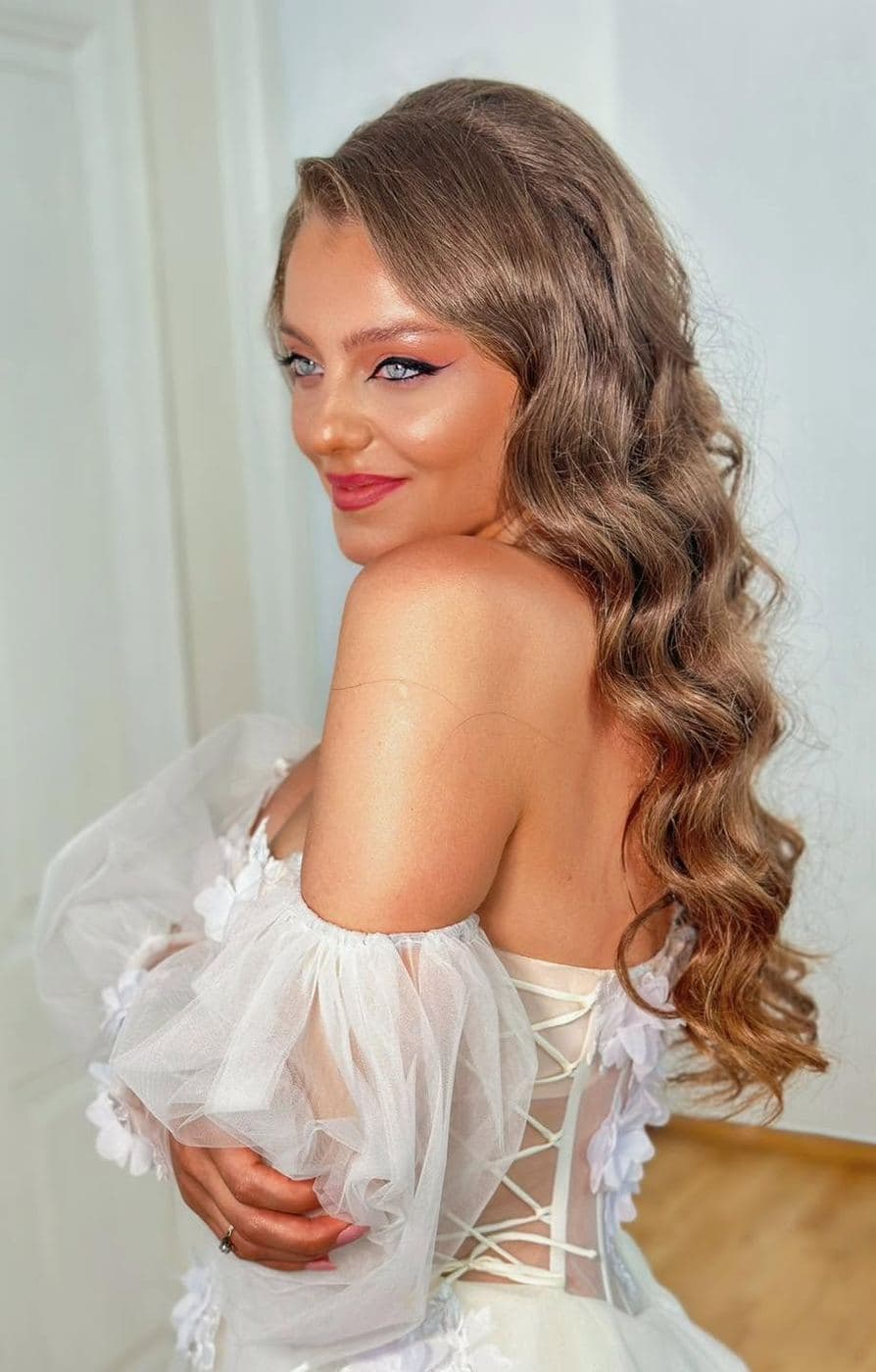
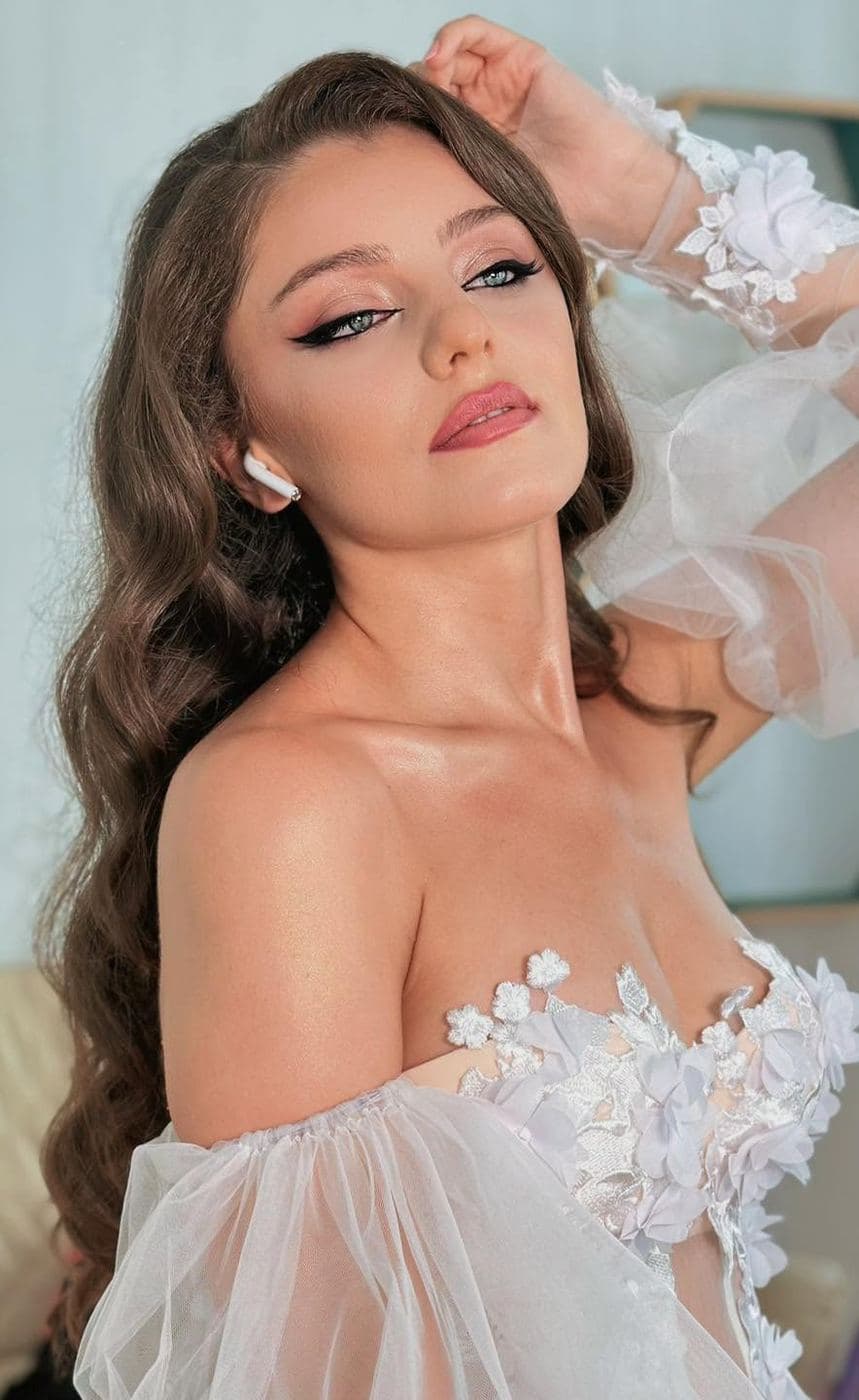
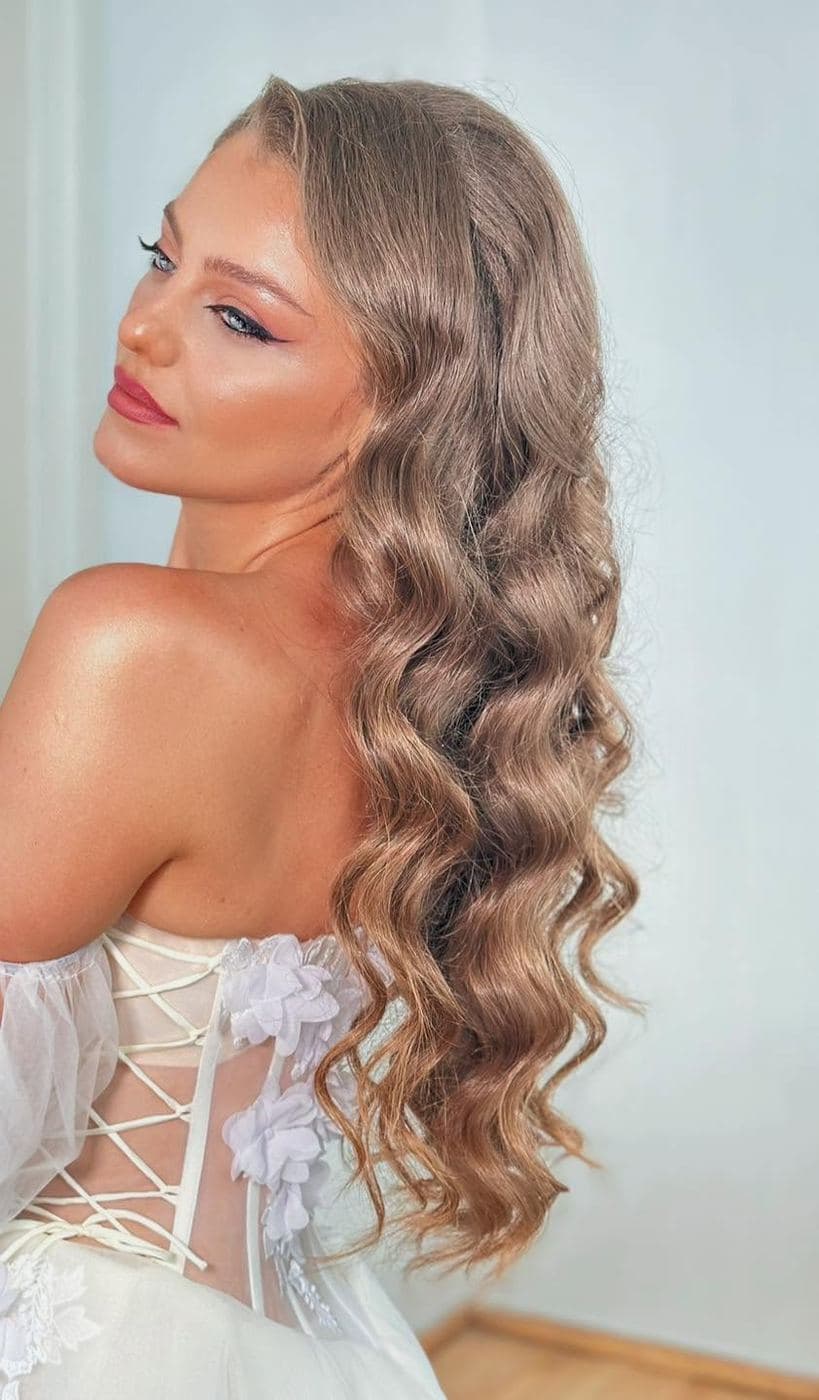
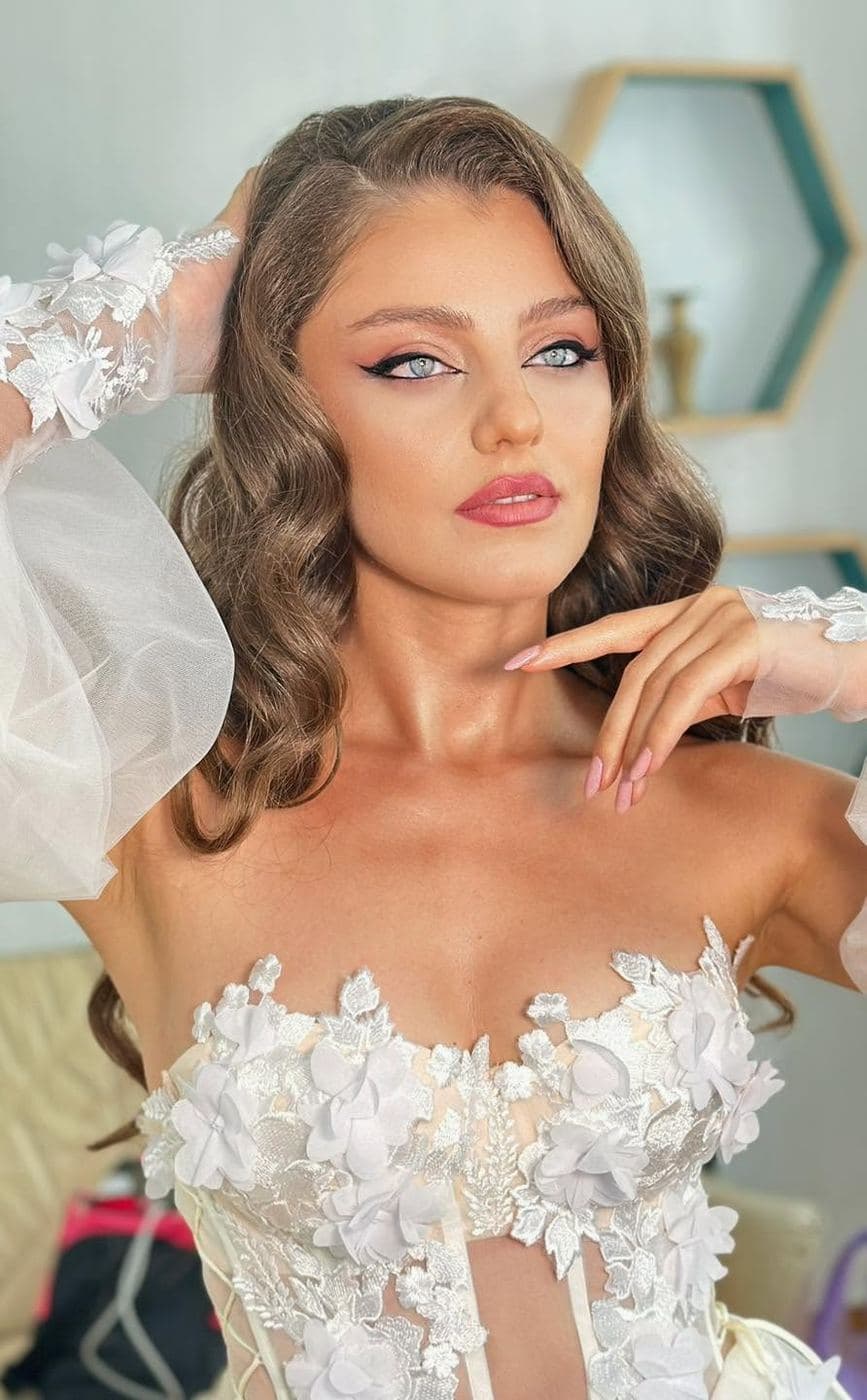
Bridal makeup
Booked with a trial, and built on the assumption the day runs twelve hours.
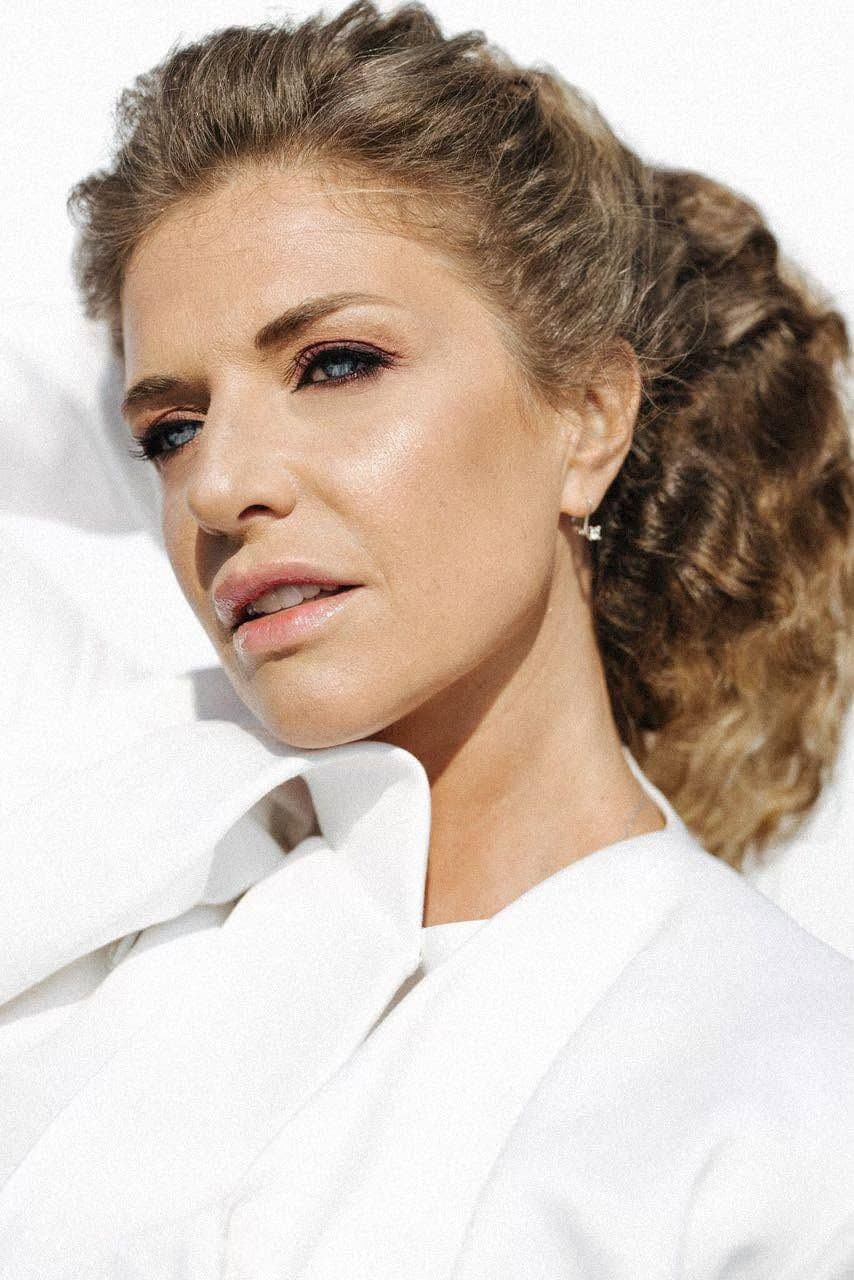
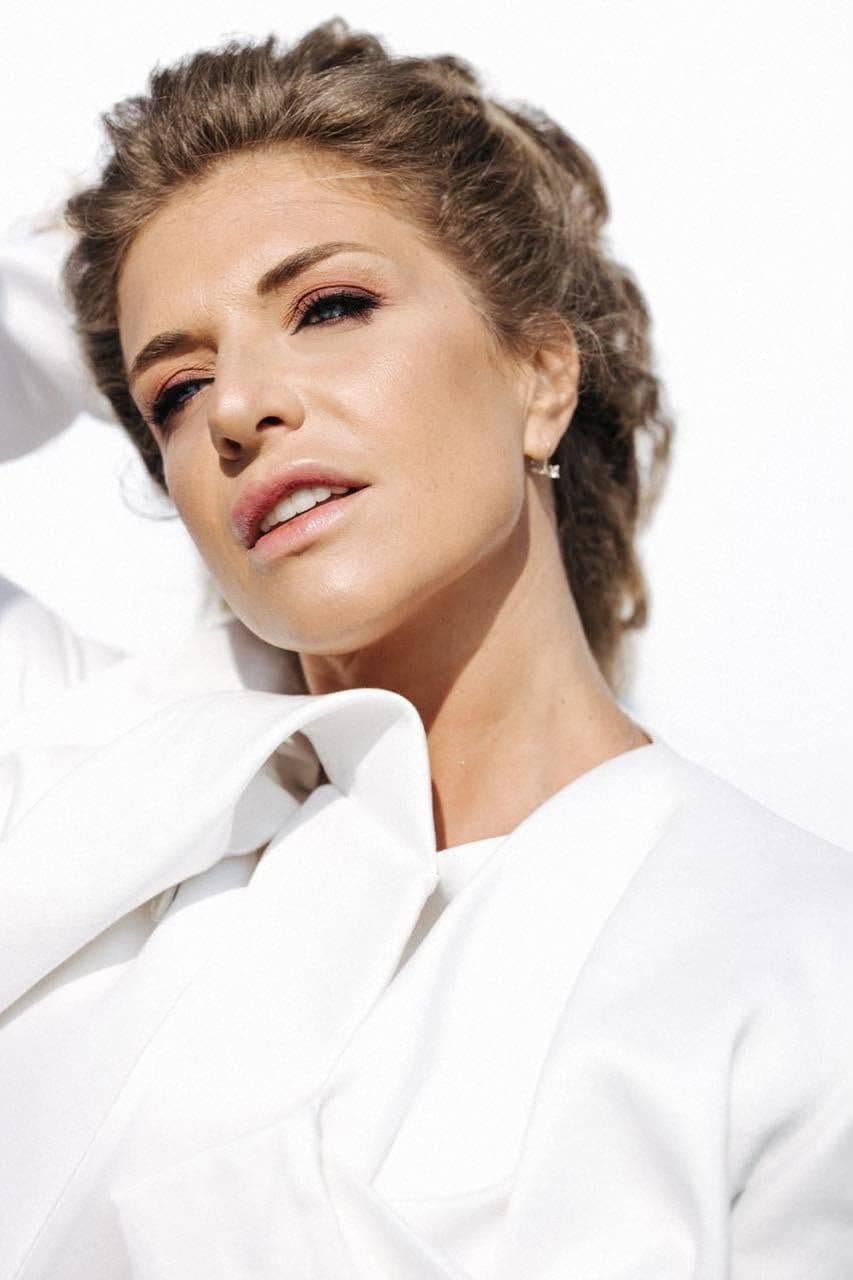
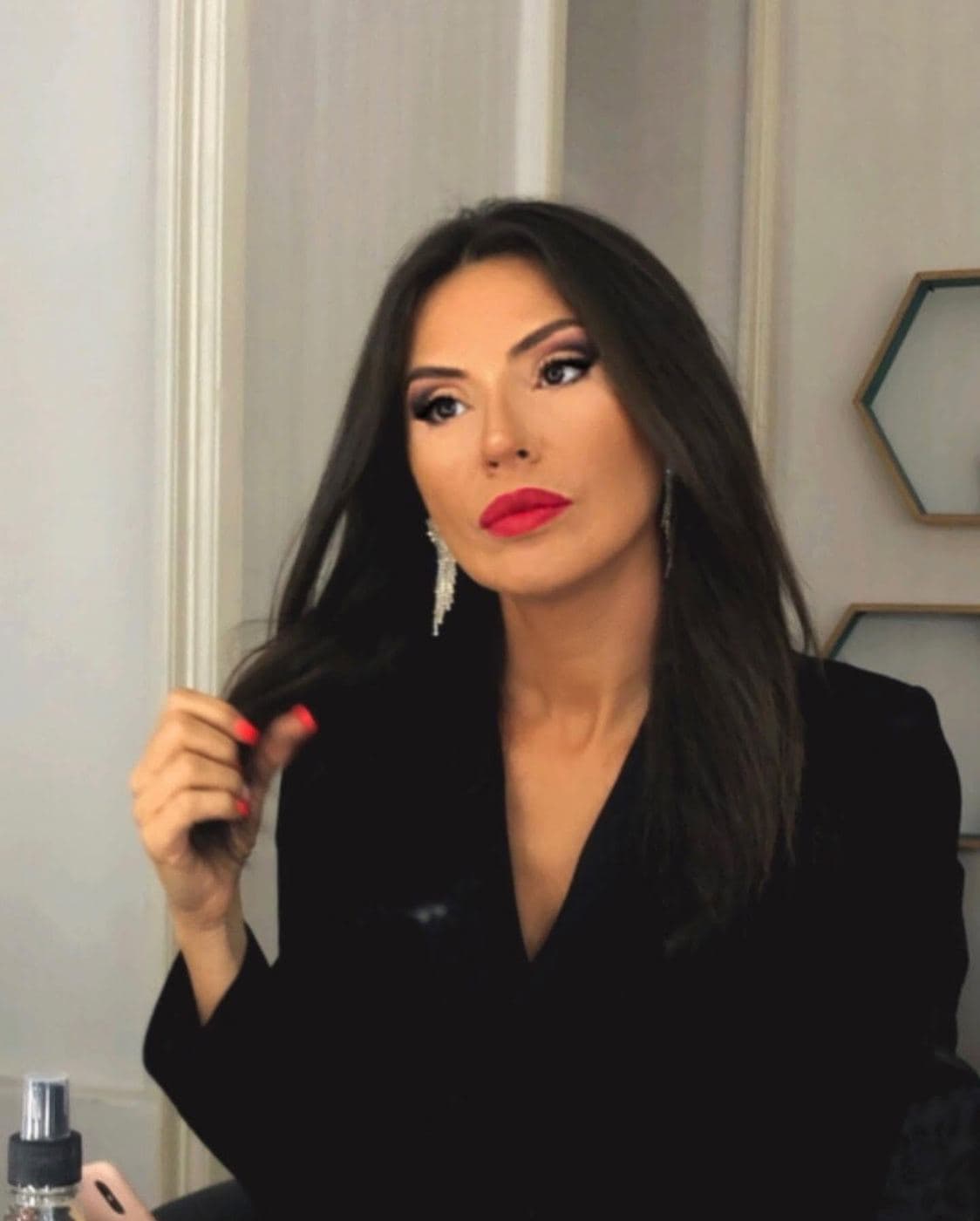
Evening makeup
Stronger in person than it looks here — evening light eats intensity.
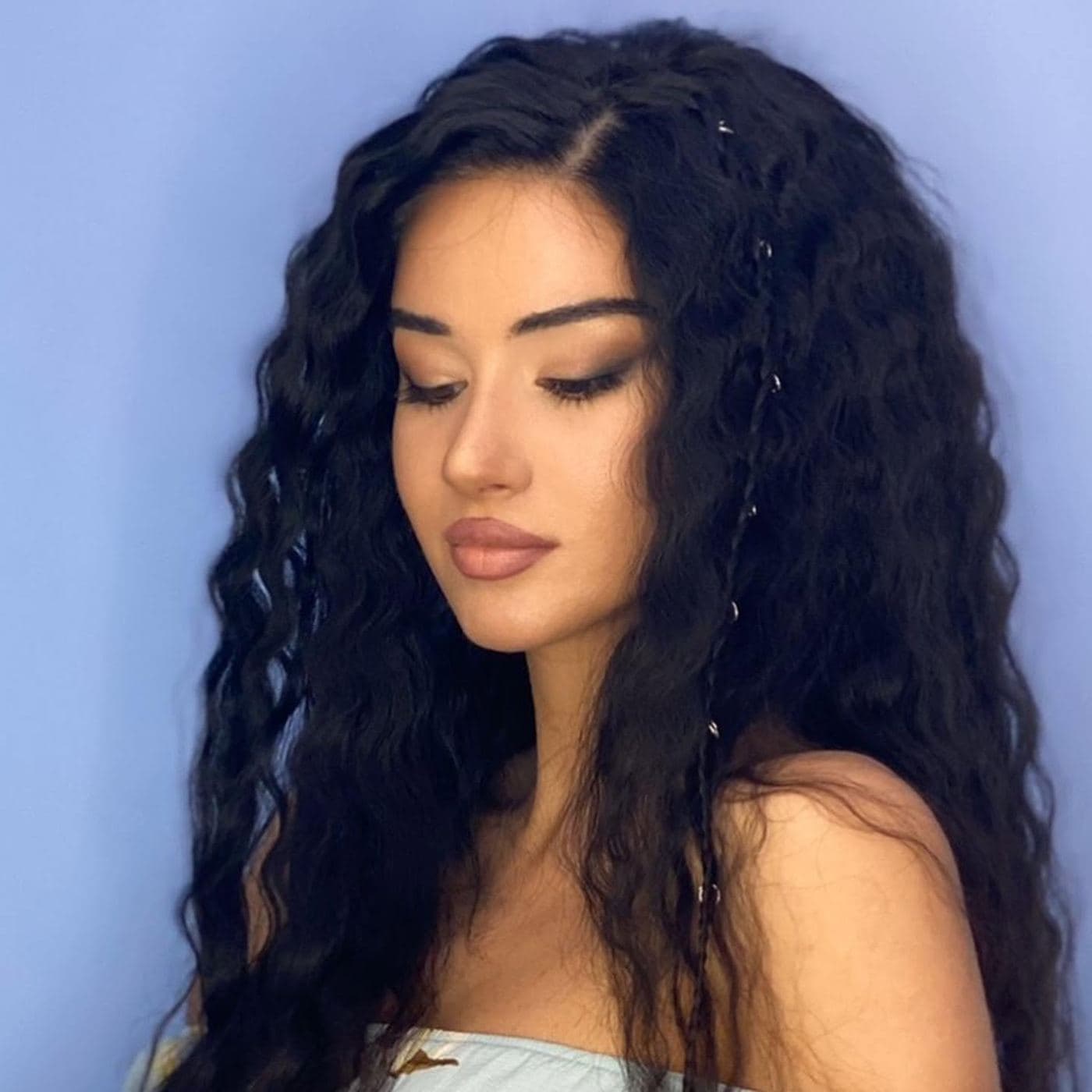
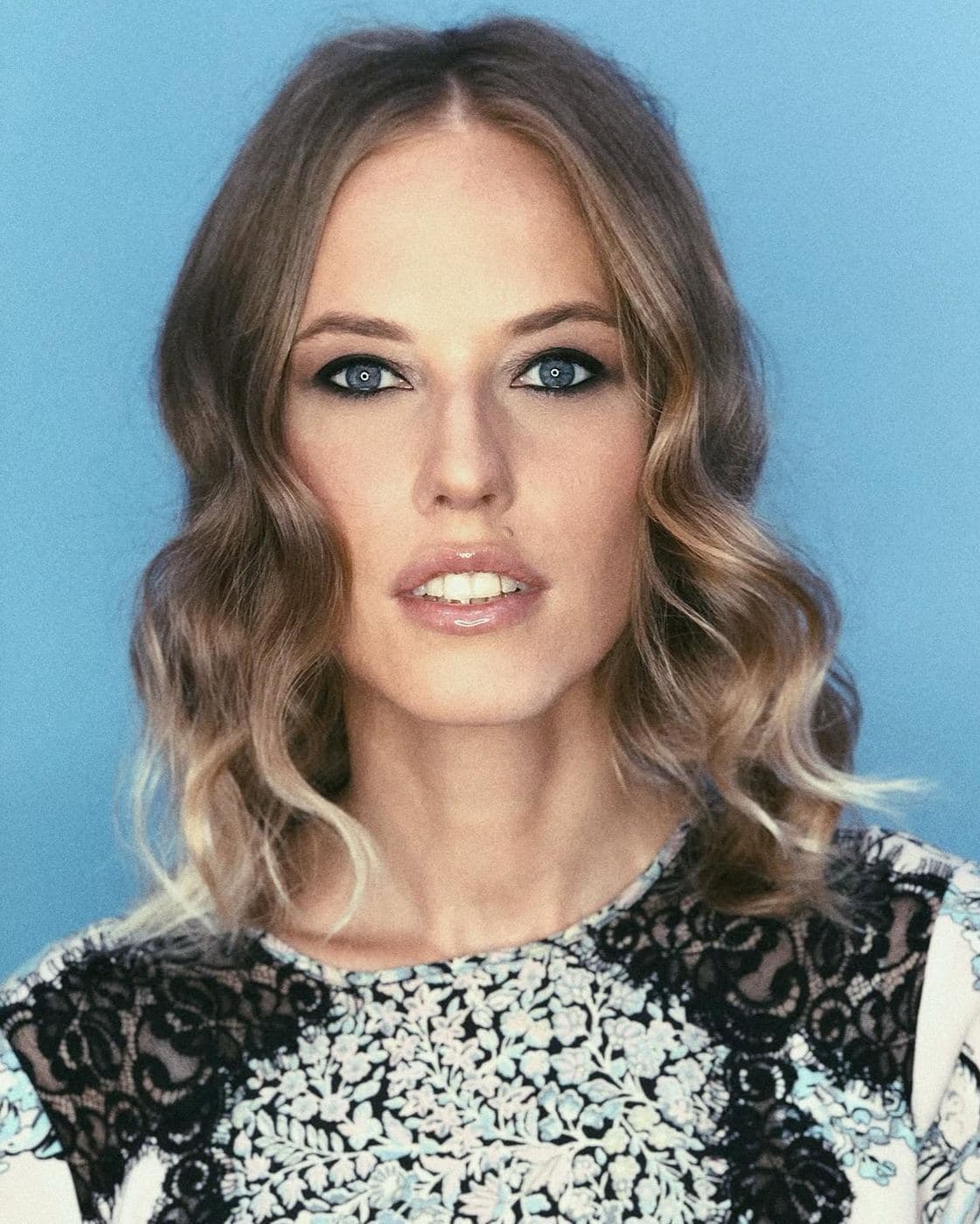
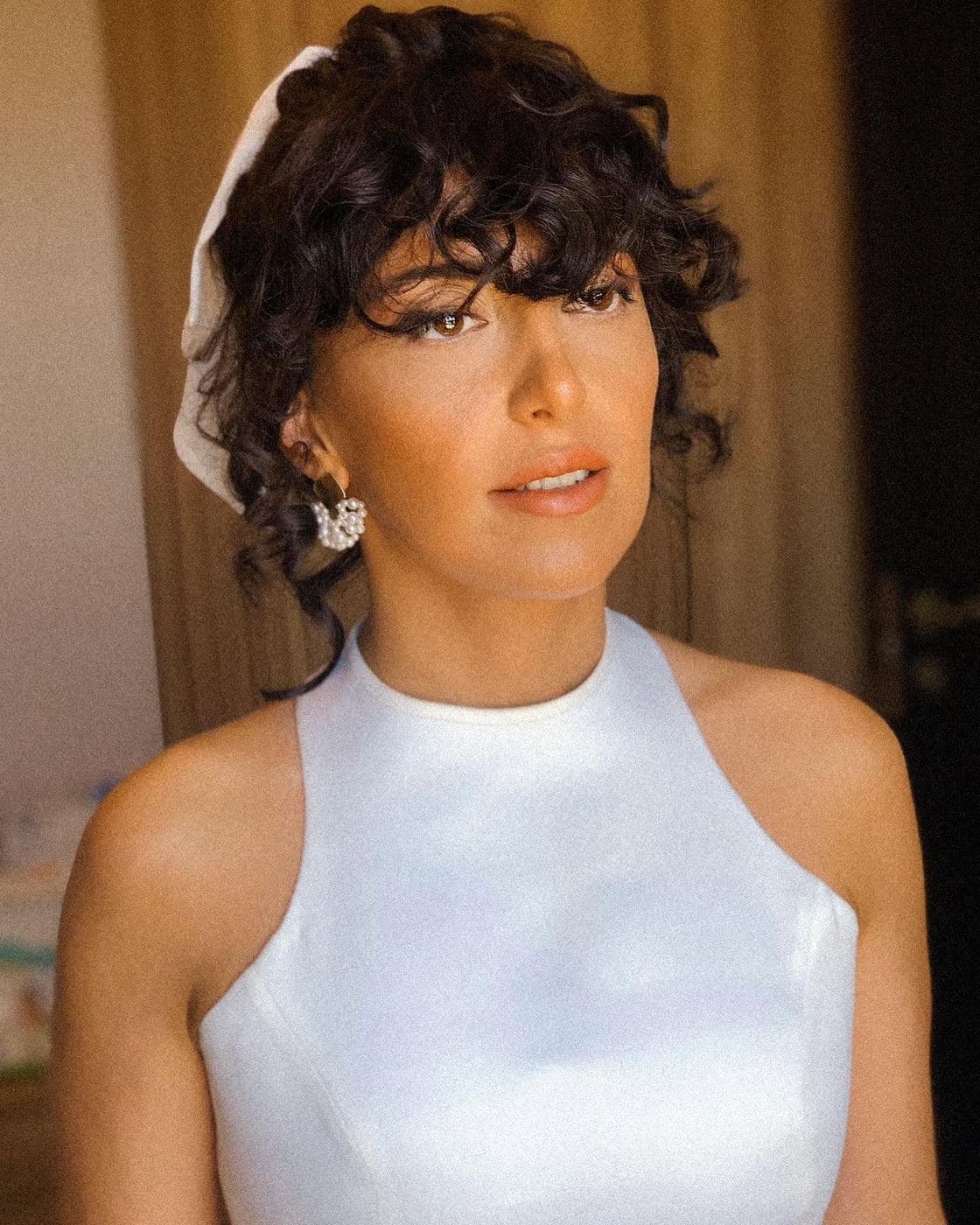

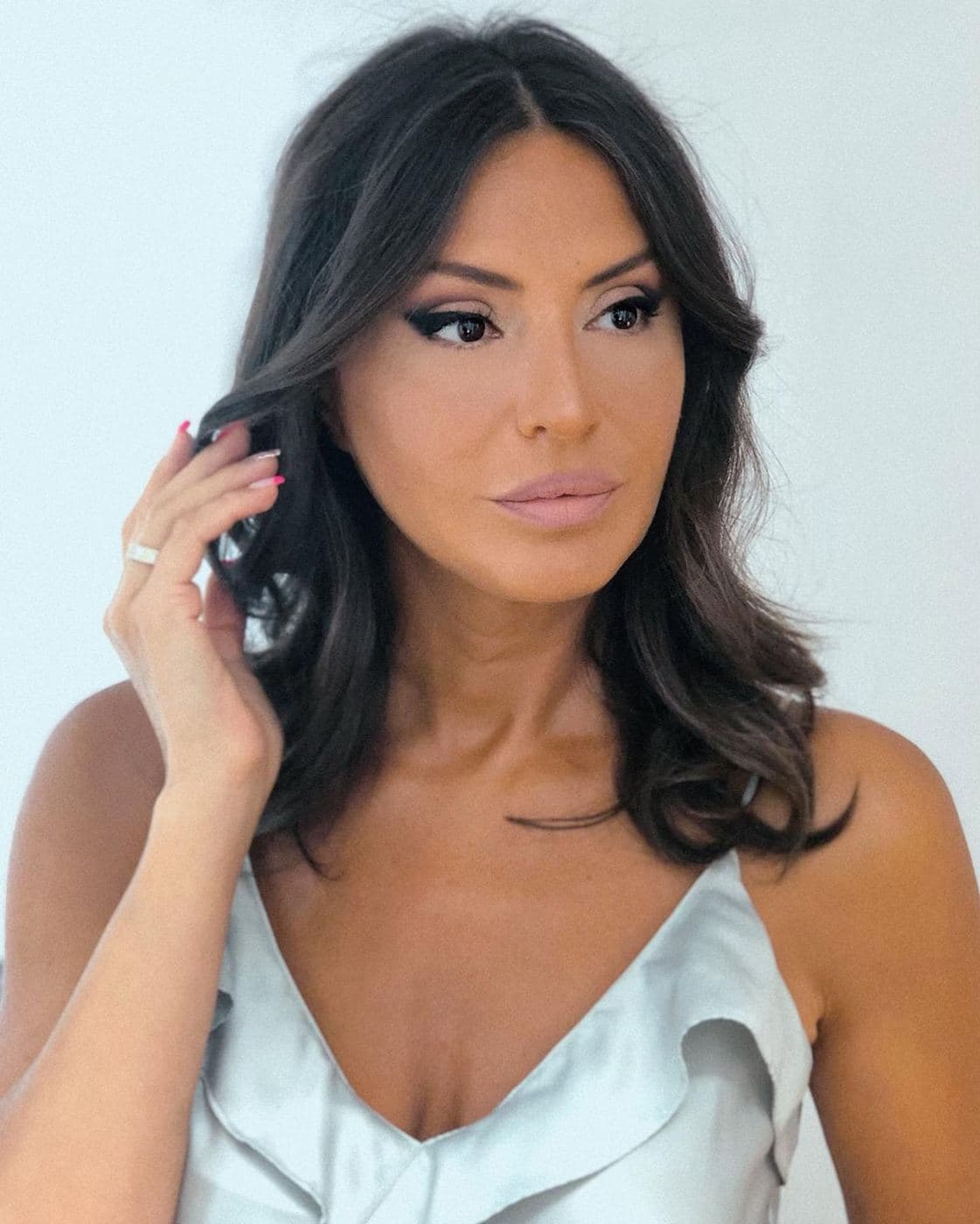
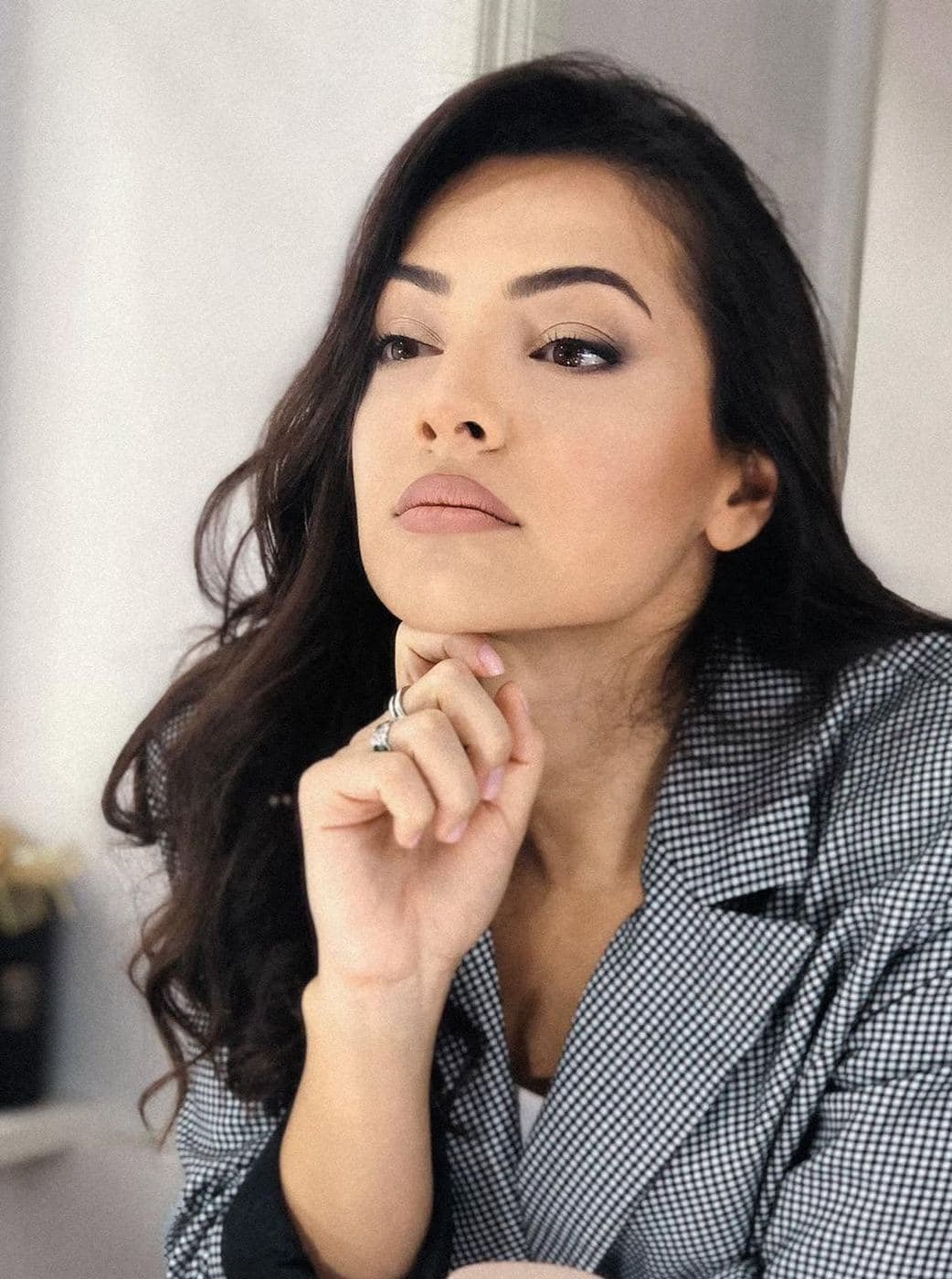
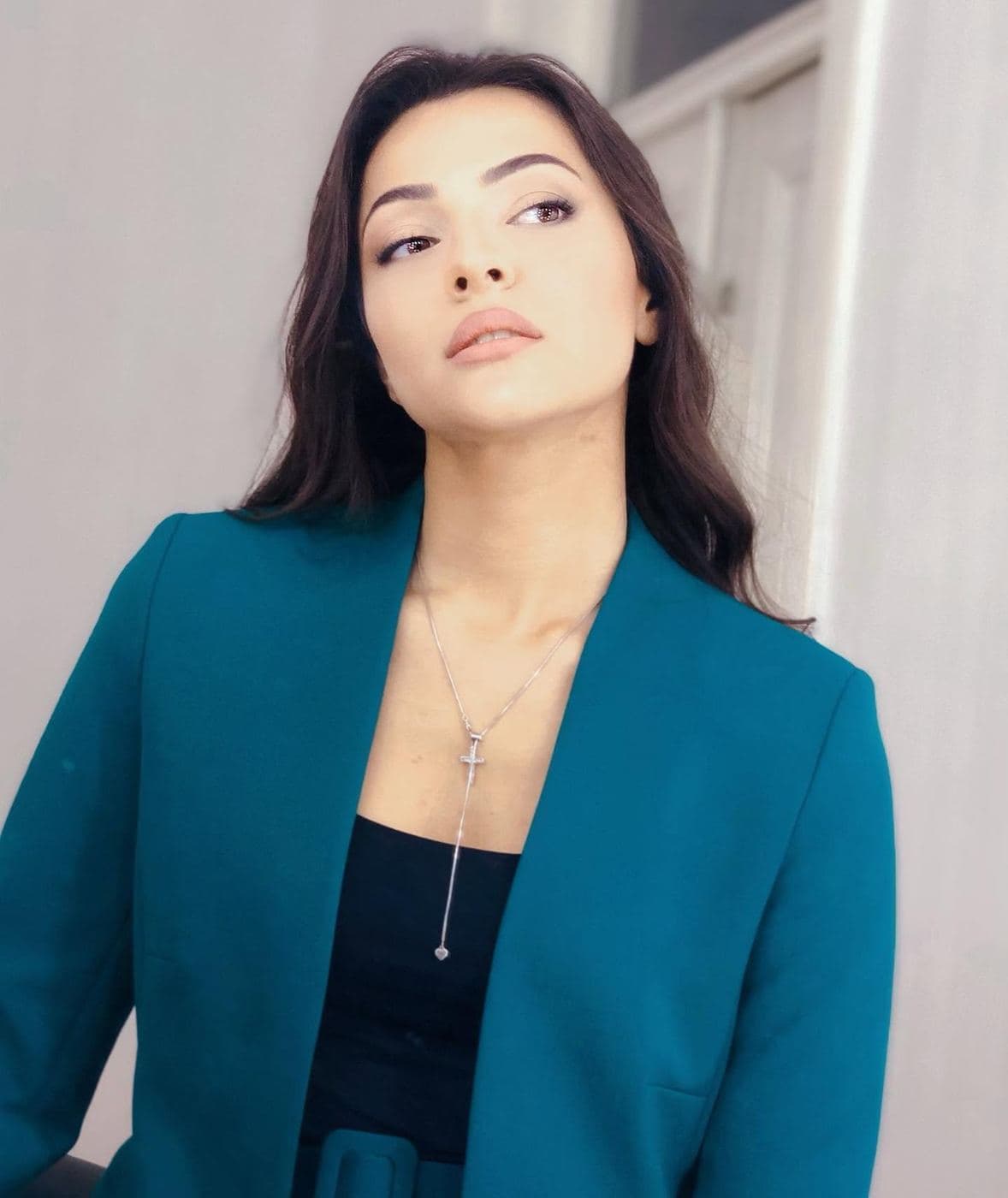
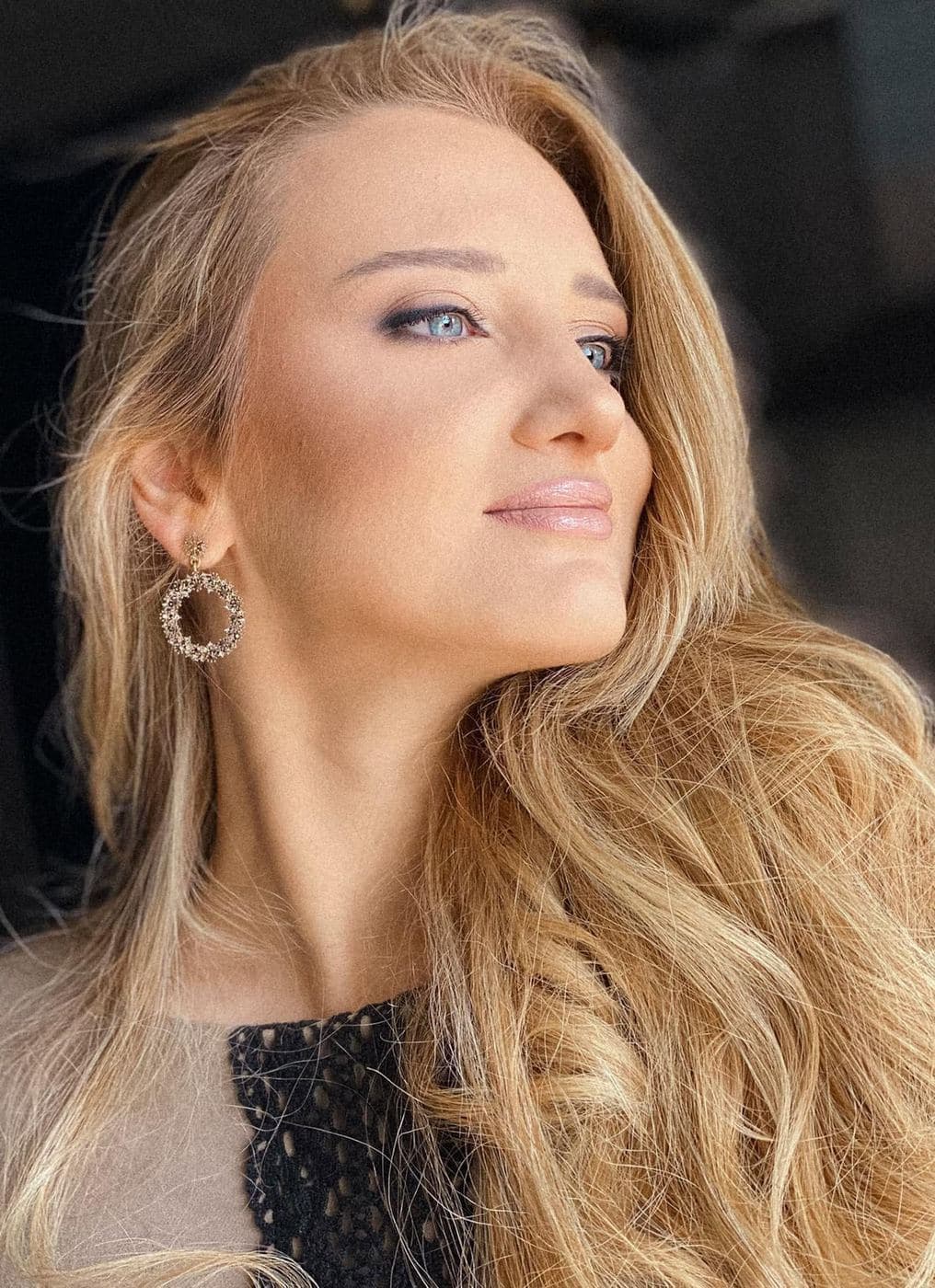
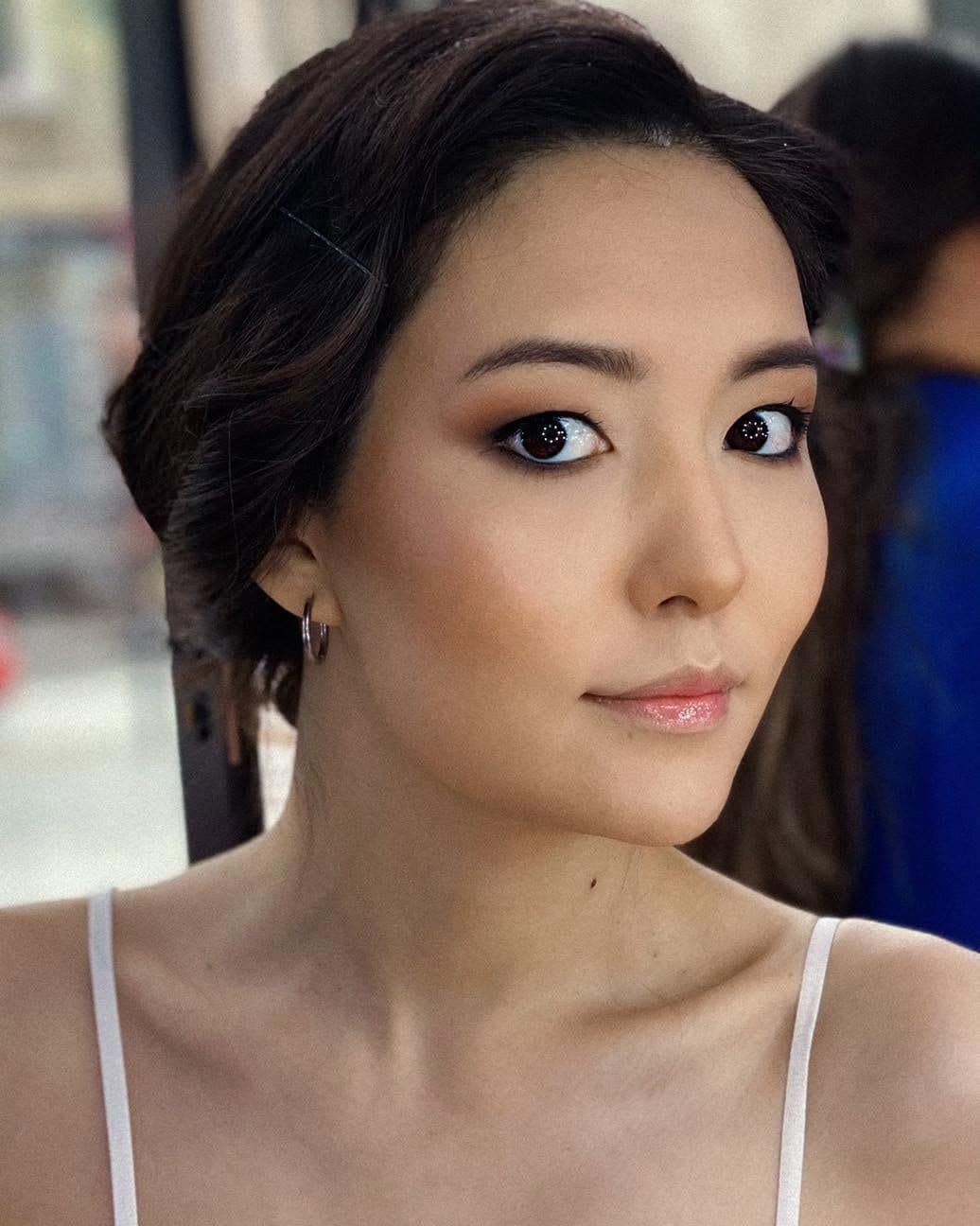
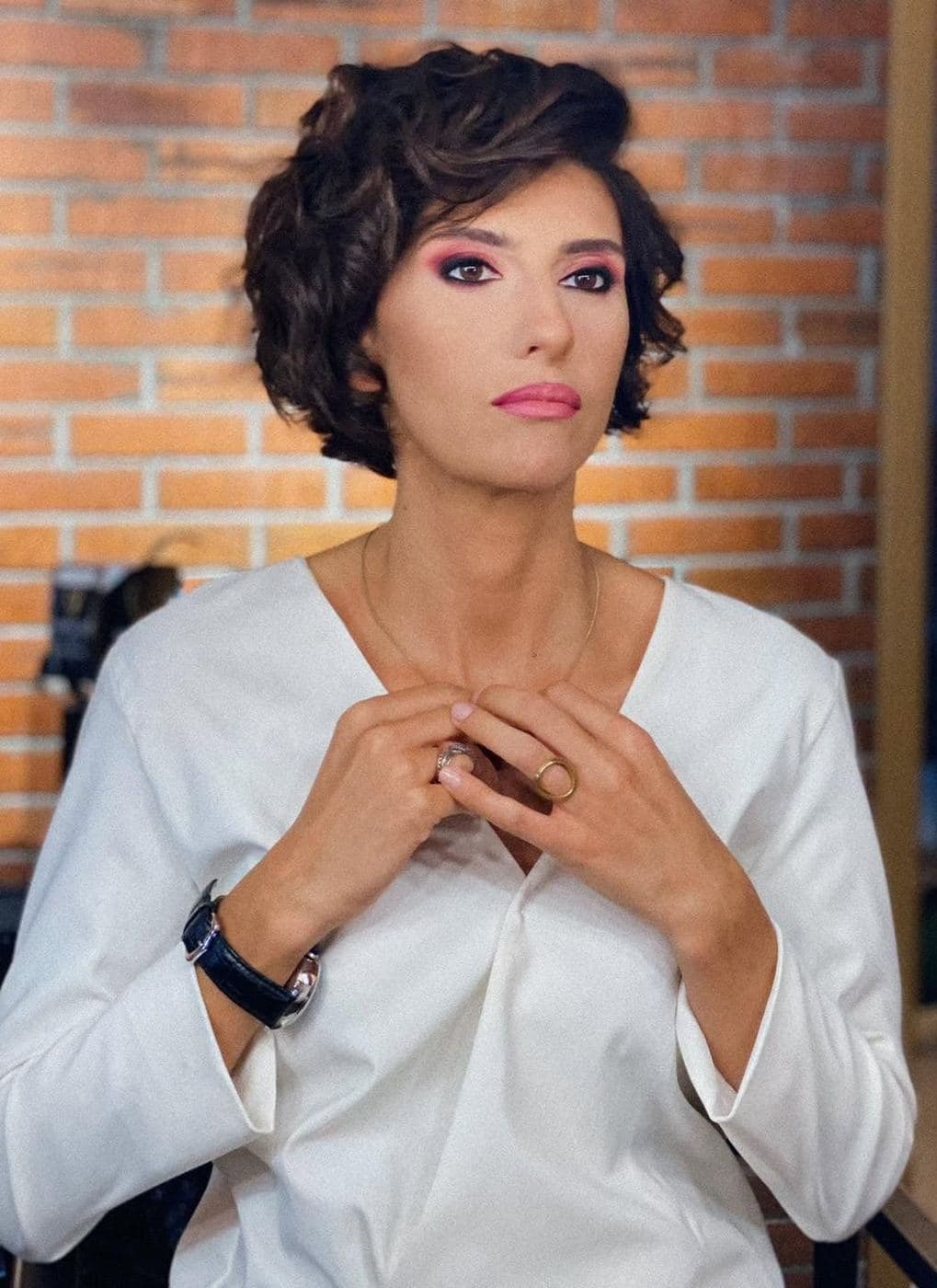
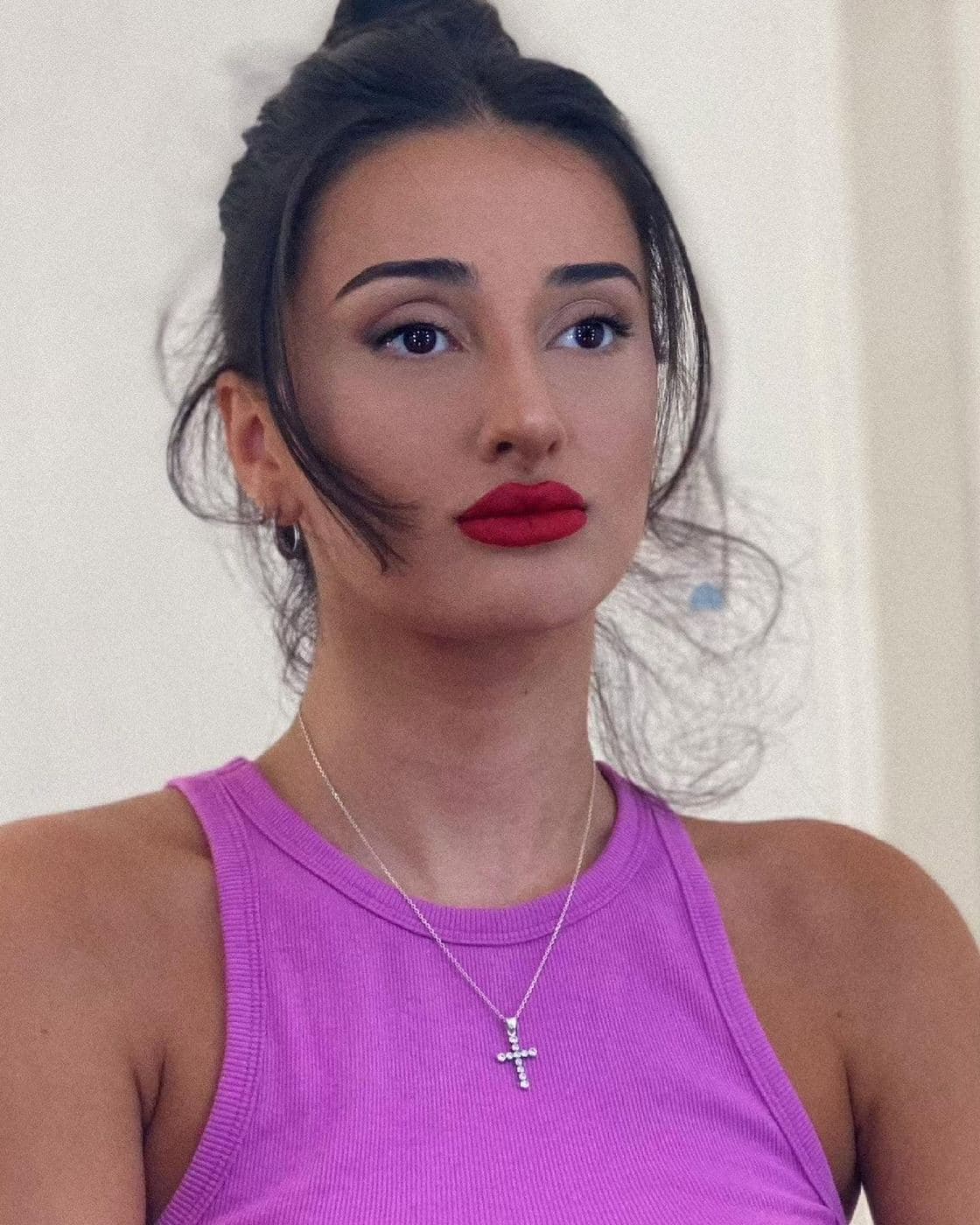
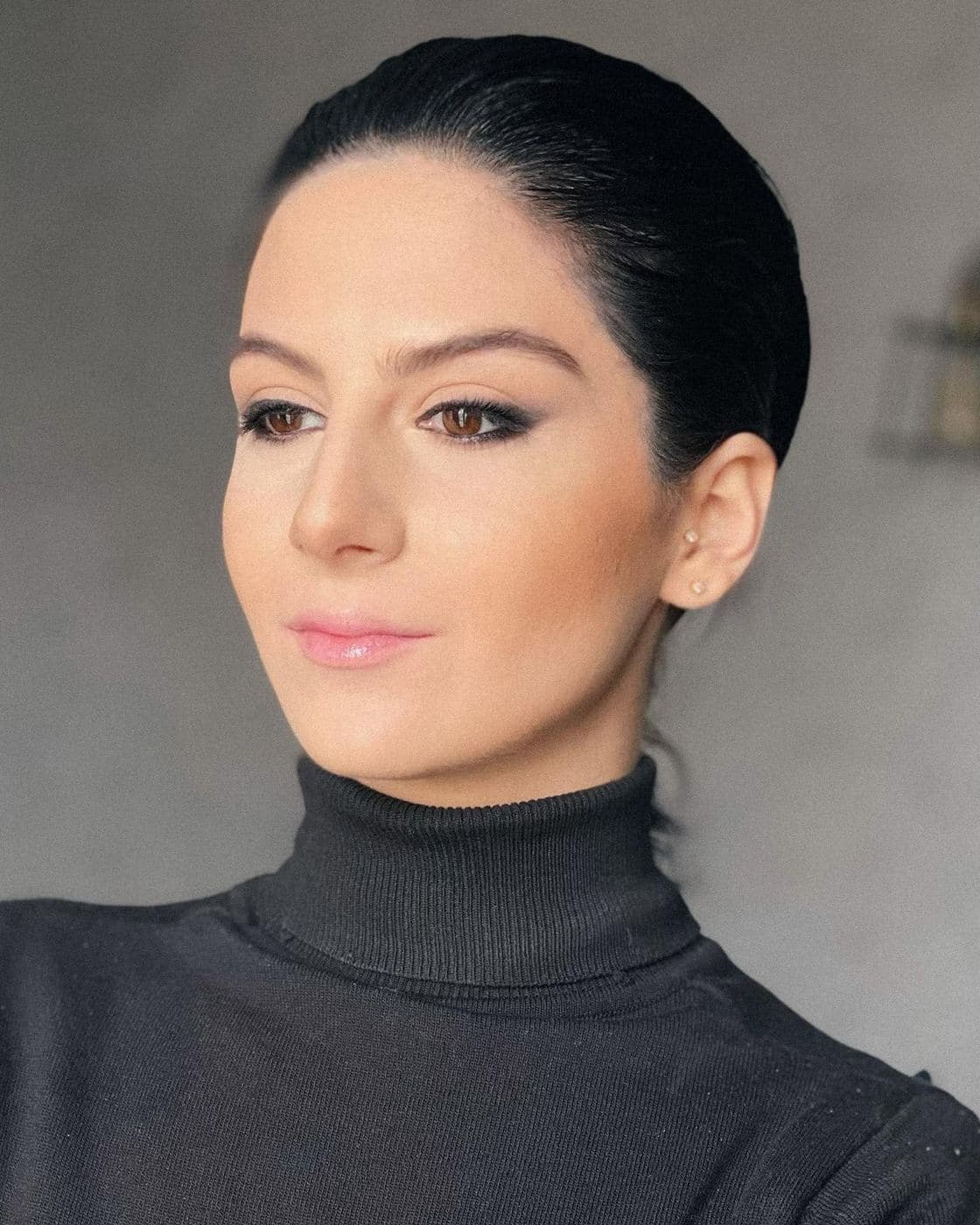
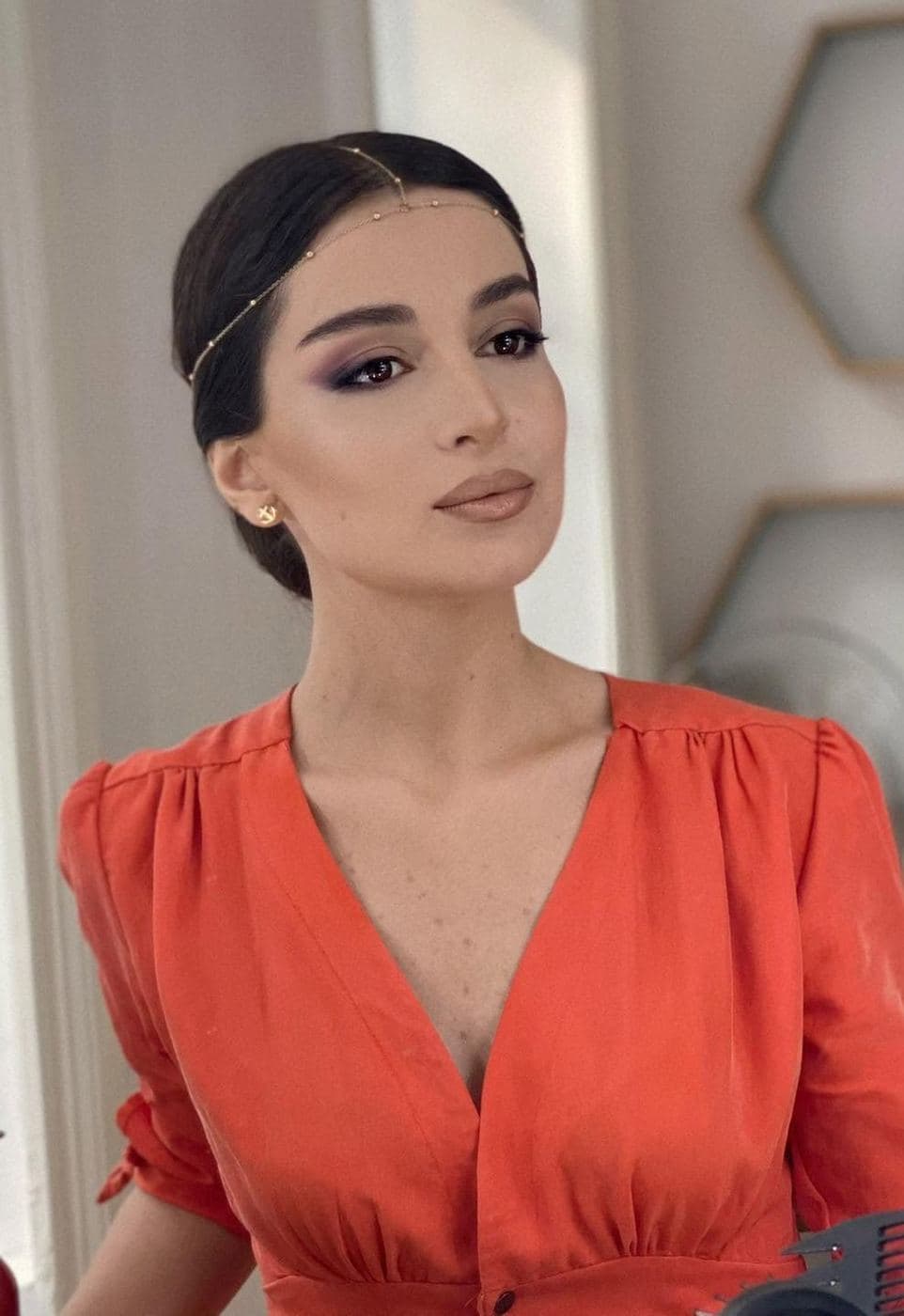
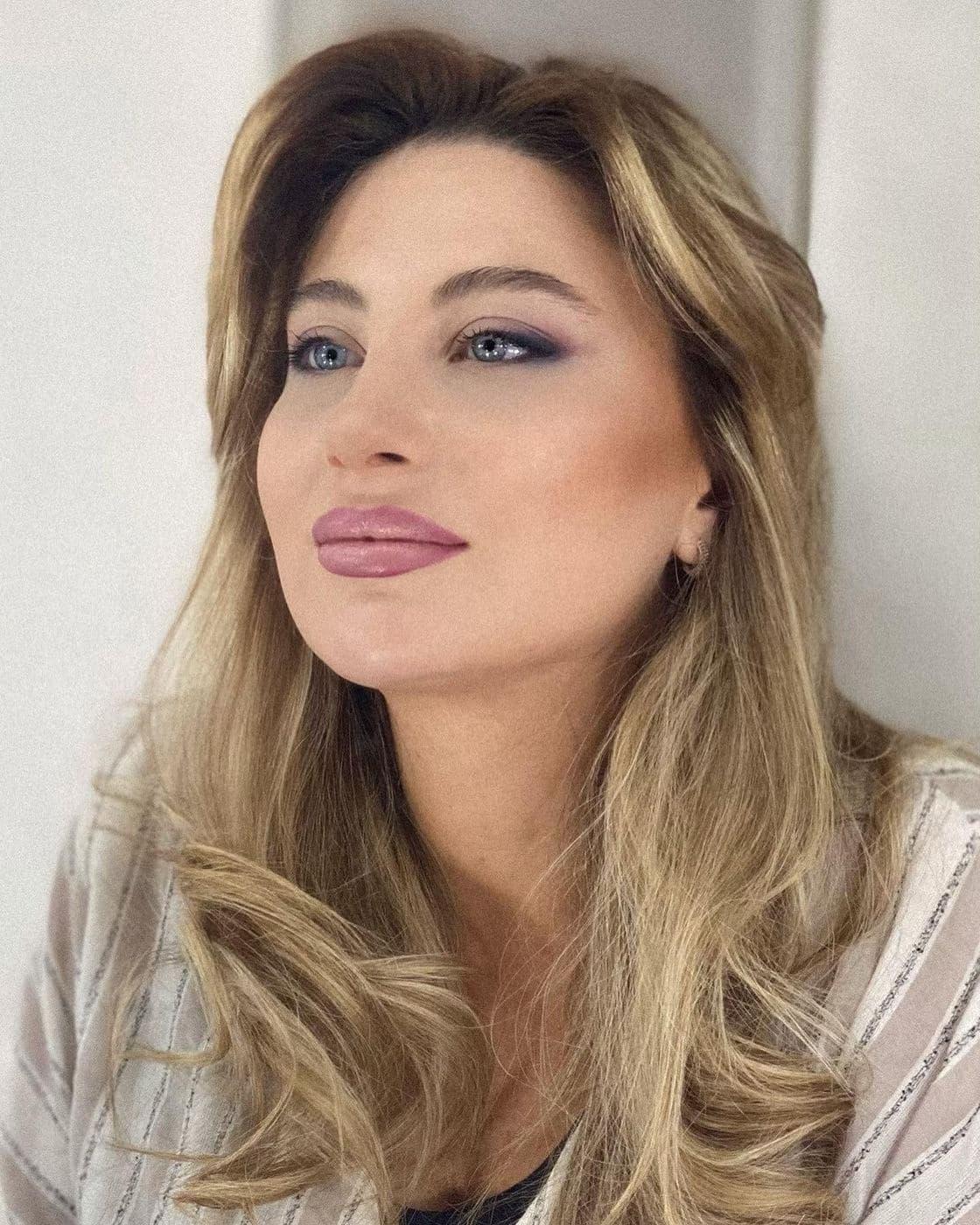
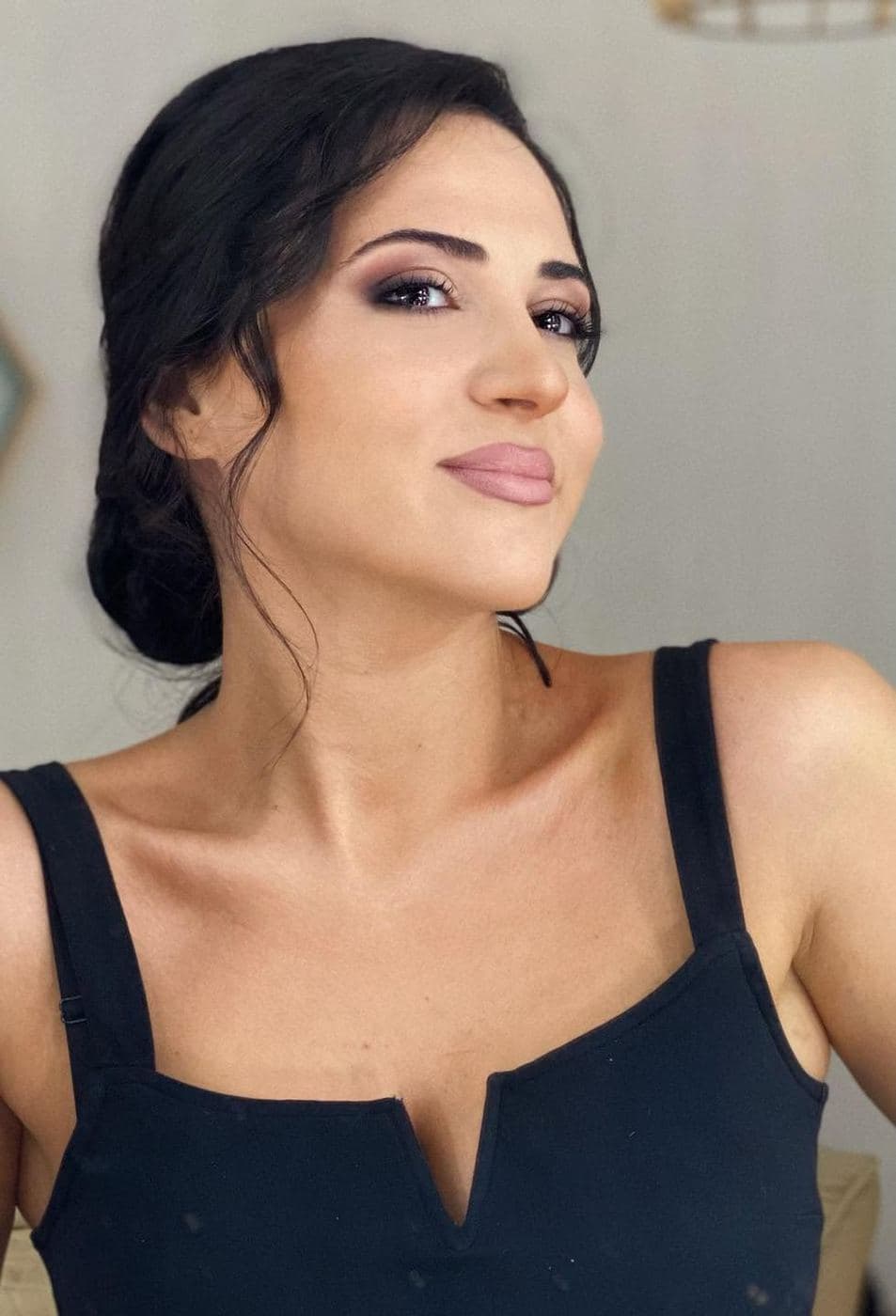
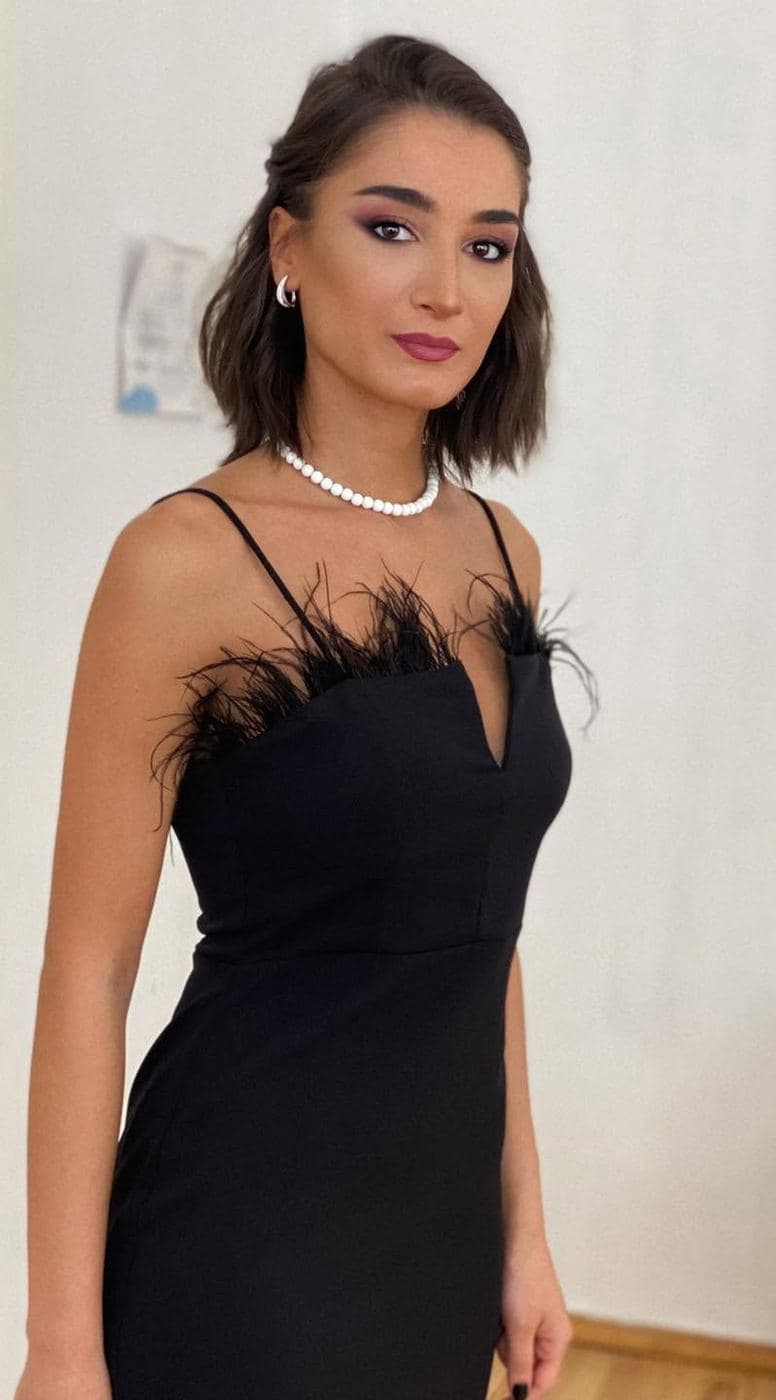
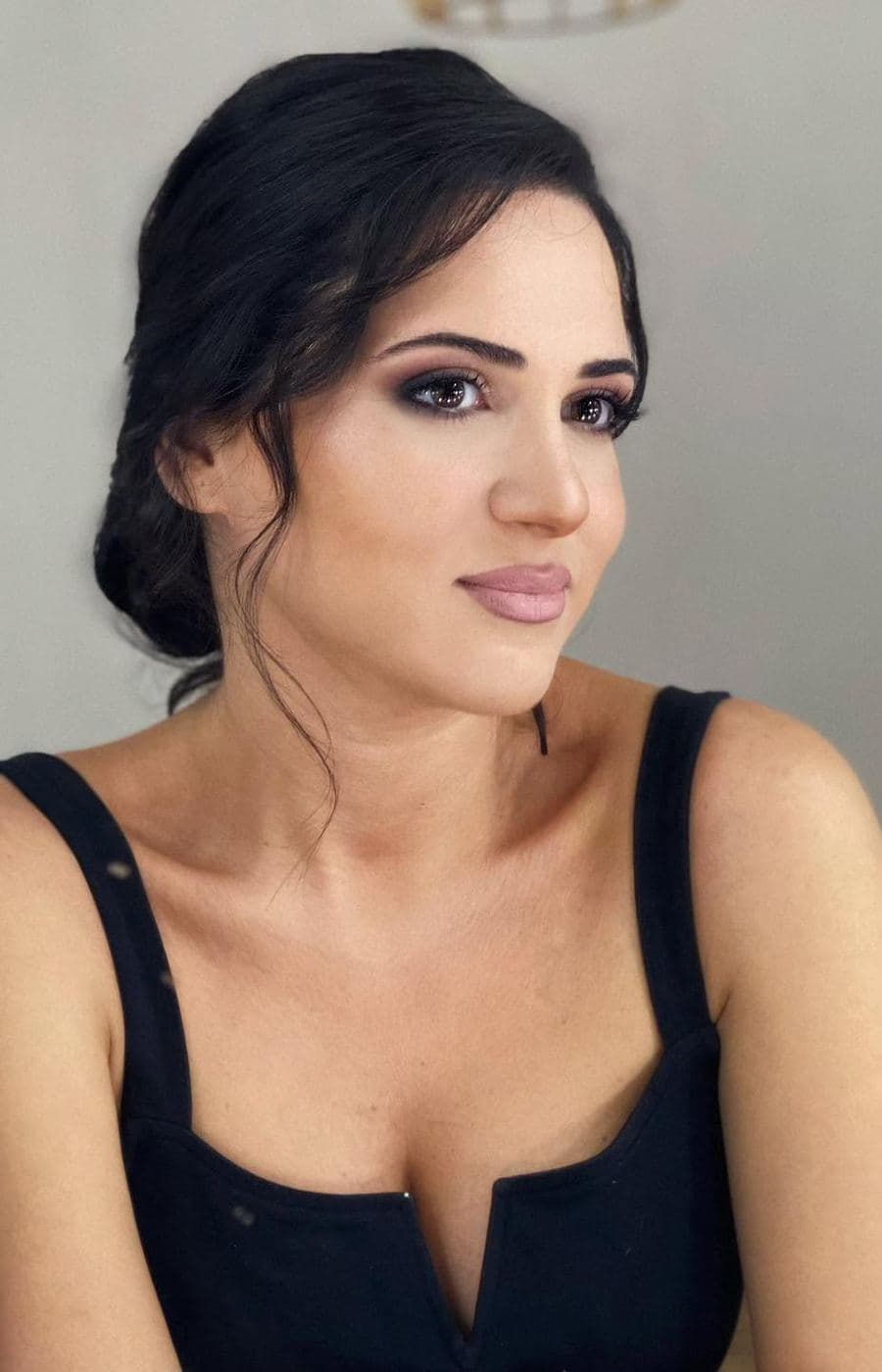
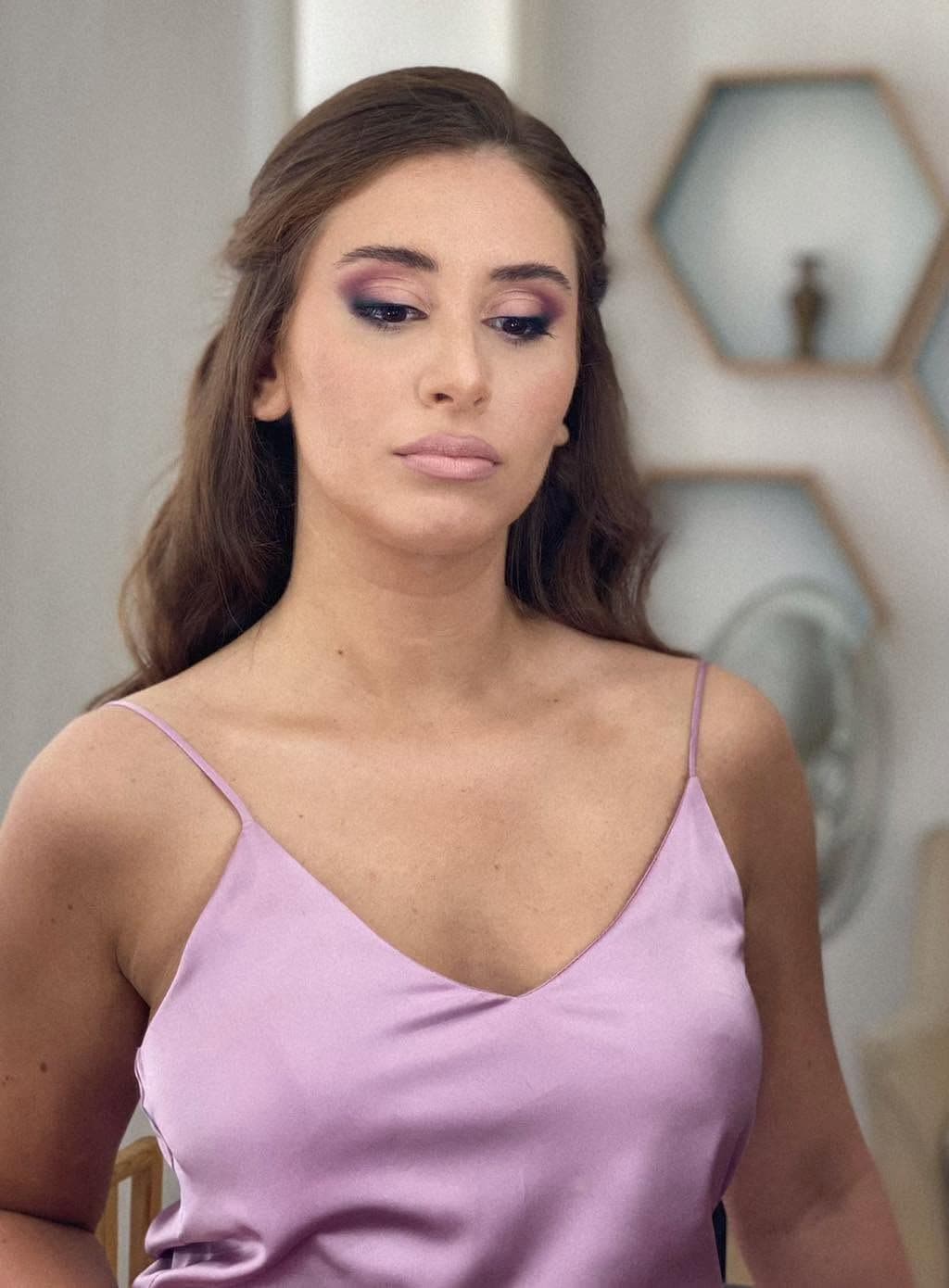
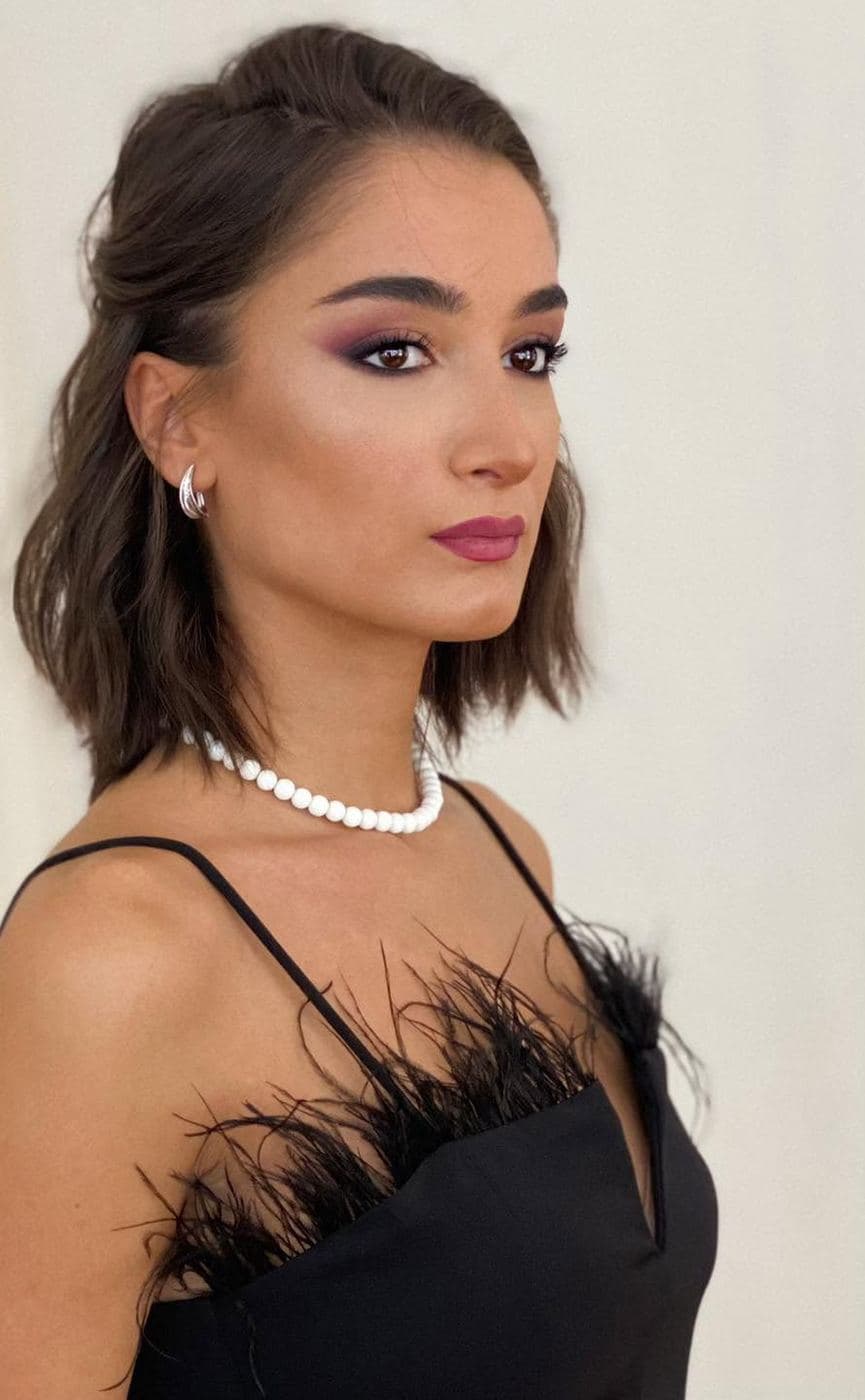
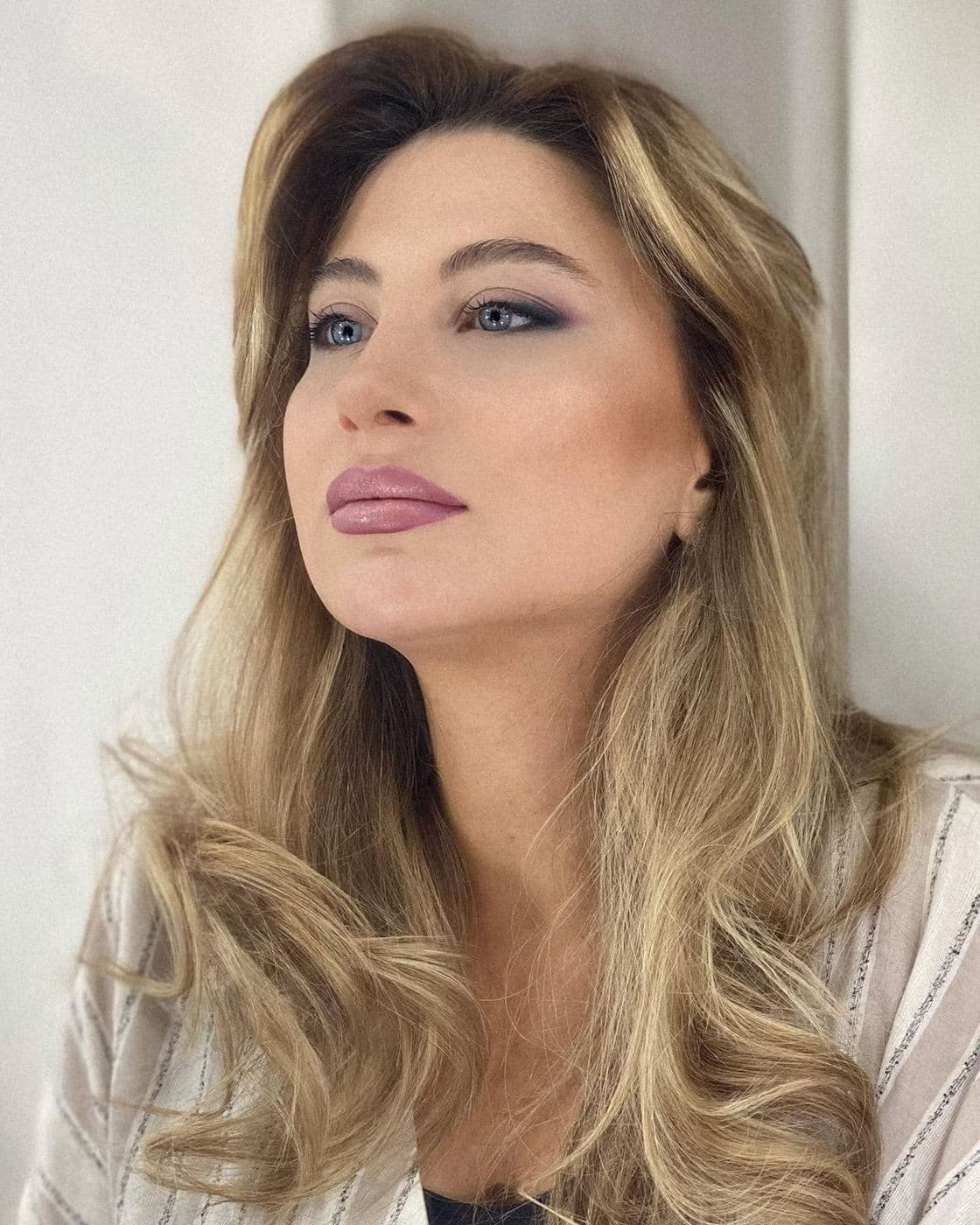
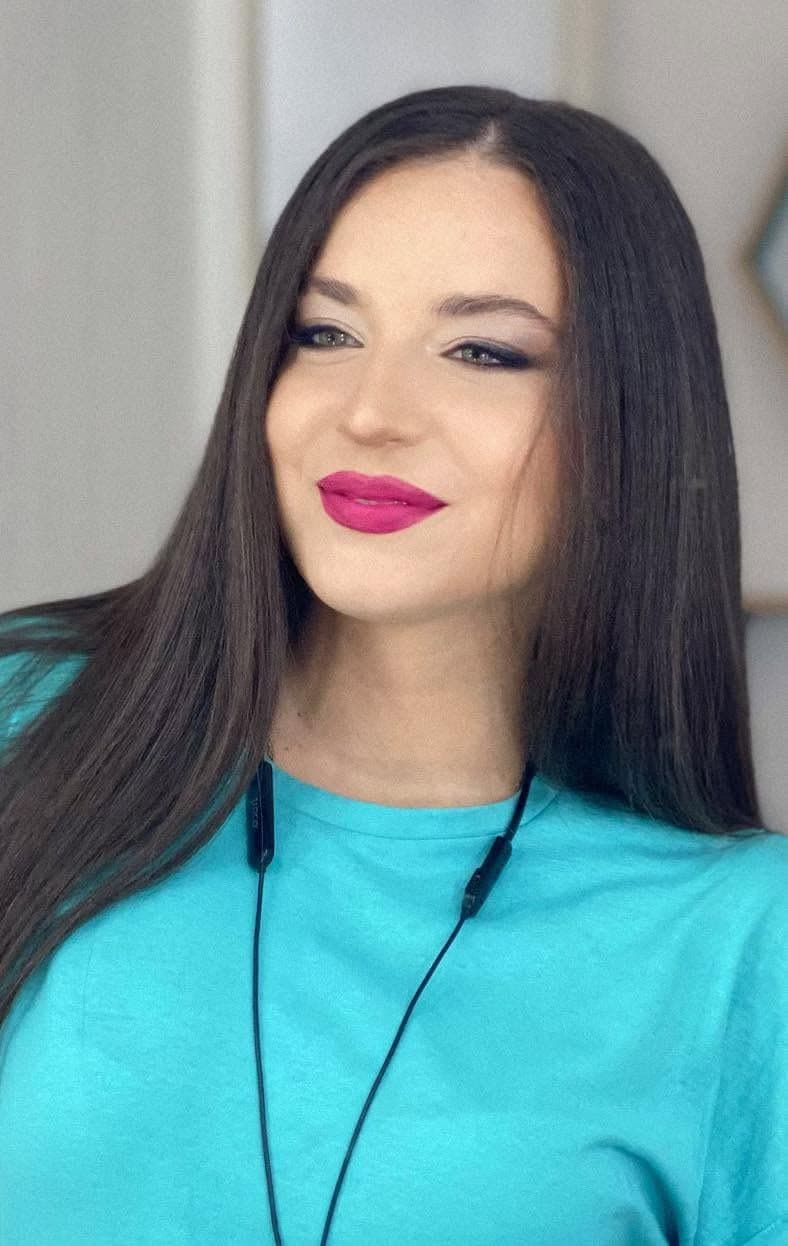
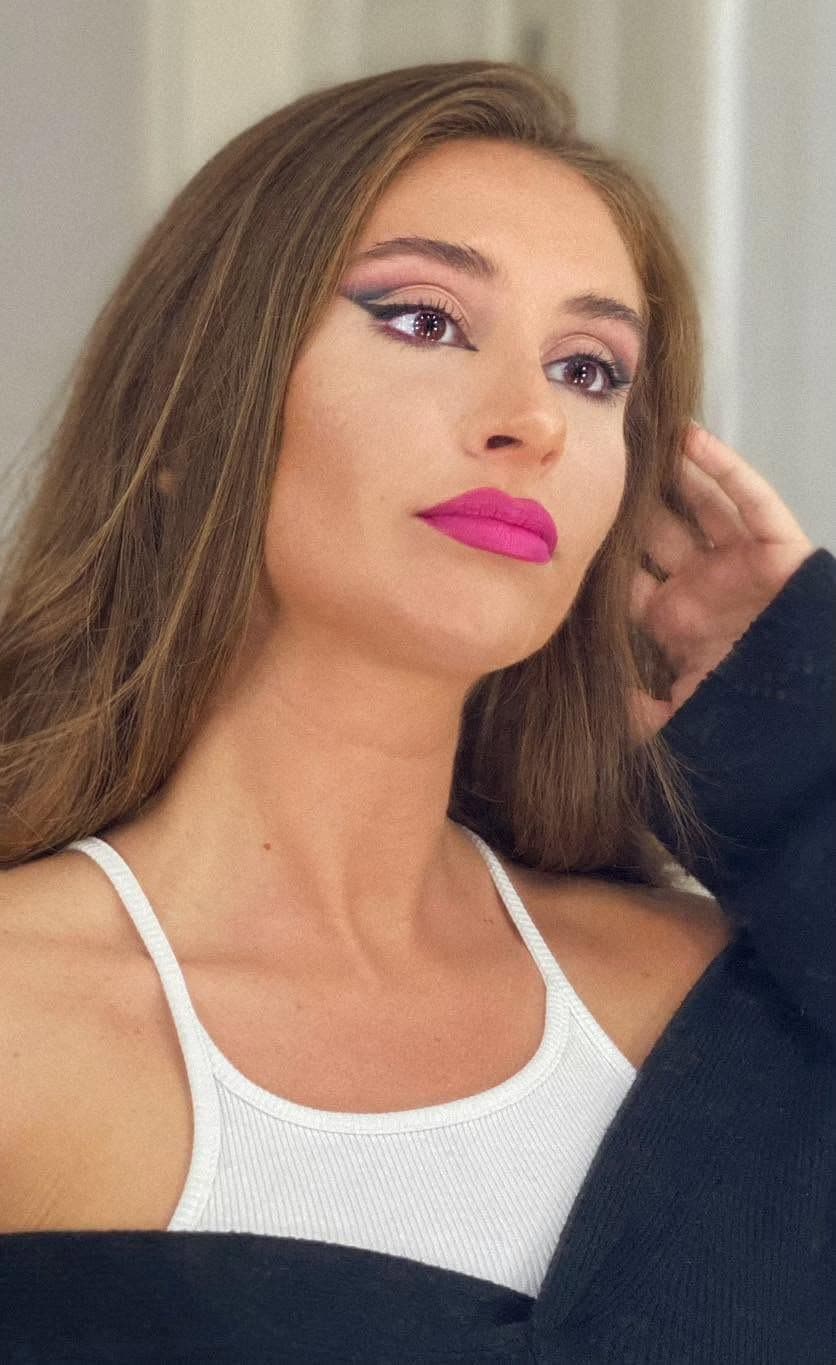
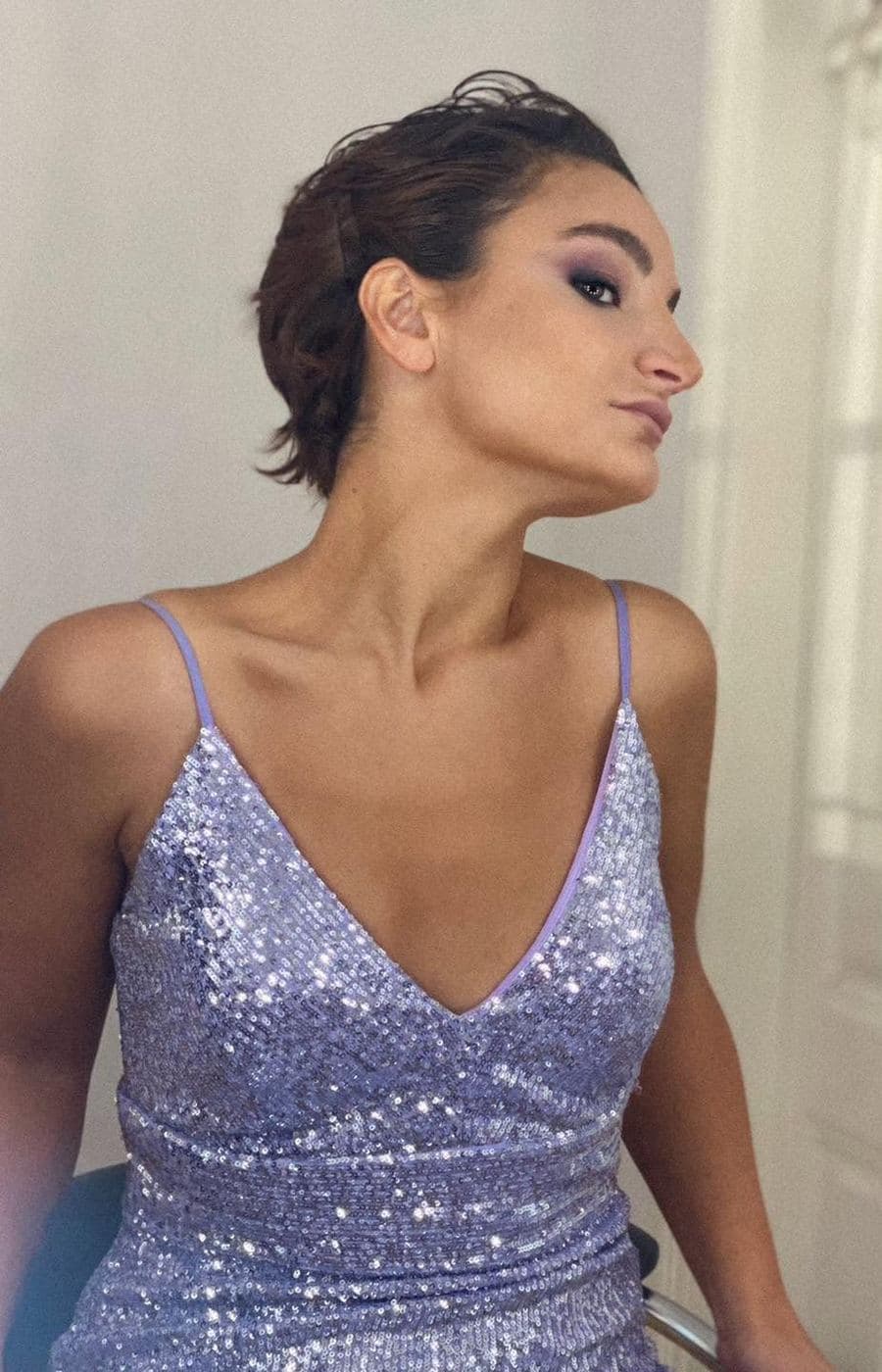
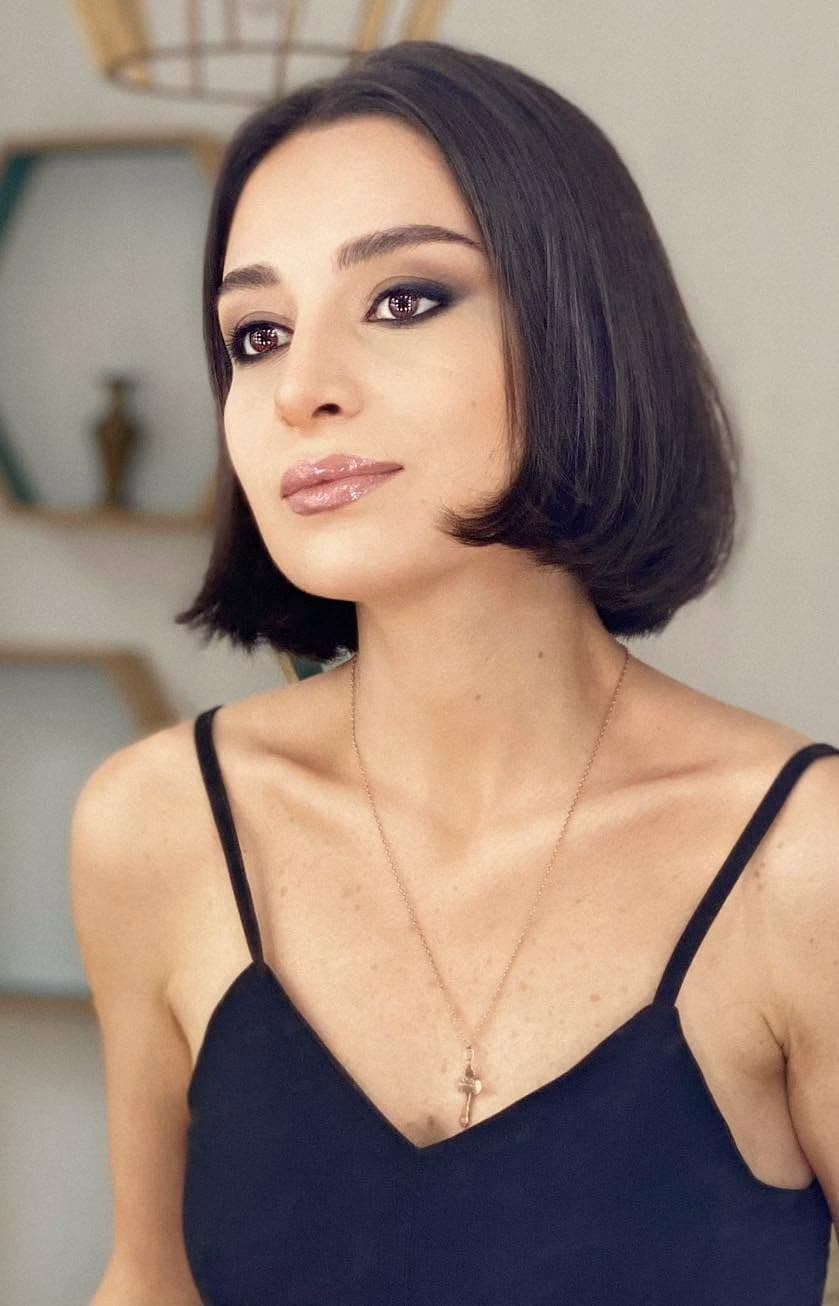
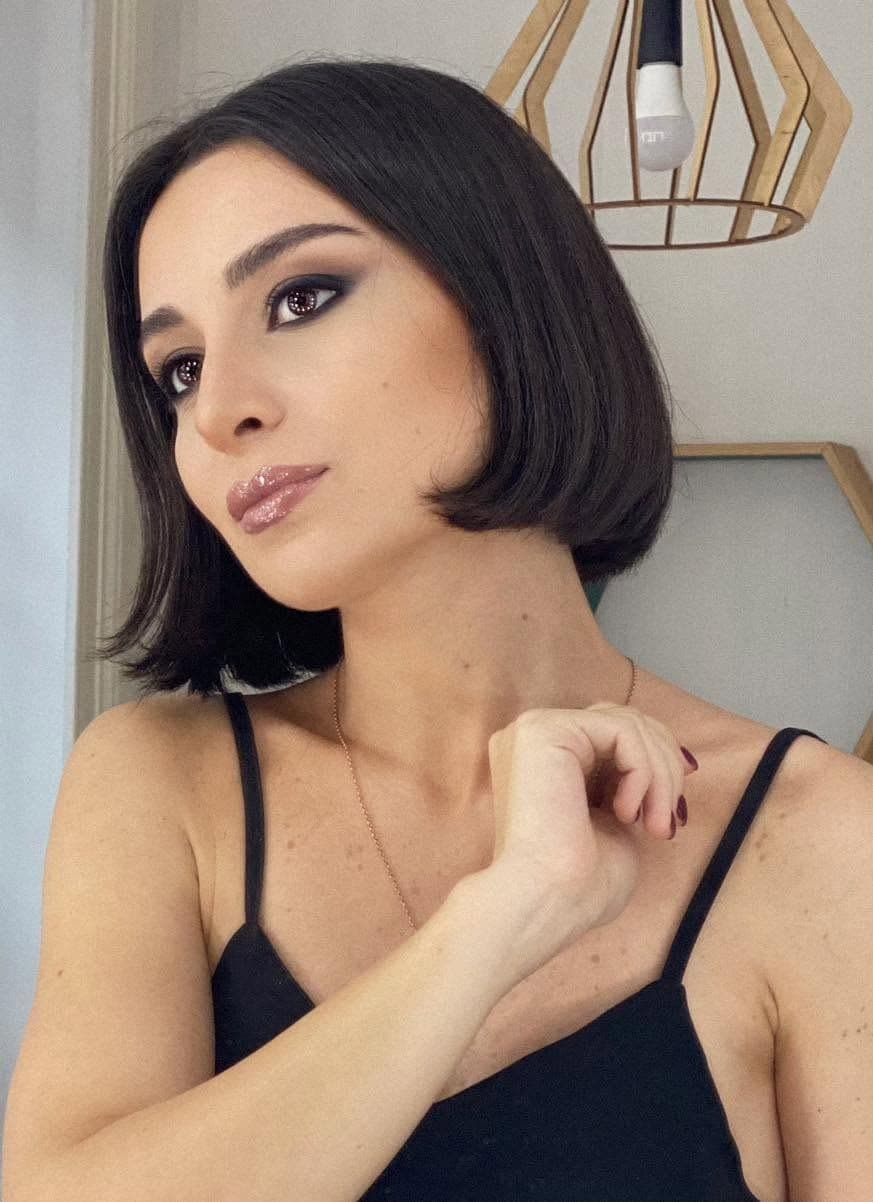
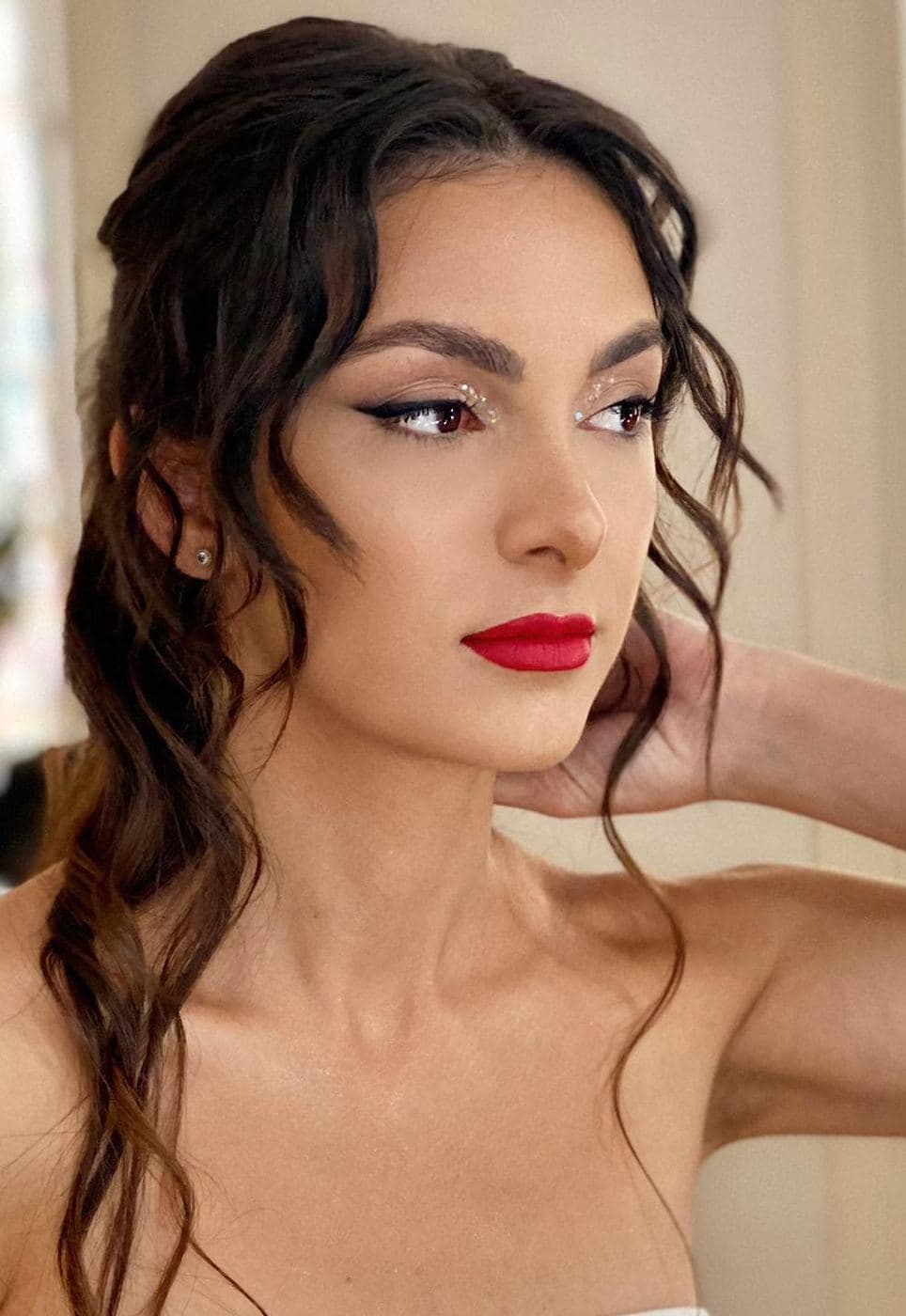

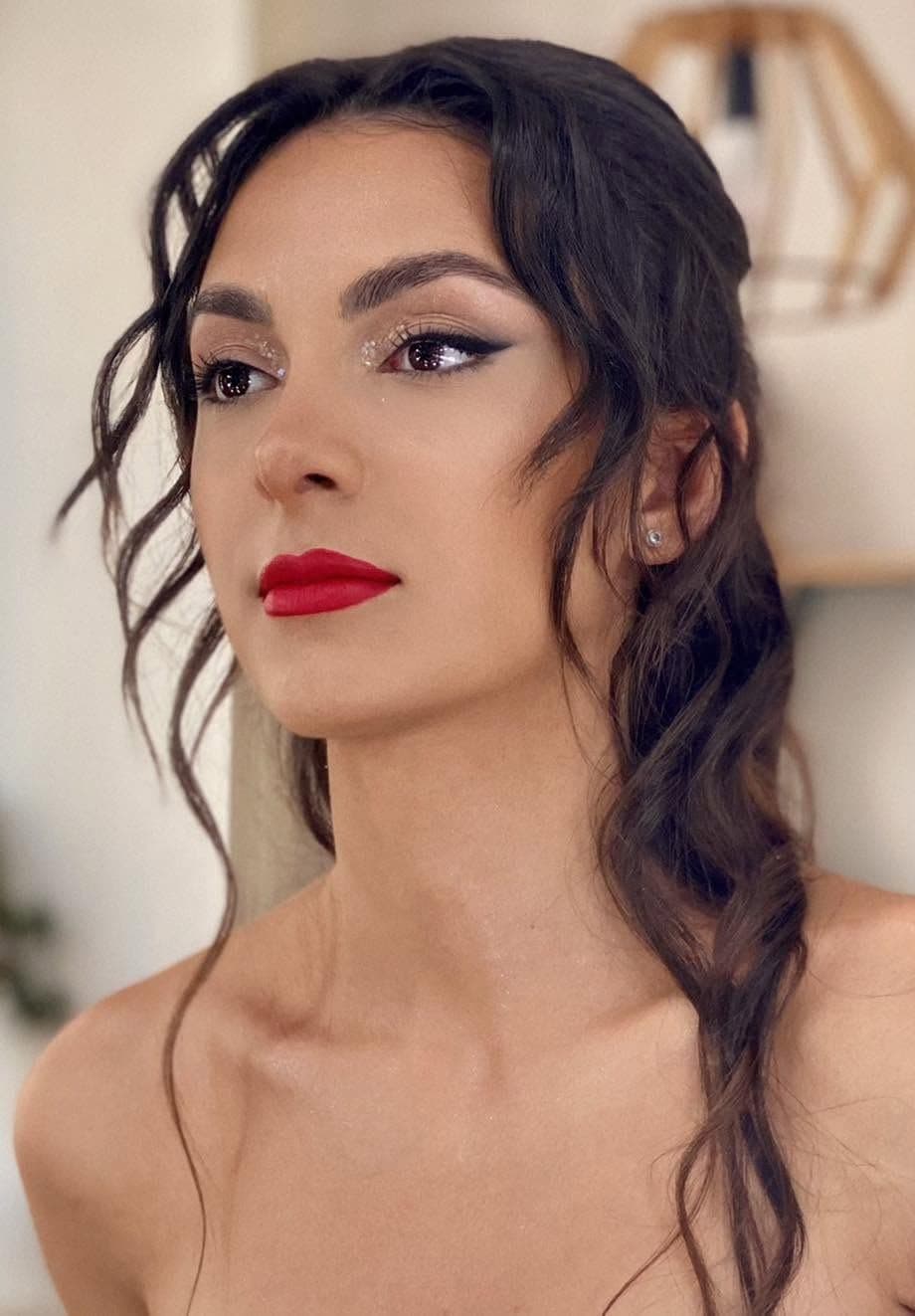
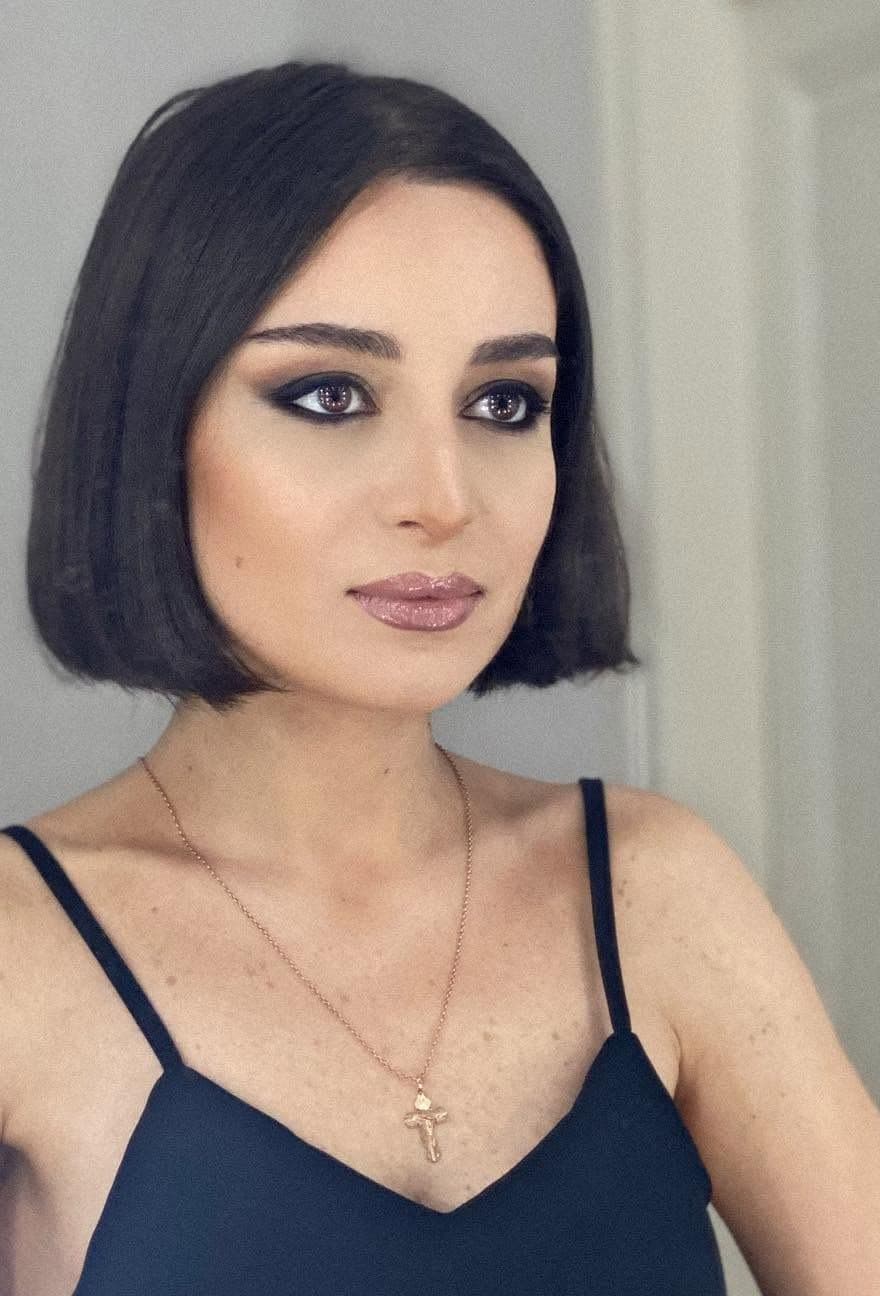
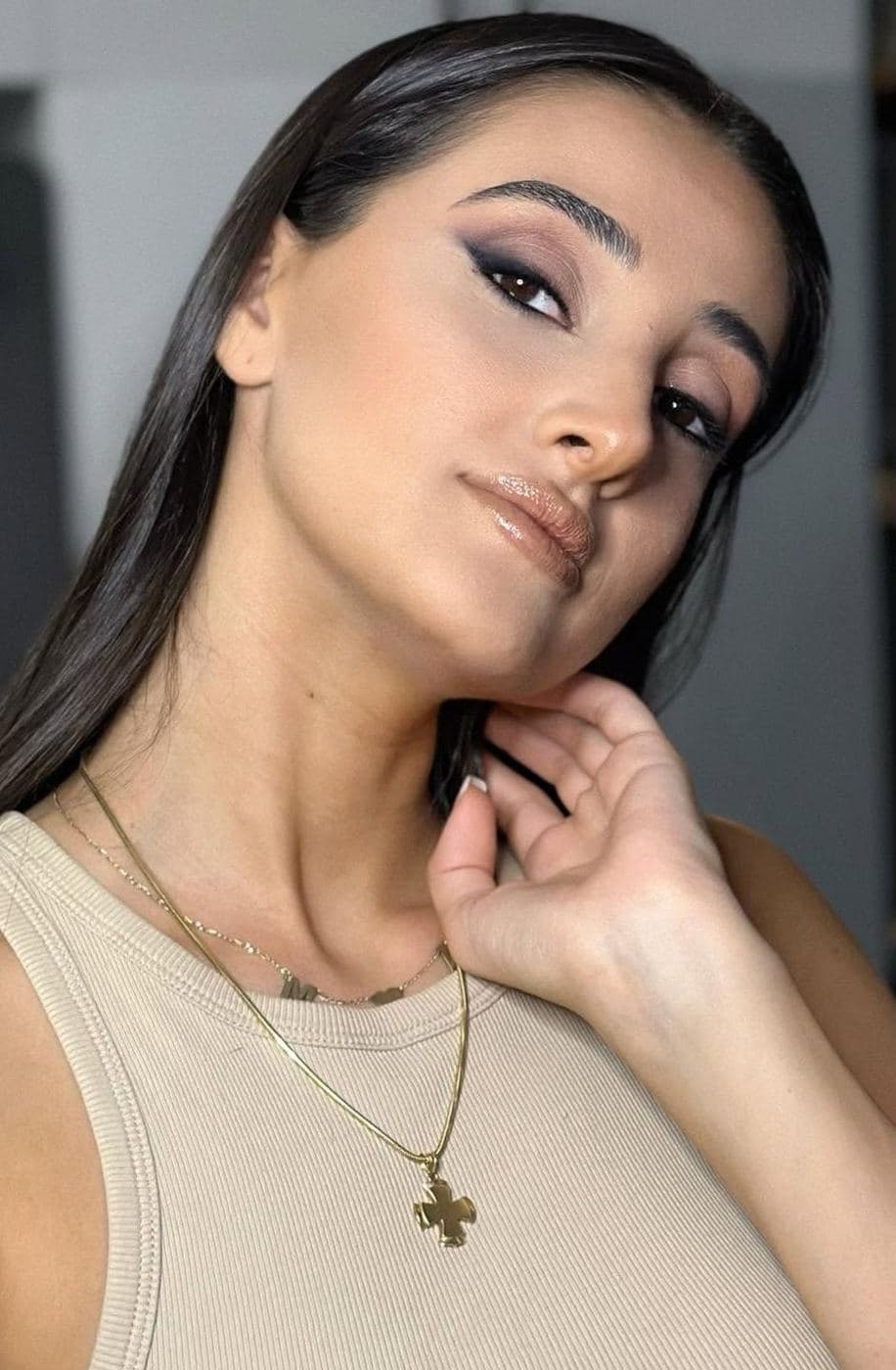
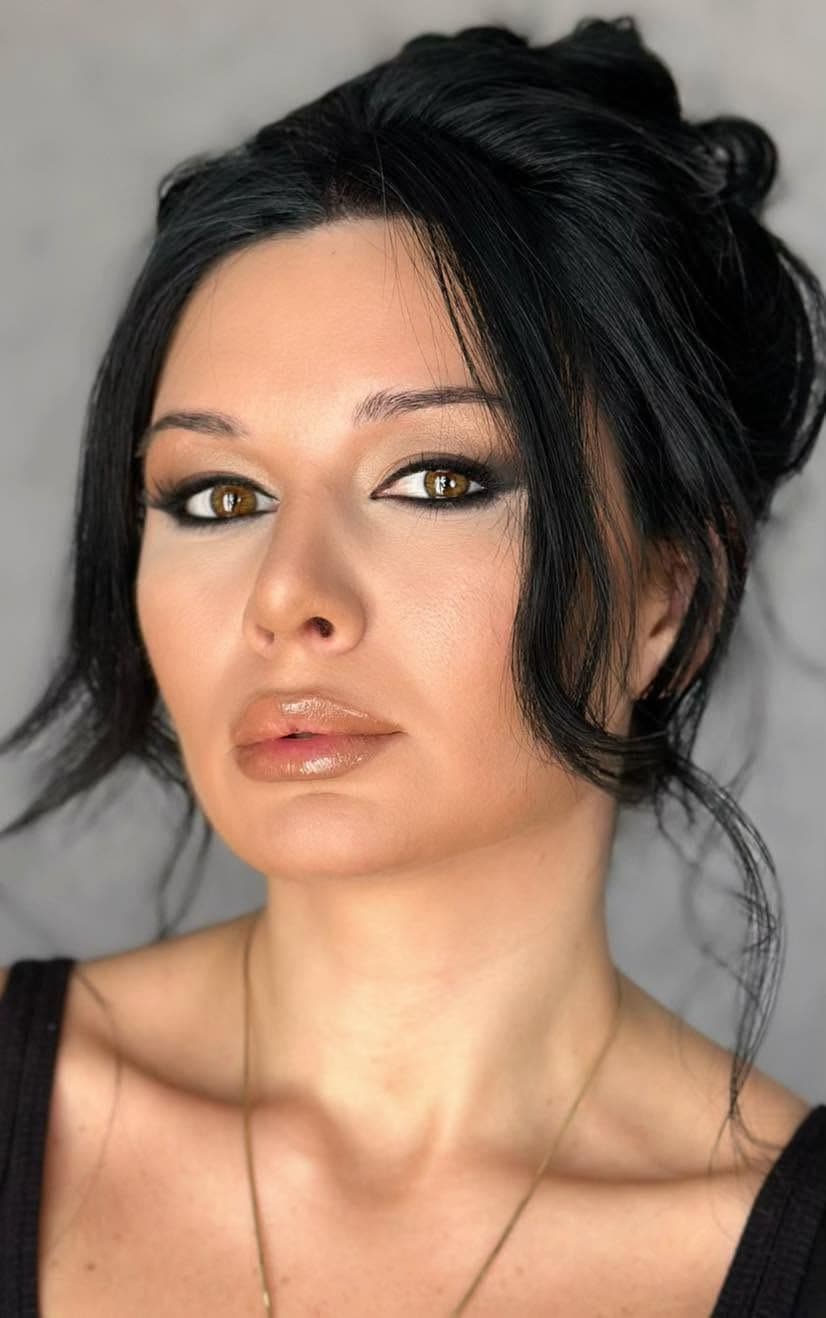
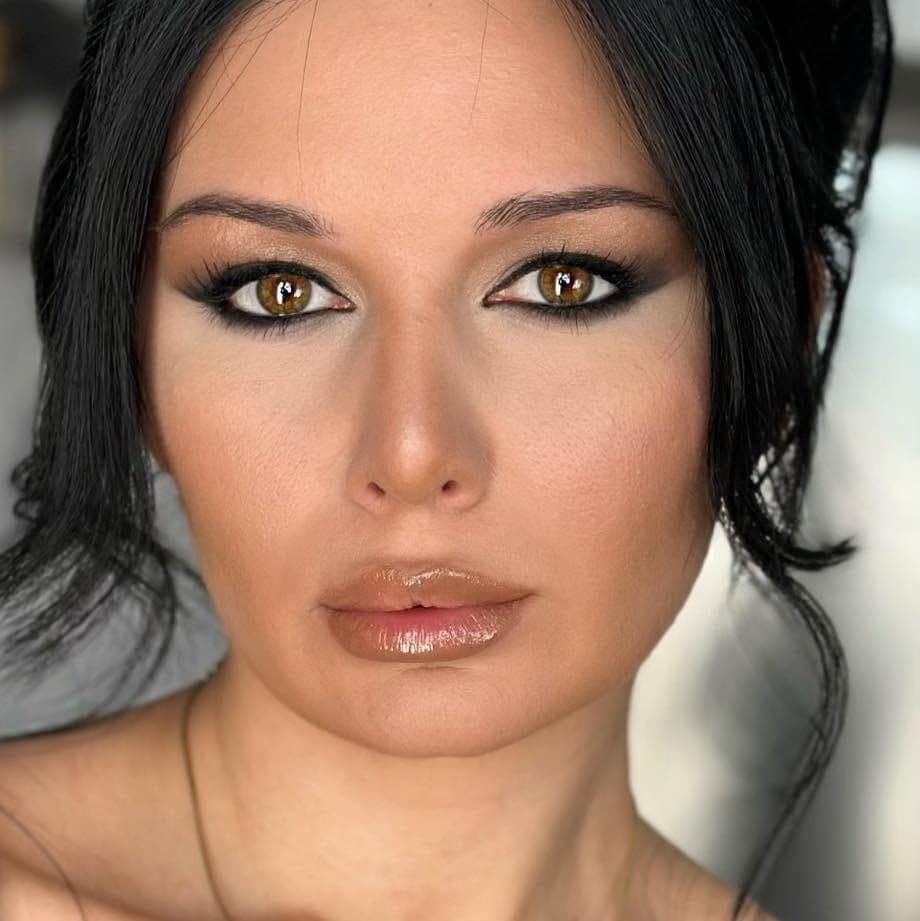
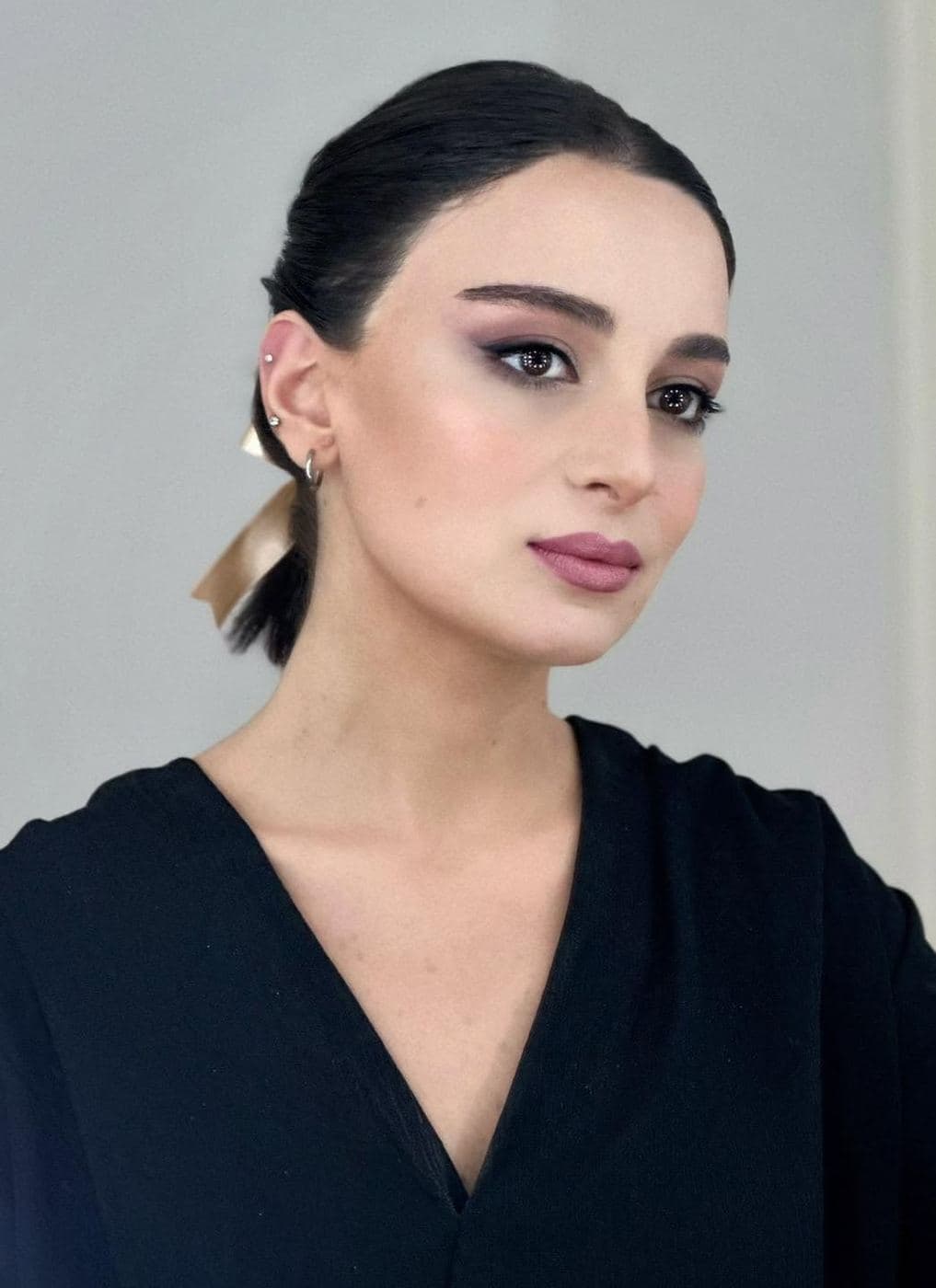
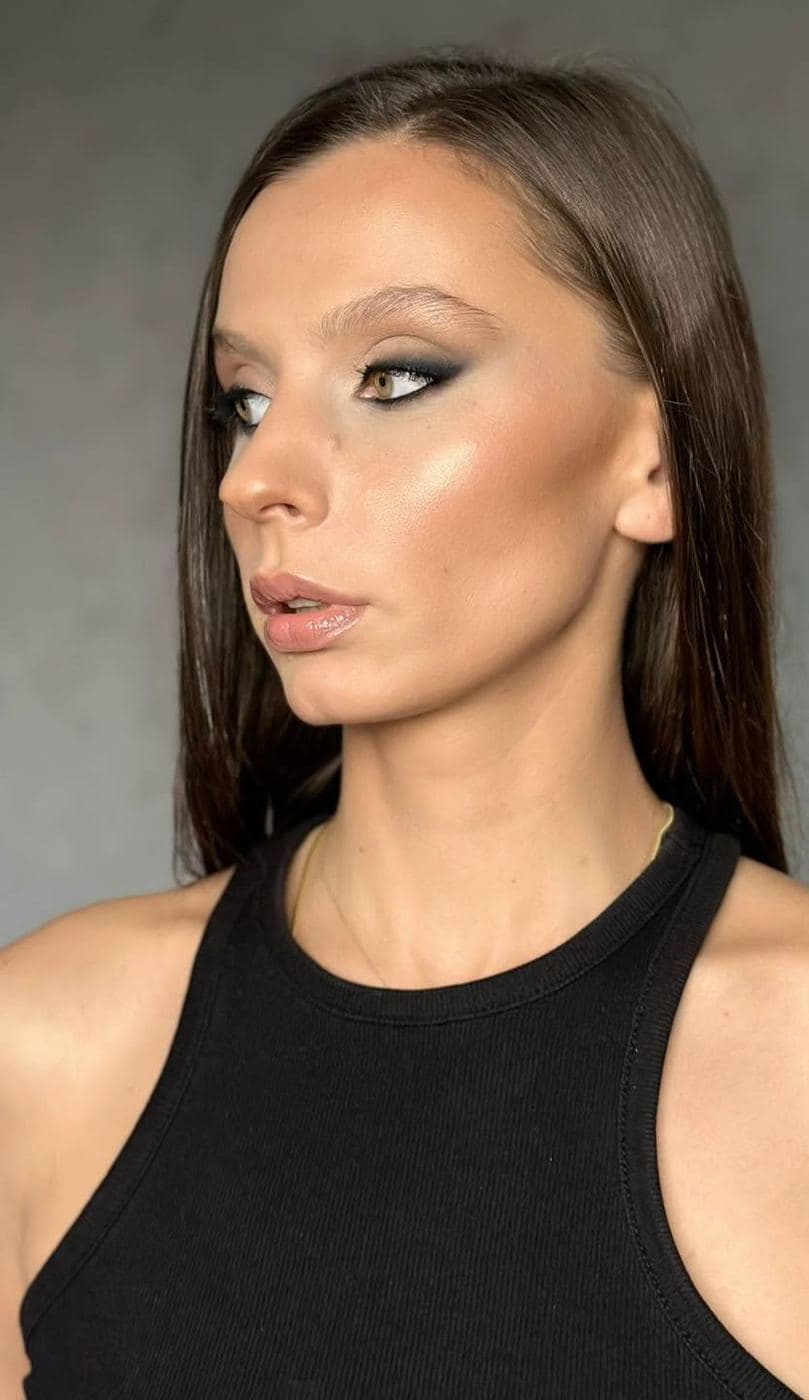
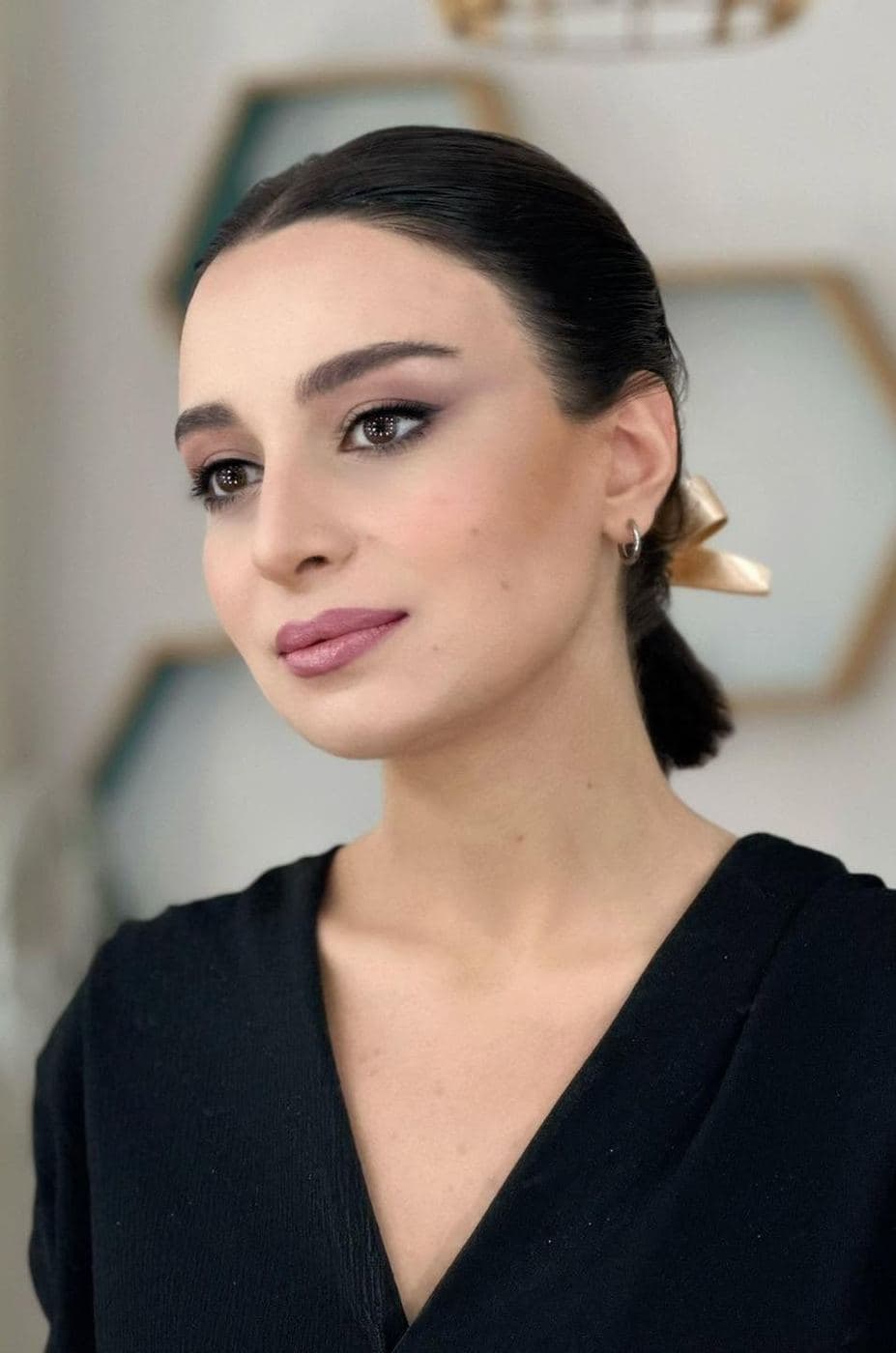
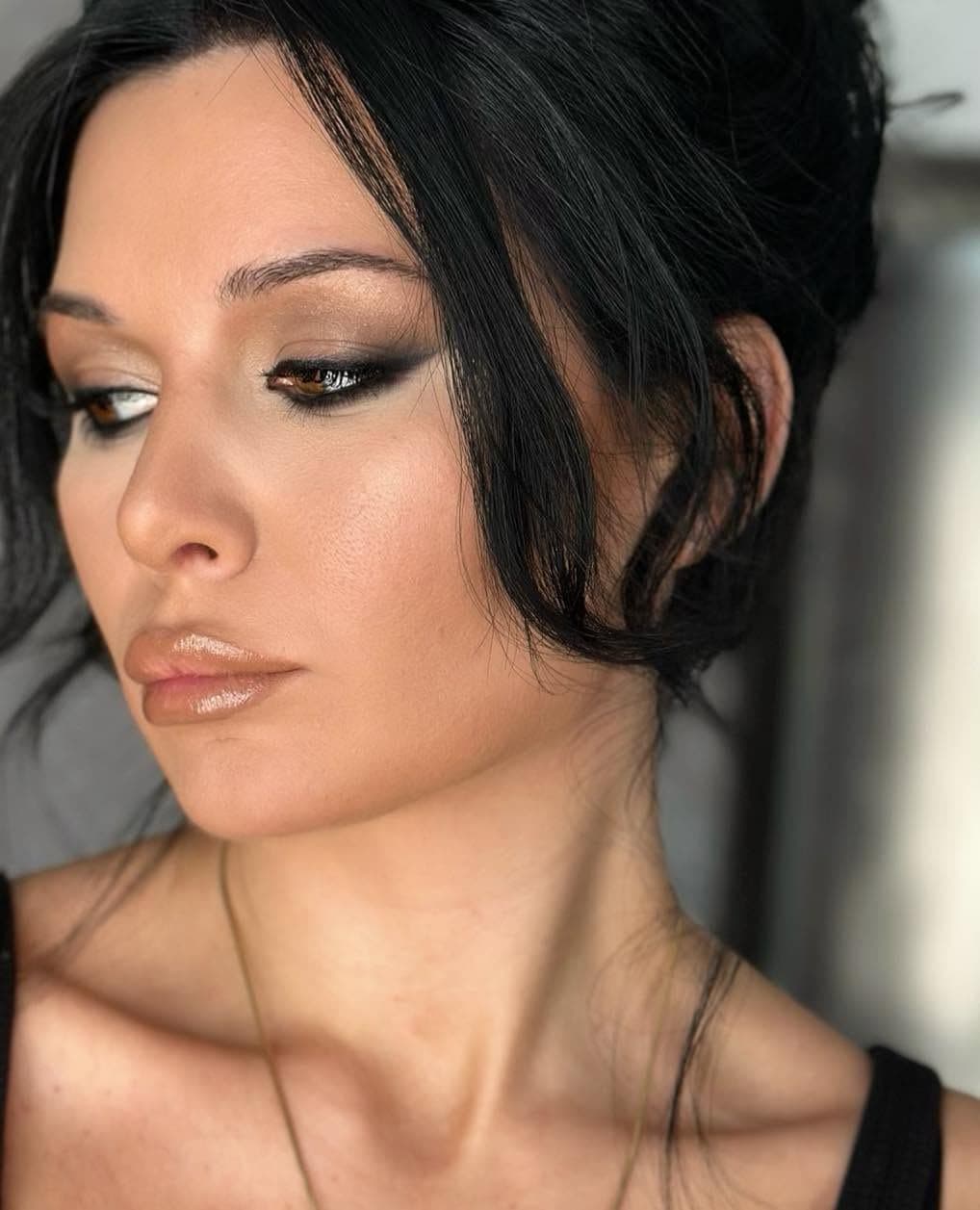
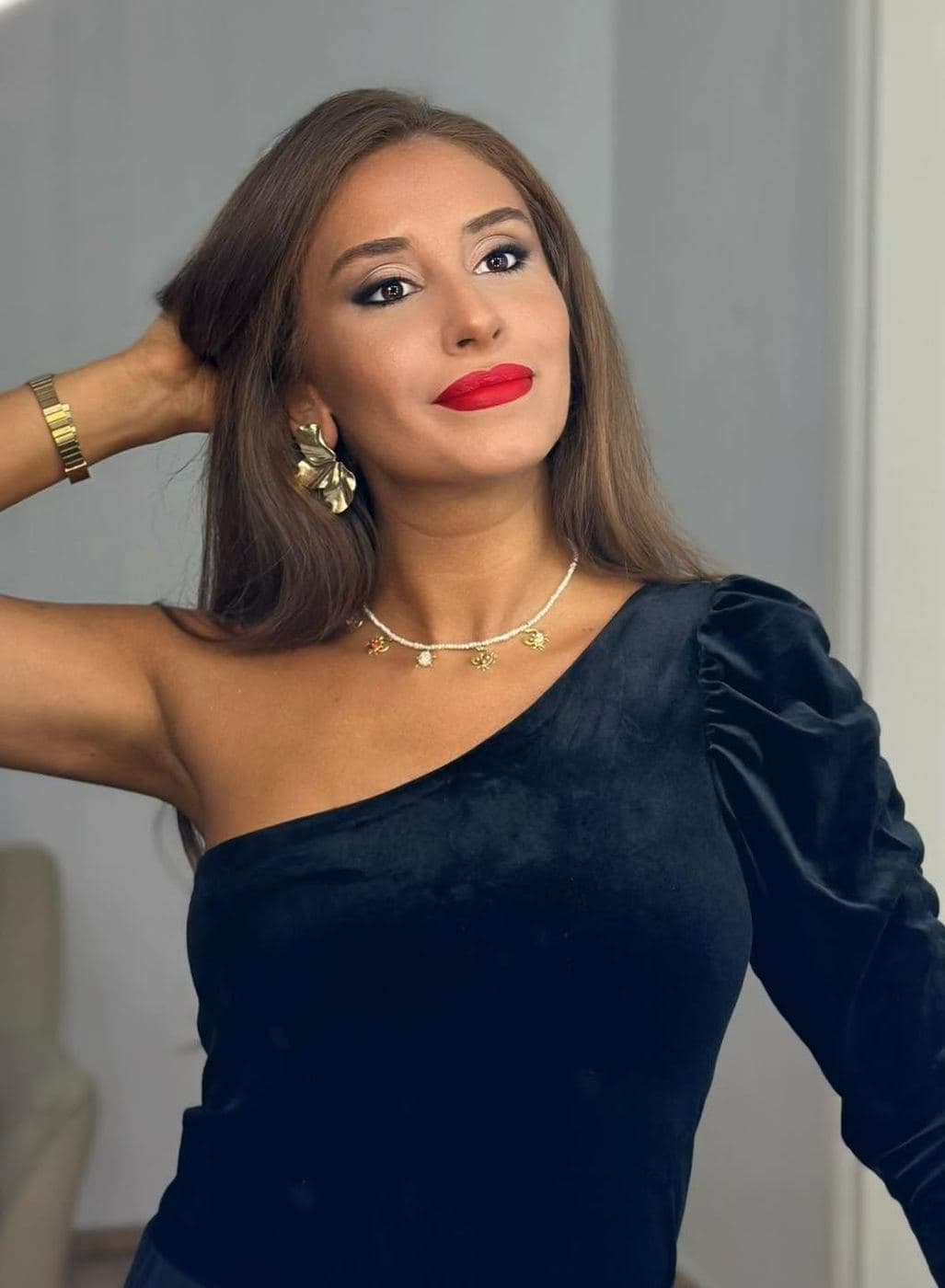
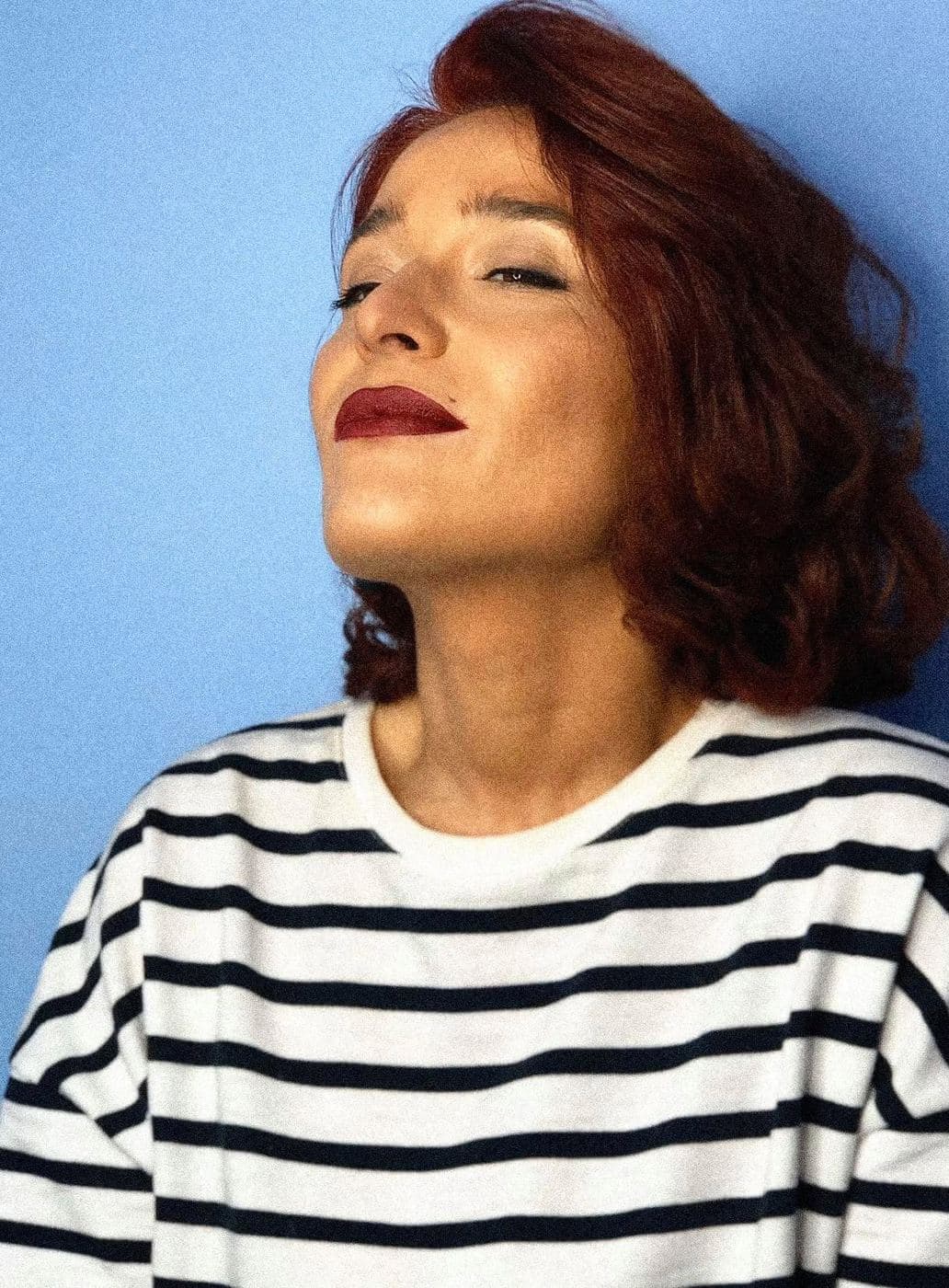
Natural makeup
Everyday and workday looks: skin still reads as skin, not as a mask.

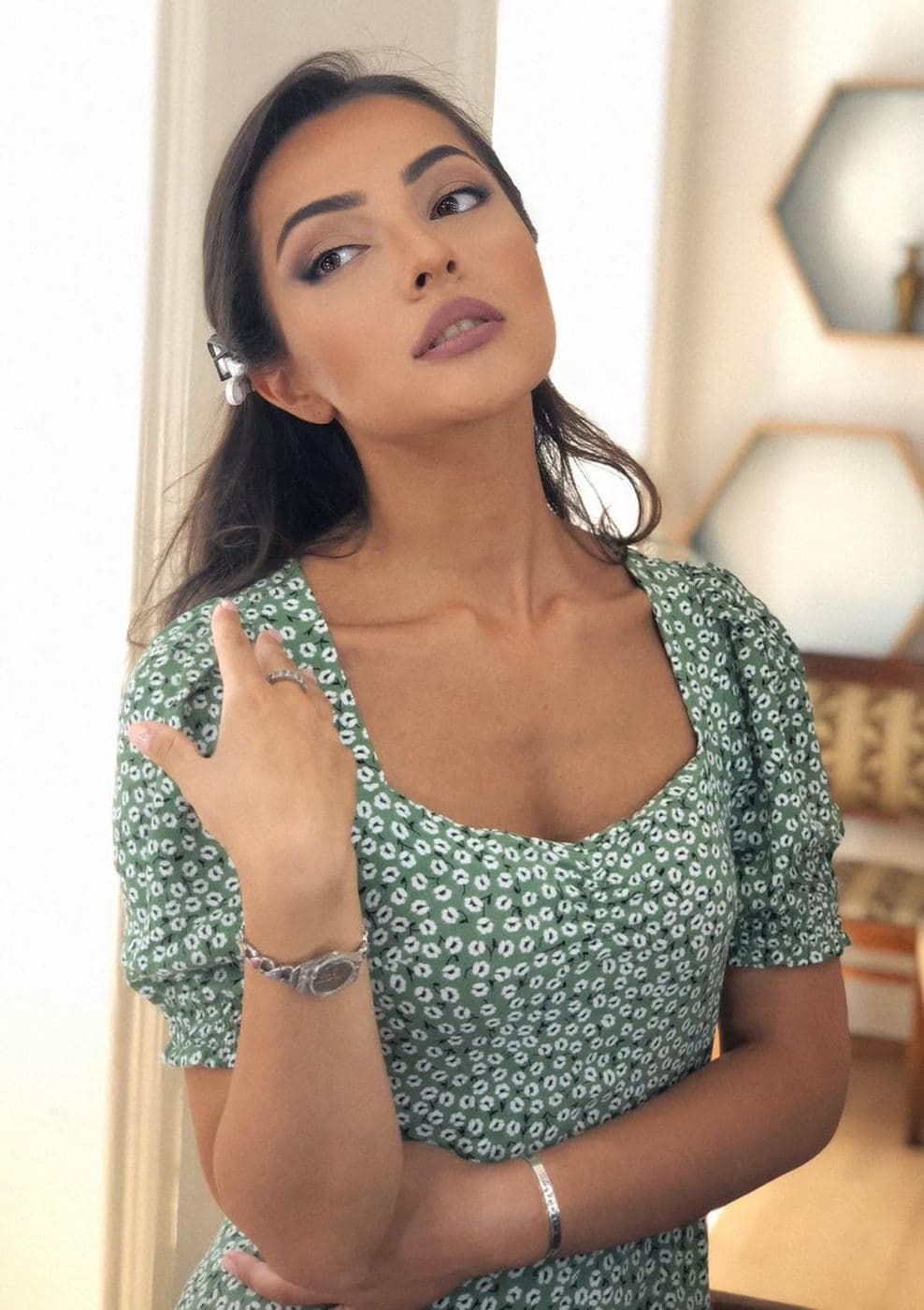


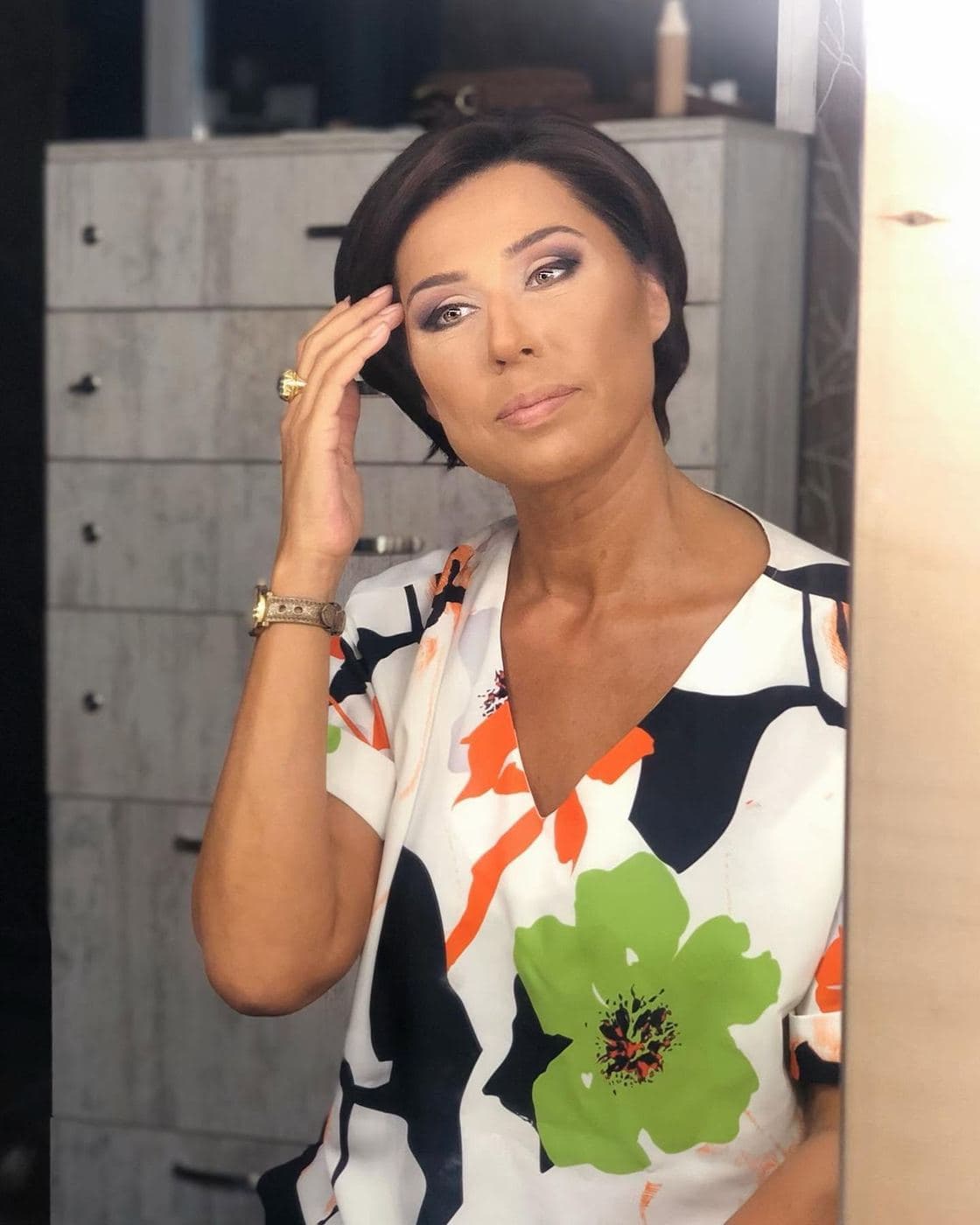
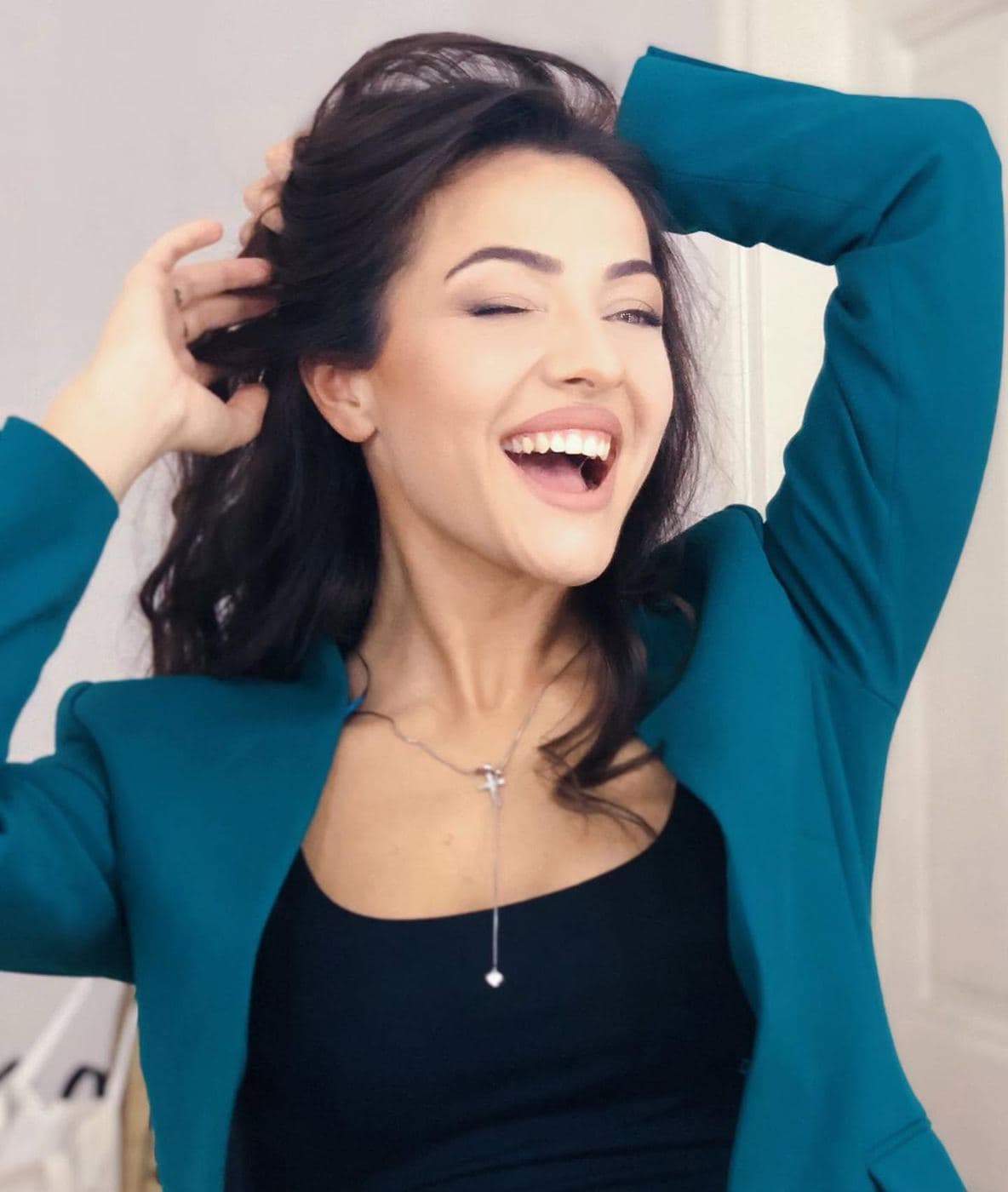
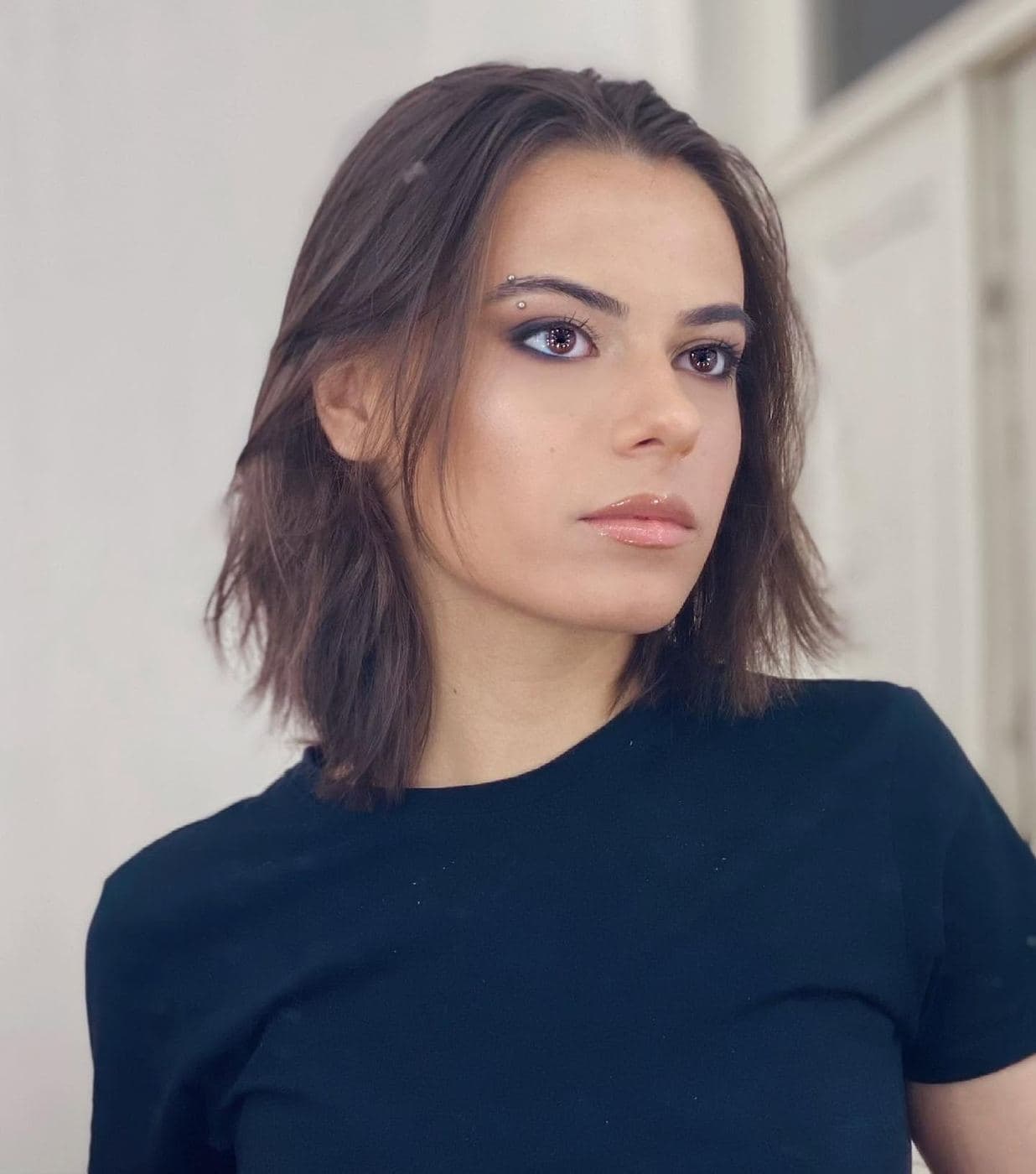
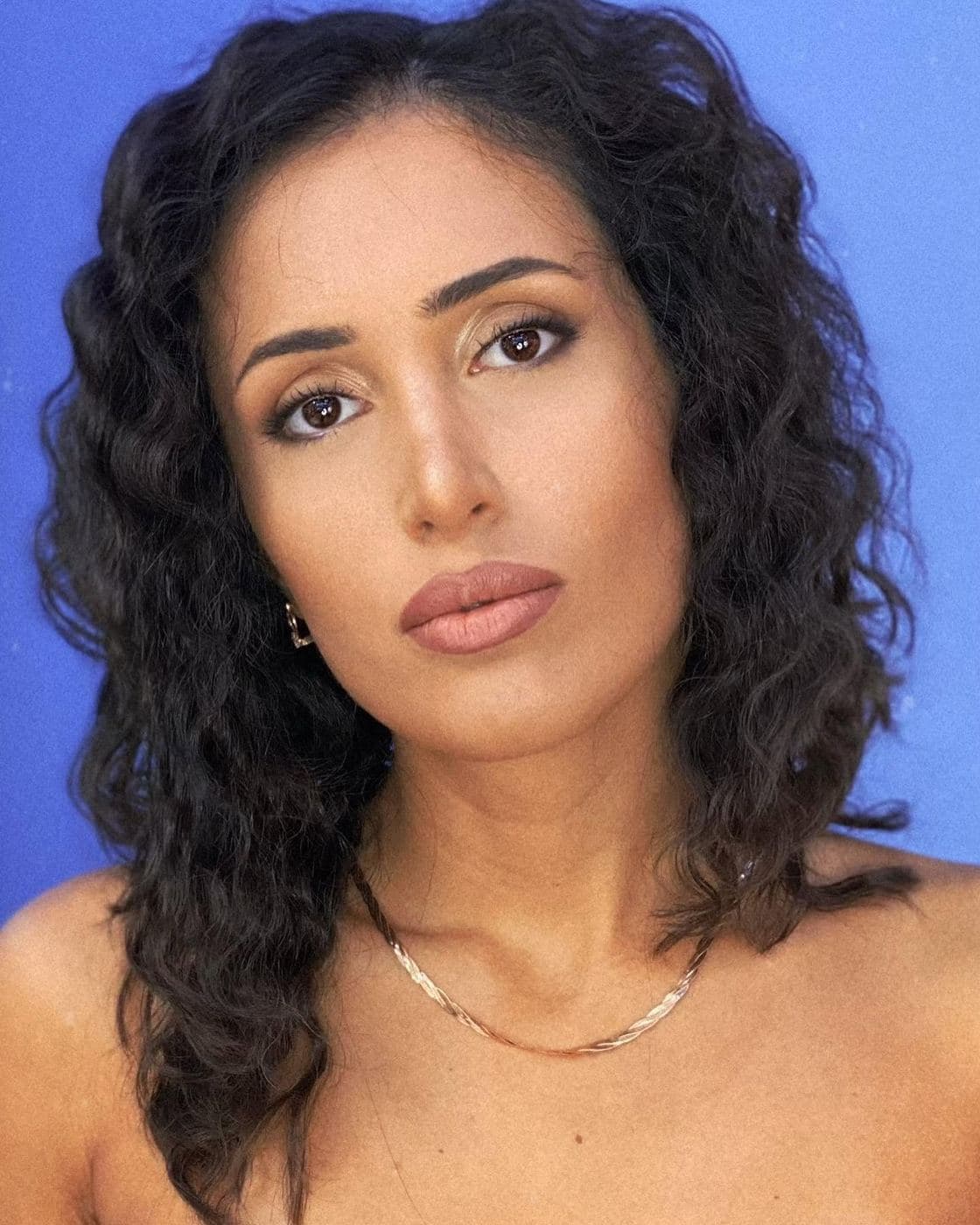
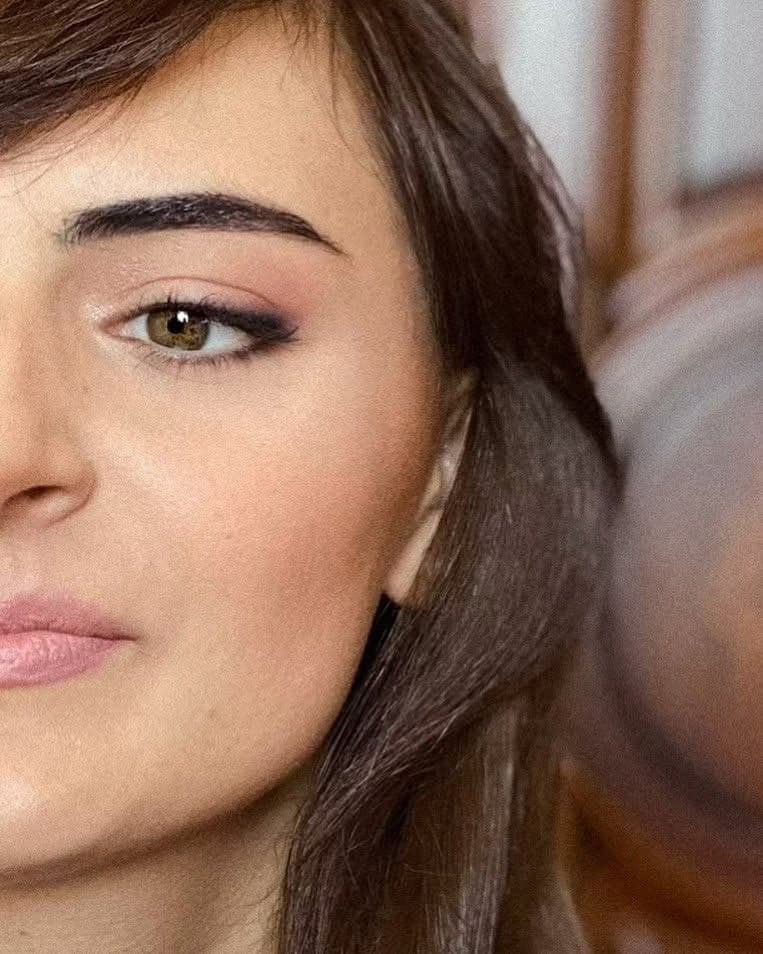
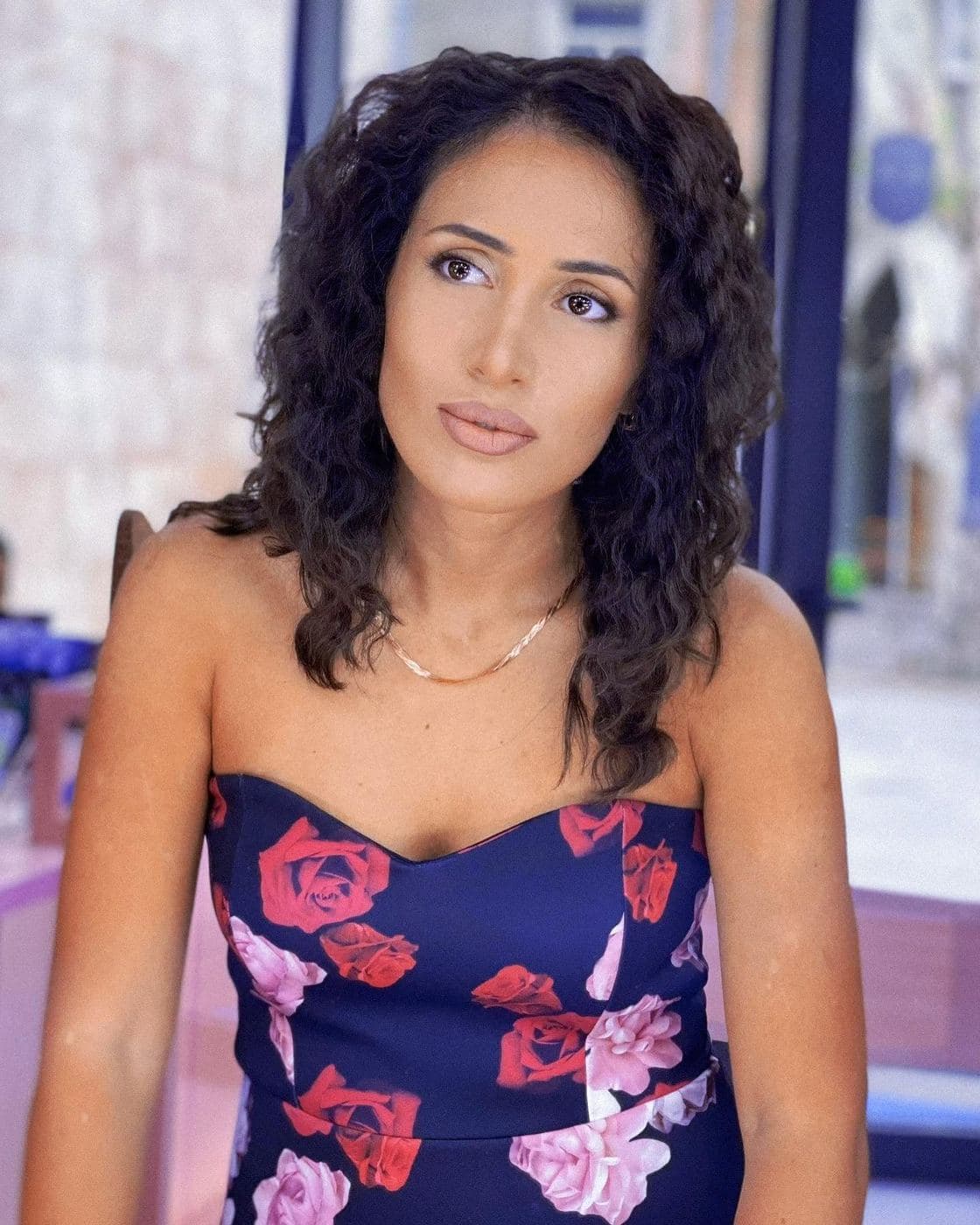
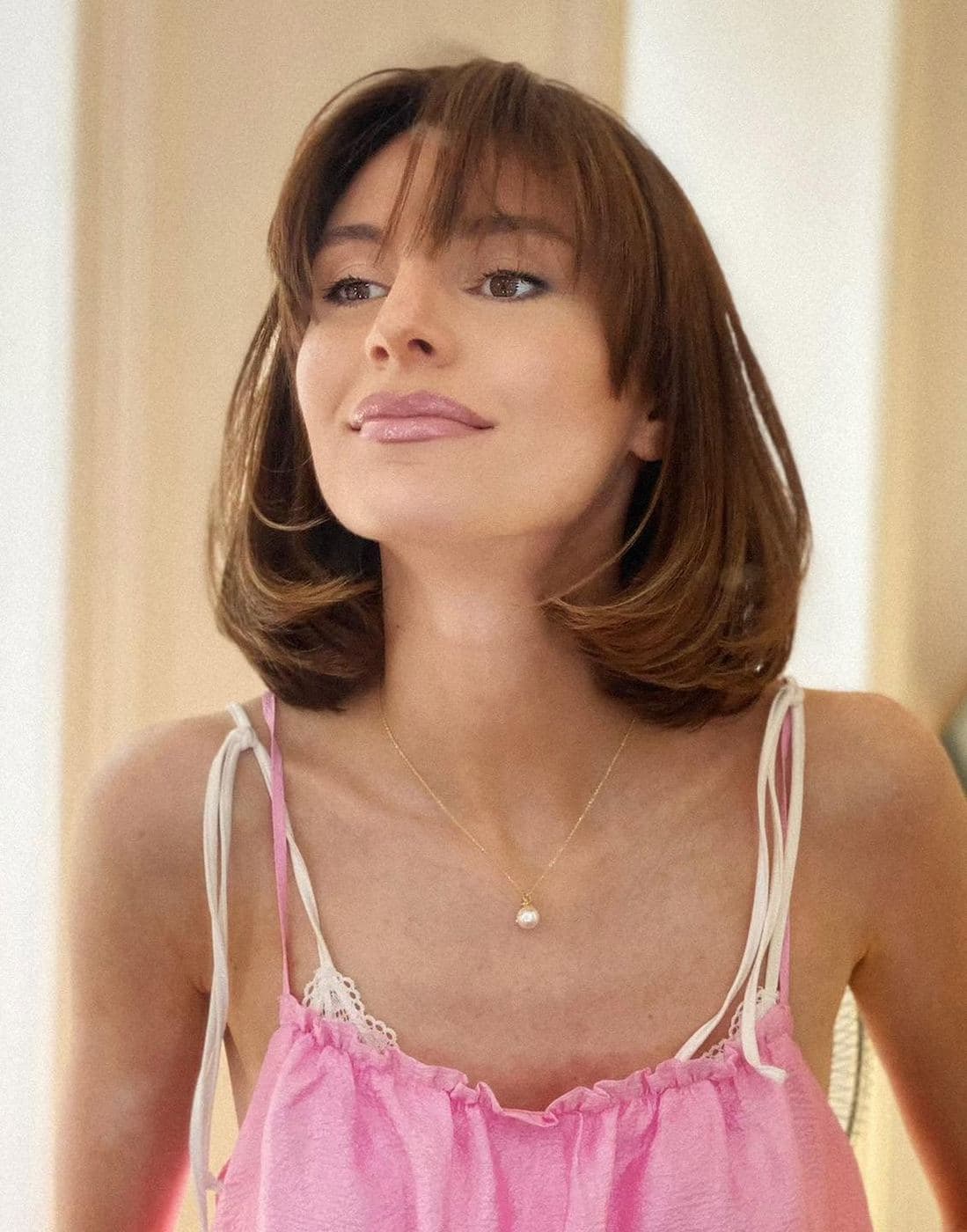
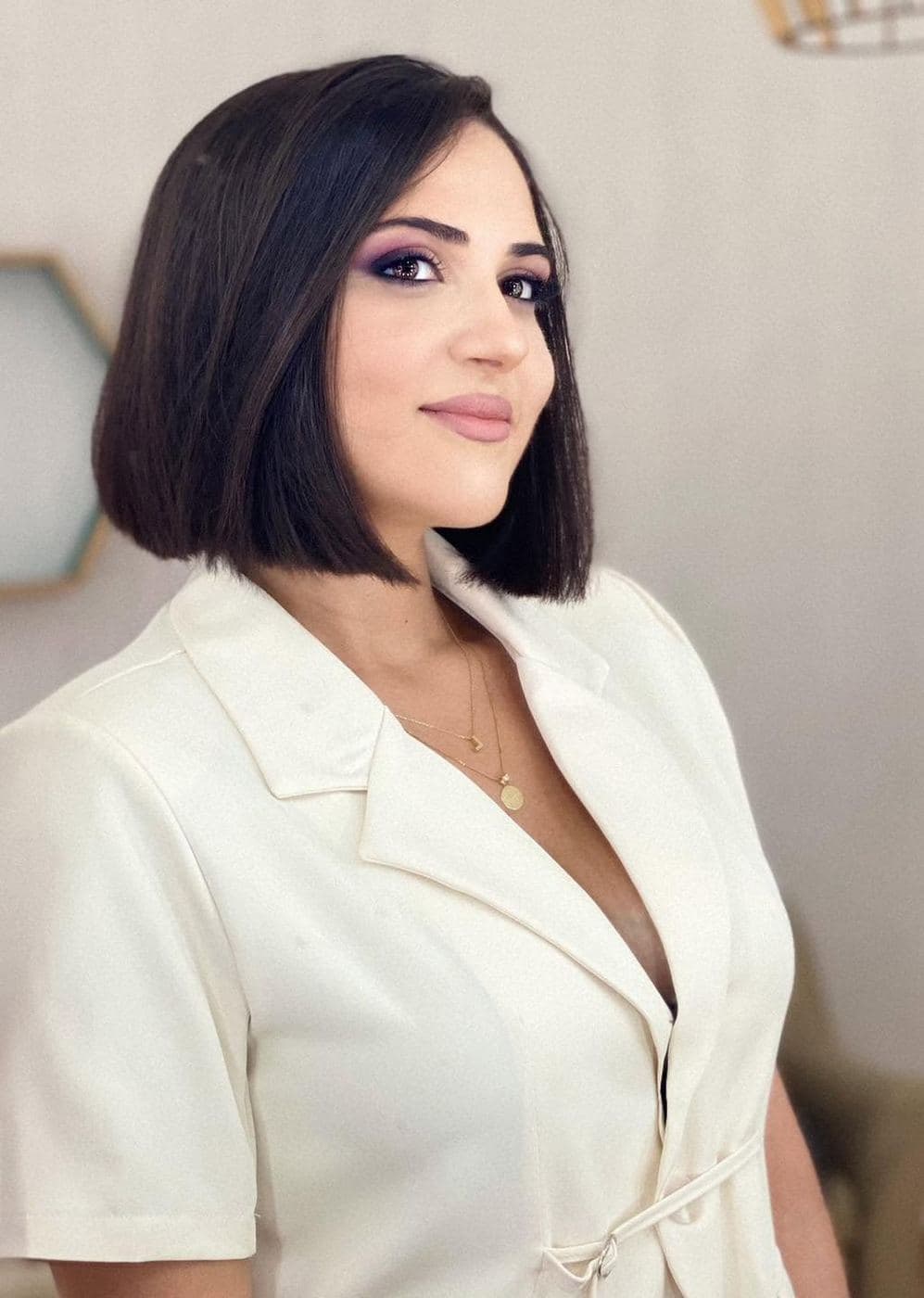


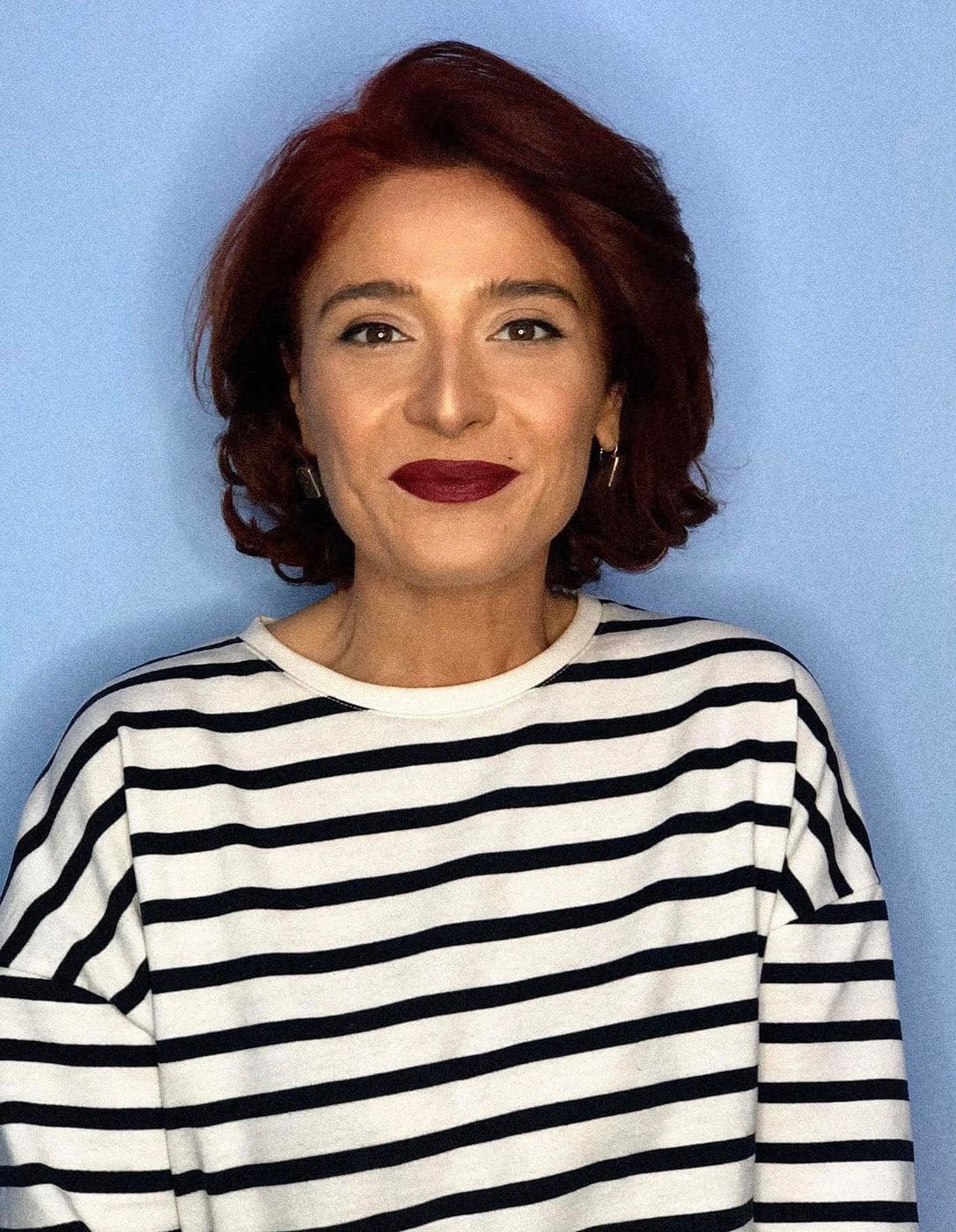
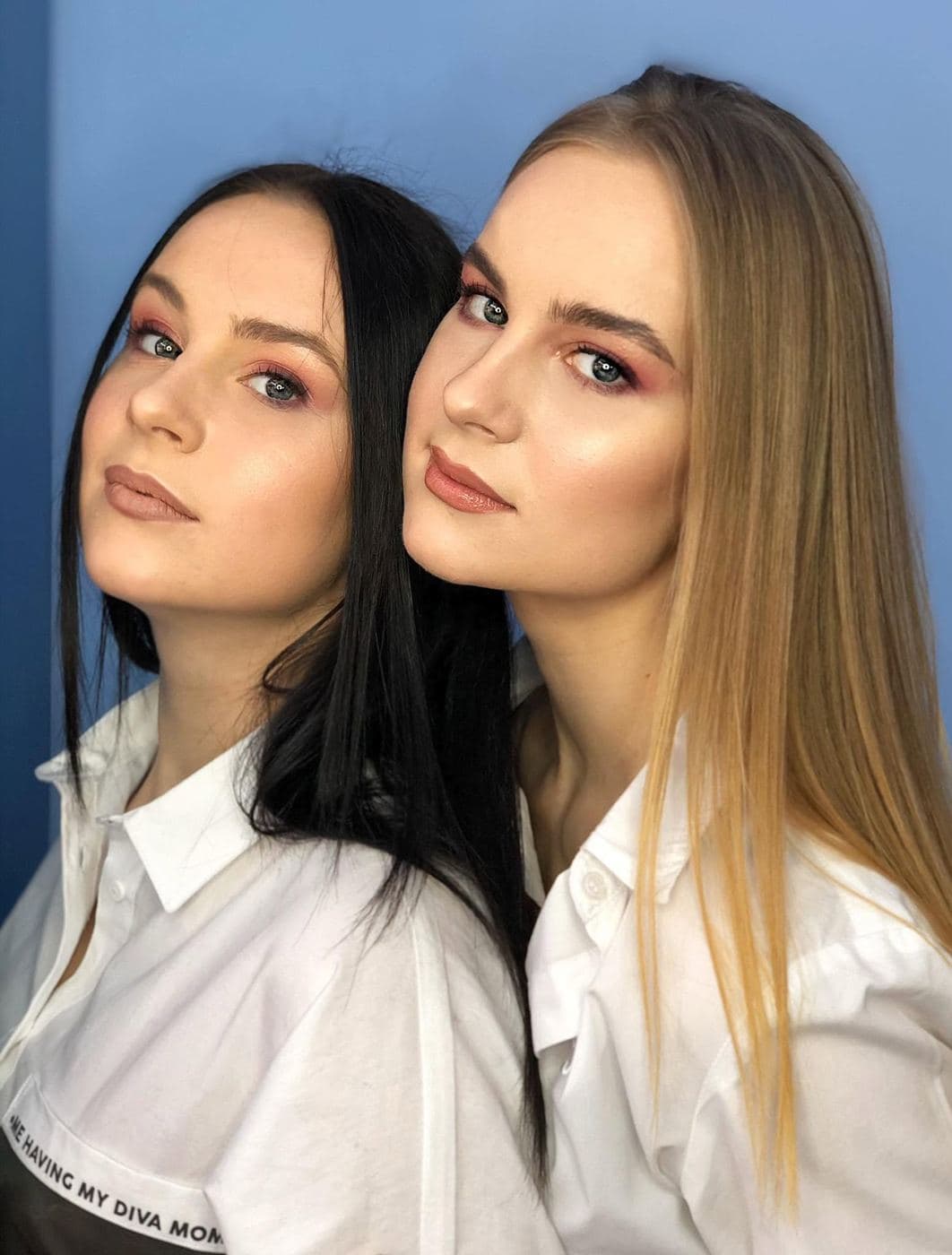
Graphic makeup
Colour and graphic liner, for shoots and for events.
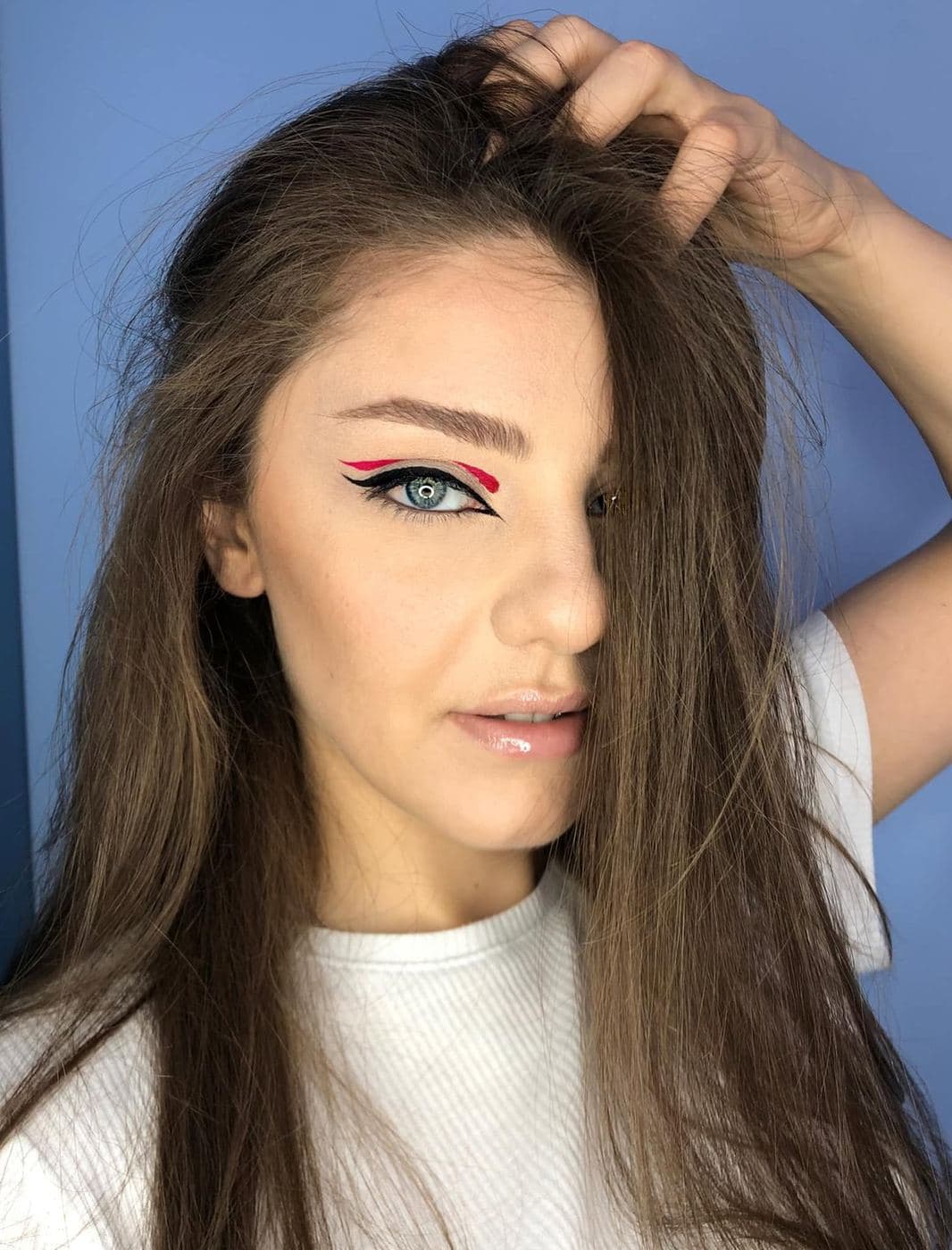
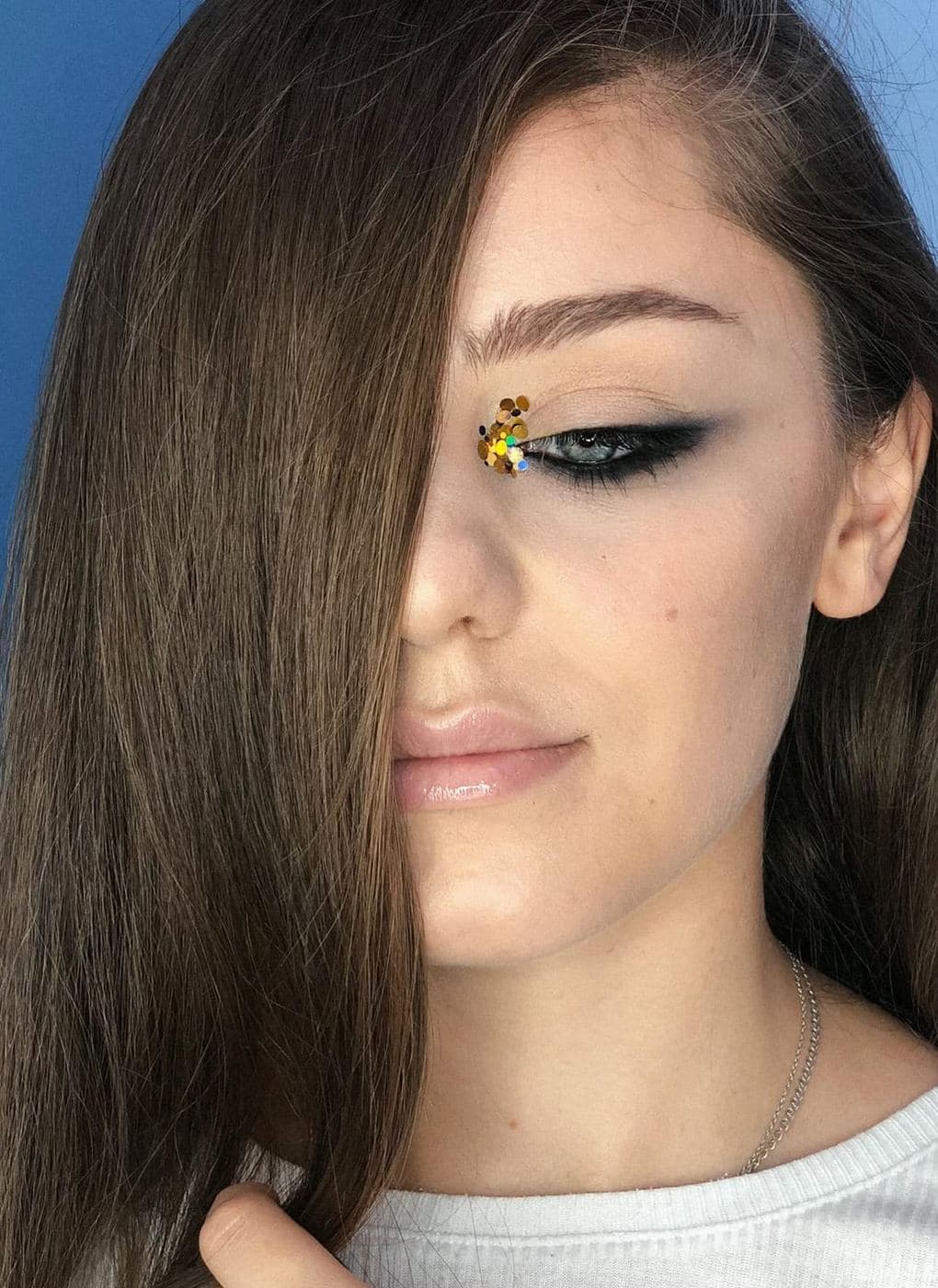
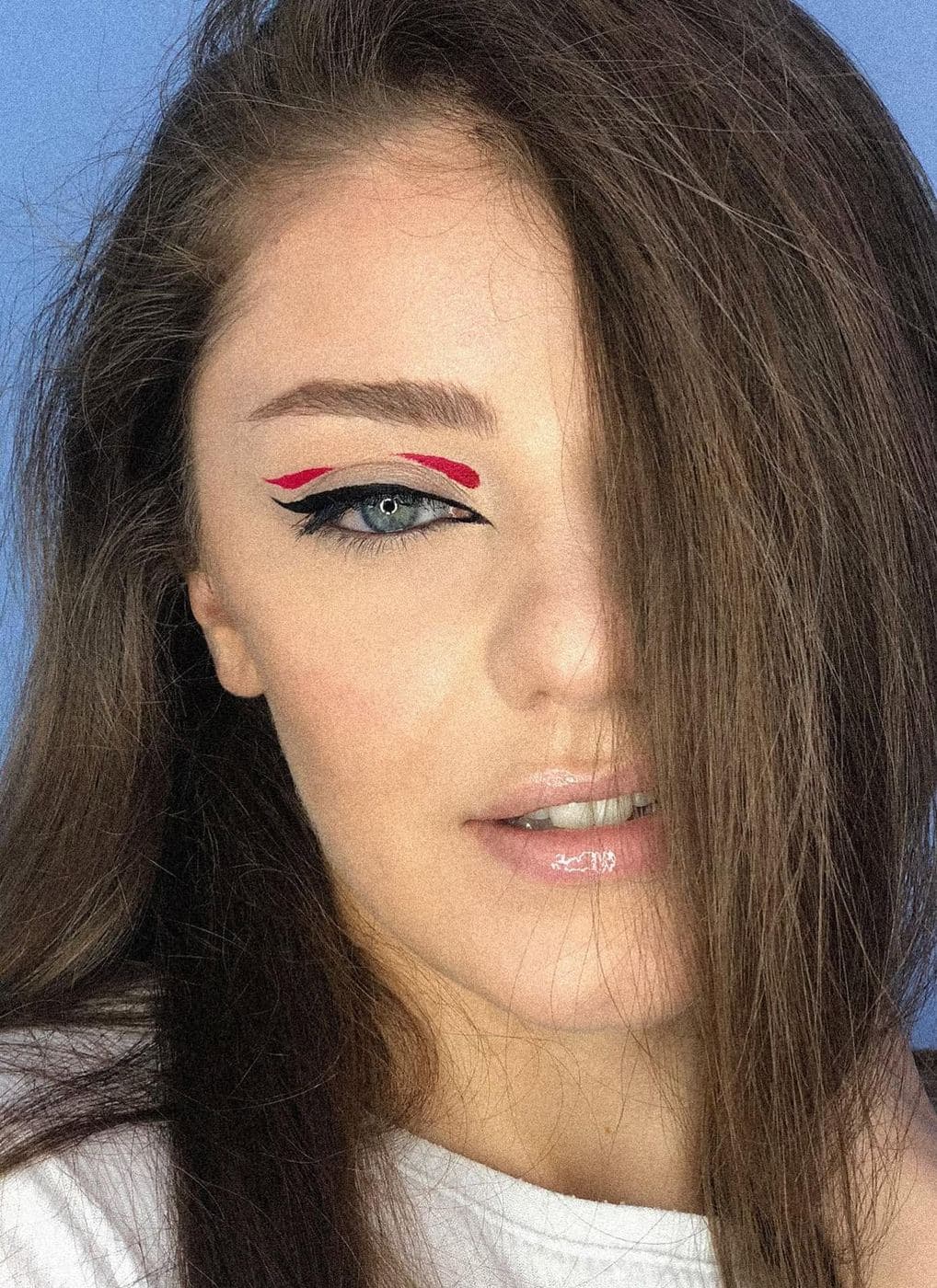
Behind the scenes
What the work actually looks like on location, from arrival to the last touch-up.
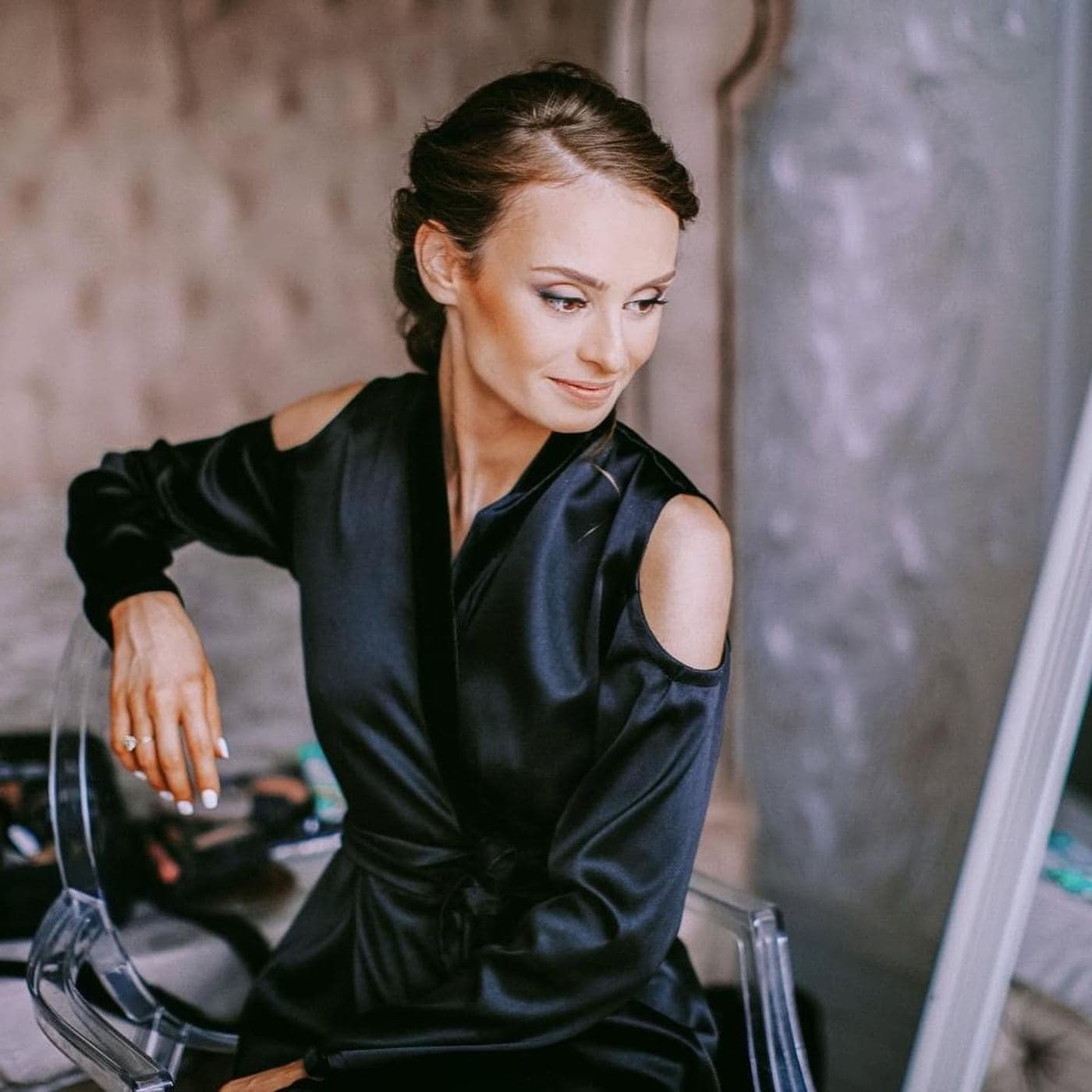
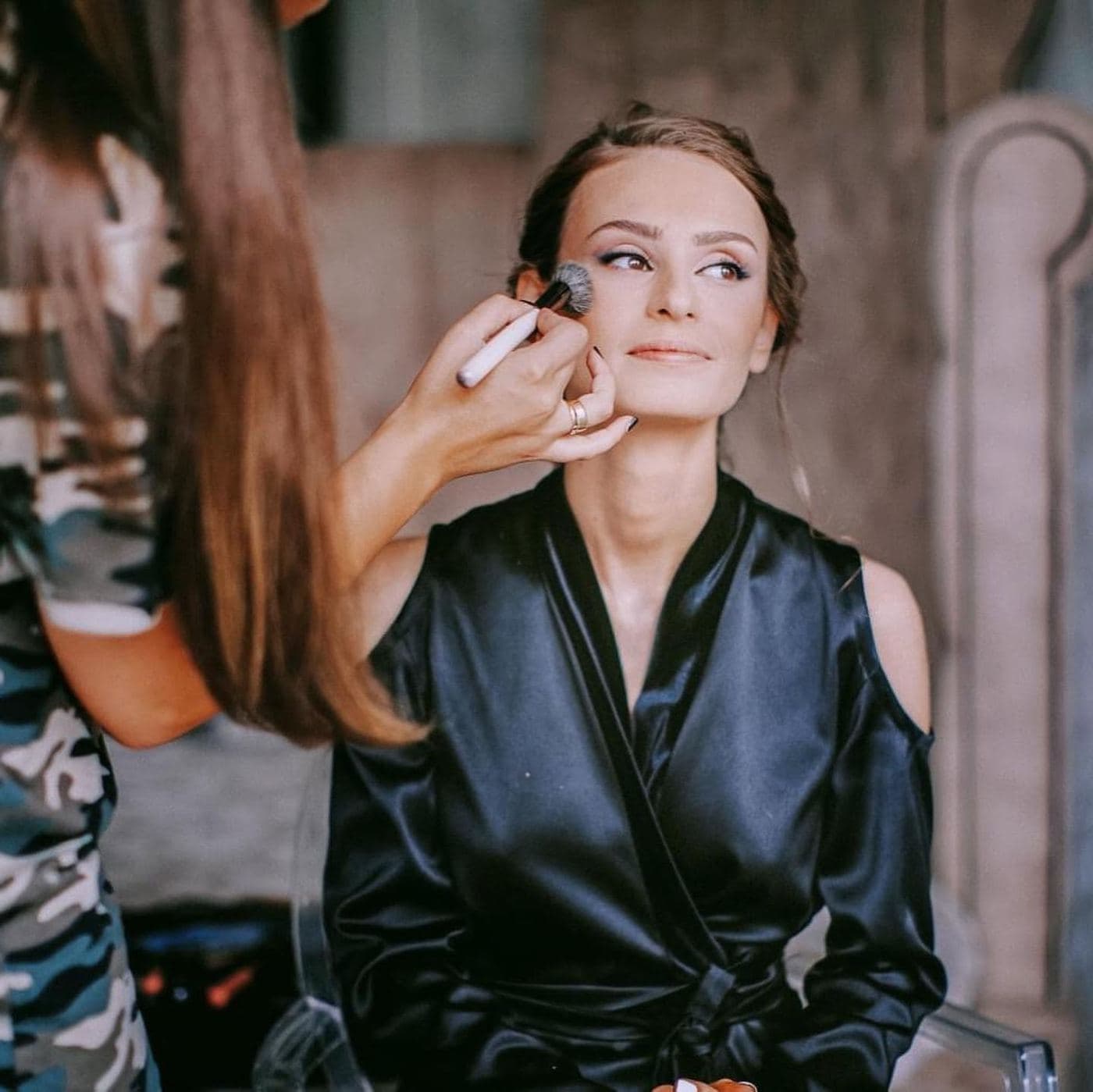
Every photograph here is MoodRoom's own work.
How to read makeup in a photograph
Reading a makeup photograph is a skill in itself, and most people do not have it — which is entirely reasonable, since nobody teaches it. Three things are worth looking at.
First, whether skin still has texture or is completely smooth. Completely smooth skin in a photograph is almost always retouching, and it never looks like that in a room. Second, where the base ends. A visible border along the jaw is the most common flaw and the easiest to spot once you know to look. Third, whether the same face is shown in two different lights or only in the one that flattered it.
What the categories are for
Each category solves a different problem, so comparing them against each other tells you nothing. Photoshoot makeup looks heavier in person than it should, and that is exactly right — it is built for a lens, not for a room.
- Bridal — endurance, and how a face reads across a full day of photographs
- Evening — artificial light, with the weight placed on either the eye or the lip
- Photoshoot — makeup built for the camera rather than for the eye
- Everyday — the minimum intervention that still reads in daylight
- Bridesmaids and family — several faces in one morning, in one register
What a photograph cannot show you
A photograph does not show how long the makeup lasted. That is the single thing clients worry about most, and the thing an image conveys worst.
It also does not show whether the appointment ran to time, whether the room was comfortable, or whether the artist listened. That is why a portfolio should not be your only source — read the reviews page as well, including the part explaining why it holds no invented quotes.
If your occasion is not shown
The selection reflects what gets photographed, not what gets booked. Christenings, corporate events and video work are booked regularly and photographed rarely.
Send us the occasion and we will describe what we would plan for your specific situation, which is more useful to you than looking at a stranger's face.
Frequently asked questions
- Can I ask for a specific look from a photo?
- Yes, and it is a good starting point for a conversation. With one caveat: the same makeup reads differently on a different face. It helps more to say what you like about the photo — the colour, the intensity, or the mood.
- Are the photographs retouched?
- Skin texture is never removed from makeup photographs. This is deliberate: once pores disappear, the photograph has stopped showing makeup and started showing editing.
- Will my photographs be published?
- Only with your consent. It is asked separately, and declining changes nothing about the price or the service you receive.
- Where can I see more work?
- On the Instagram profile, which is updated more often and more quickly. The site holds a selected set, organised by occasion so you can find your own case.